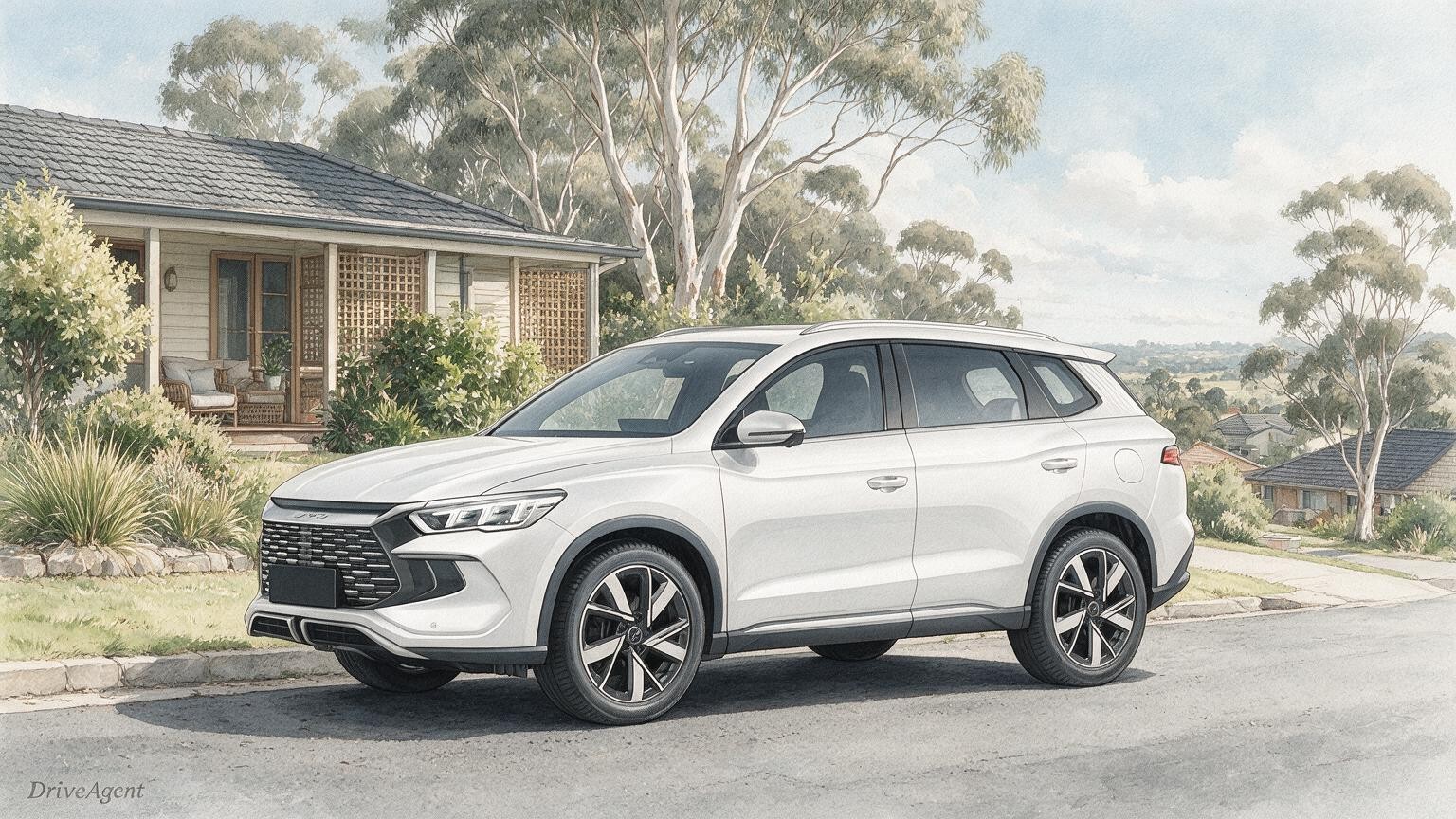
Flinders backs EV battery second-life pathway with industry partners
Flinders University says it is working with industry partners on a commercially viable pathway to repurpose end-of-life EV and plug-in hybrid batteries for stationary and remote uses, alongside related Australian research into battery second-life economics and diagnostics.
Automatically researched, written and checked using AI. Verify details against the sources.
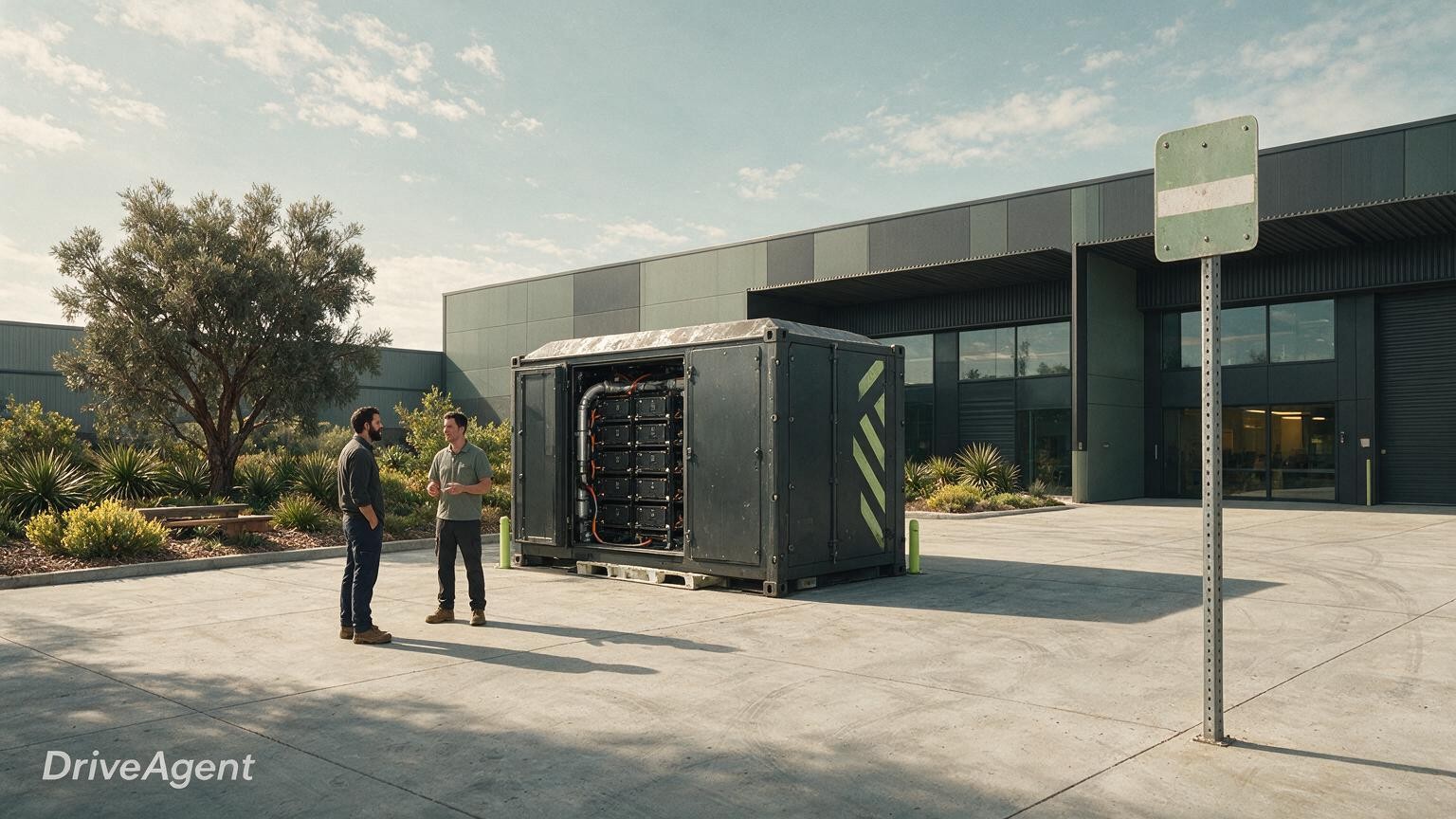
Flinders project puts second-life batteries in the frame
Flinders University says electric vehicle batteries that can no longer efficiently power cars could be given a second life supplying energy for homes, farms and remote communities. In a project based at the university, researchers are working with Mitsubishi Motors Australia Limited, ResourceCo and other industry partners to develop a commercially viable pathway for repurposing end-of-life electric and plug-in hybrid vehicle batteries. The Flinders material says the project is supported by a Green Industries SA grant. 2
Where the batteries could be used
According to Flinders, the repurposed batteries could be used for lighting, water pumping, energy storage and reducing reliance on diesel generators. The university says the work is intended to help create a practical pathway for batteries that are no longer efficient in vehicle use, rather than treating them only as waste at the end of first life. 2
Factory of the Future context
Flinders says the project is one of 21 industry collaborations being showcased at the $19 million Flinders Factory of the Future at the Tonsley Innovation District. The university describes the showcase as a demonstration of how the Factory of the Future helps industry partners test, develop and commercialise new technologies, and says the facility was built on the former Mitsubishi Motors Australia Limited assembly site. 2
Flinders also says the Factory of the Future is supported by $10 million from the Australian Government and $9 million from the South Australian Government, and that its expertise includes automation, artificial intelligence, additive manufacturing, digital twins, prototyping, testing and workforce development. Professor Karen Reynolds, director of the Factory of the Future and the Medical Device Partnering Program, said Australian manufacturers come with a challenge or opportunity and the experts work alongside them to develop a practical pathway forward. 2
Related research and commercial models
A separate iMOVE CRC project titled An afterlife ecosystem for electric vehicle batteries says Edith Cowan University completed research commissioned by Insurance Australia Group into second lives for EV batteries. That project examined how total-loss electric vehicles could achieve maximum economic value and sustainability potential, and explored supply-chain ecosystems, business models and the responsibilities involved in managing end-of-life batteries. 3
The iMOVE project says repurposing EV batteries appears more economically viable in the short term, based on limited financial information available, while recycling may become more viable in the long term. It also says the research identified circular business models such as extending, sharing and looping approaches, and proposed hybrid partnership models for insurance and salvage companies. 3
EnergyLab’s second Supercharge Australia Incubator cohort separately highlighted DYNOVY, which is building a hardware-enabled software platform for fast grading of used EV batteries to support reuse, second-life and recycling decisions. EnergyLab said the technology had demonstrated diagnostic windows up to ten times shorter than full-cycle reference tests, with state-of-health deviation under 5%, and that the cohort also included other battery value-chain startups spanning refining, cell components, onshore cells and packs, bidirectional charging and waste-heat recovery. 1
AI evidence finder
Ask about this article
Ask a question to find relevant published passages and source links. AI selects evidence; the passages remain exactly as published.
Behind this report
Sources & context
Cited source mix
3 cited pages across 3 websites
- Role not assessed 3
Website breakdown
- energylab.org.au1 page
- imoveaustralia.com1 page
- miragenews.com1 page
3 cited pages with an undocumented publisher role. Websites may share ownership or repeat the same reporting.
Saved research extracts
3 / 3 cited pages with saved extracts
0 shortened at our text limit · 0 without a saved-extract record
Extracts retrieved 24 Sept 2026.
Extracts can omit page content. These counts do not verify claims or measure independent reporting. Political leaning and reliability are not rated.
- Pitching Australia's battery future: the second Supercharge ...Role not assessedSource extract saved
Why these labels?Pitching Australia's battery future: the second Supercharge ...
Who produced it
We have not documented this publisher’s role. An unassigned label is not a negative rating.
How this report uses it
Cited in 1 paragraph: Related research and commercial models.
This describes its use in our report. It does not establish the source’s editorial stance or independently corroborate every claim.
Evidence record
Text retrieved 24 Sept 2026. The retained extract did not reach our text limit. Extraction can still omit page content.
- Flinders Future Factory: Reviving EV BatteriesRole not assessedSource extract saved
Why these labels?Flinders Future Factory: Reviving EV Batteries
Who produced it
We have not documented this publisher’s role. An unassigned label is not a negative rating.
How this report uses it
Cited in 4 paragraphs: Flinders project puts second-life batteries in the frame; Where the batteries could be used; Factory of the Future context.
This describes its use in our report. It does not establish the source’s editorial stance or independently corroborate every claim.
Evidence record
Text retrieved 24 Sept 2026. The retained extract did not reach our text limit. Extraction can still omit page content.
- An afterlife ecosystem for electric vehicle batteries - iMOVE CRCRole not assessedSource extract saved
Why these labels?An afterlife ecosystem for electric vehicle batteries - iMOVE CRC
Who produced it
We have not documented this publisher’s role. An unassigned label is not a negative rating.
How this report uses it
Cited in 2 paragraphs: Related research and commercial models.
This describes its use in our report. It does not establish the source’s editorial stance or independently corroborate every claim.
Evidence record
Text retrieved 24 Sept 2026. The retained extract did not reach our text limit. Extraction can still omit page content.
Keep reading
Related subjects and more from this section.
AVILOO’s used-EV battery study points to stronger-than-expected battery health
AVILOO’s 500,000-test study suggests used EV batteries are generally ageing better than expected, including in vehicles tested for Australian relevance.