Mazda Heritage: From Adversity Comes Strength
Discover how Mazda’s history is intrinsically linked with its hometown of Hiroshima, and the role the manufacturer played in rebuilding the city after World War II.
Manufacturer announcement. This is the manufacturer’s announcement. It is separate from DriveAgent’s original reporting. How we source stories
Discover how Mazda’s history is intrinsically linked with its hometown of Hiroshima, and the role the manufacturer played in rebuilding the city after World War II.
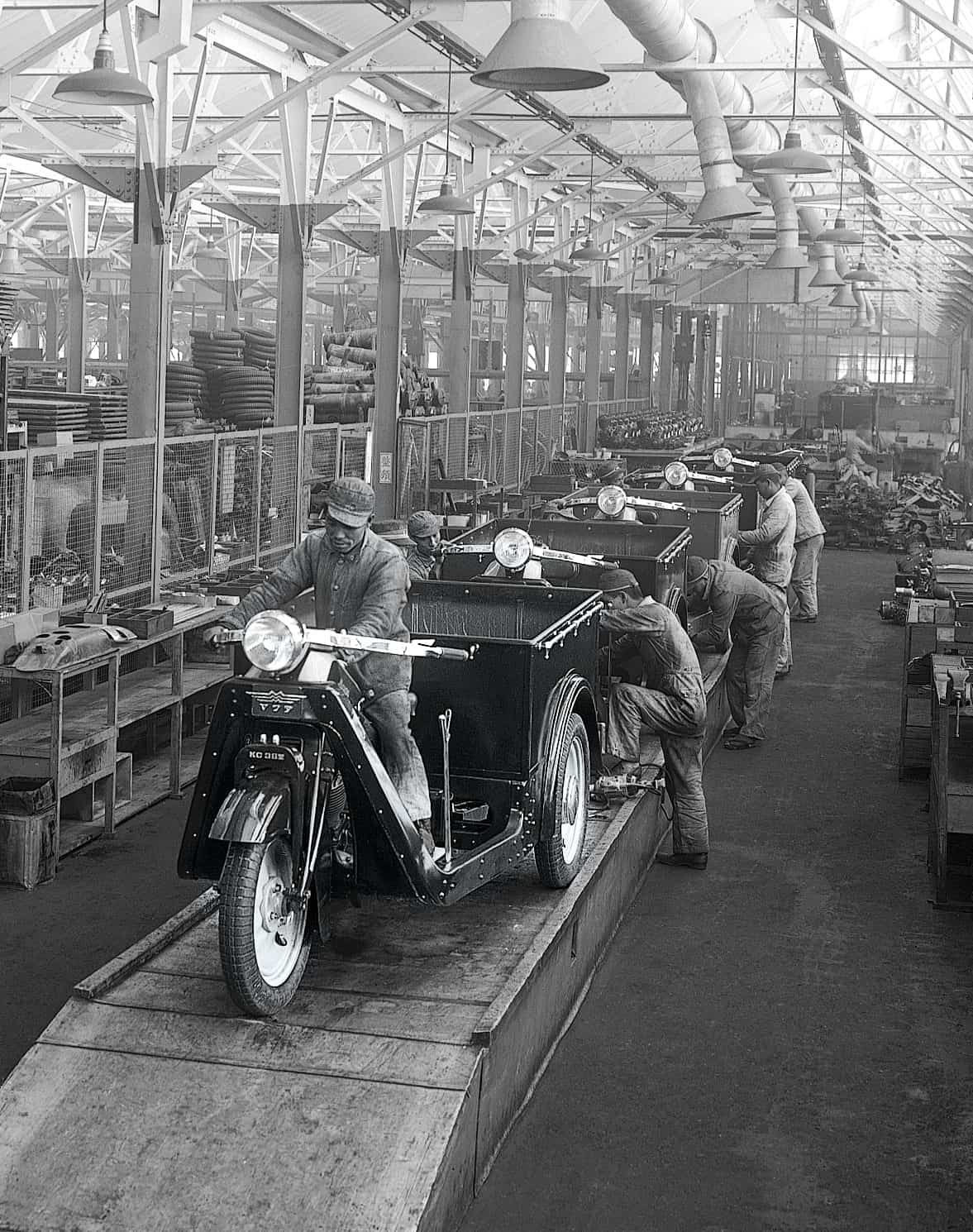
A unique steelmaking process called tatara was common there in ancient times, then in 1889 a military factory opened in Kure, just south-east of the city, which built ships for the Japanese navy. It was here that the future president of Mazda, Jujiro Matsuda, worked as an engineer at the age of 15. Born in a small fishing village close to Hiroshima, from an early age Matsuda had decided he was keen to try to bring wealth to the city. In 1920 he formed Toyo Cork Kogyo, a cork manufacturing business which would go on to make three-wheeled trucks and become what we now know as Mazda.
The defining moment in Hiroshima’s history, however, came on 6 August, 1945, when an atomic bomb was detonated over the city during World War II. The devastation was such that the consequences will never be forgotten: tens of thousands of people died instantly, and Hiroshima itself suffered unprecedented destruction. But through adversity comes strength, and in the weeks, months and years that followed, those who survived set about the daunting task of rebuilding their lives and the city they were still proud to call home. Matsuda was understandably keen to play his part as he felt a real sense of responsibility to his fellow citizens. By December that year he had restarted manufacturing three-wheeled trucks and had forged a plan to produce bicycles to aid with the reconstruction effort.
However, the bike proposal did not come to fruition as he decided to concentrate on manufacturing three-wheeled vehicles. As these were driven extensively in the rebuilding efforts, Matsuda grew increasingly inspired by the determination of the people using them. He realised he wanted to spend the rest of his days building vehicles that improved people’s lives. This desire was passed over to his son Tsuneji, who later led Mazda into the passenger car industry and went on to develop the rotary engine together with engineer and later president Kenichi Yamamoto. The remarkable spirit of the city of Hiroshima had won through to help define the essence of the car maker honoured to call it home.
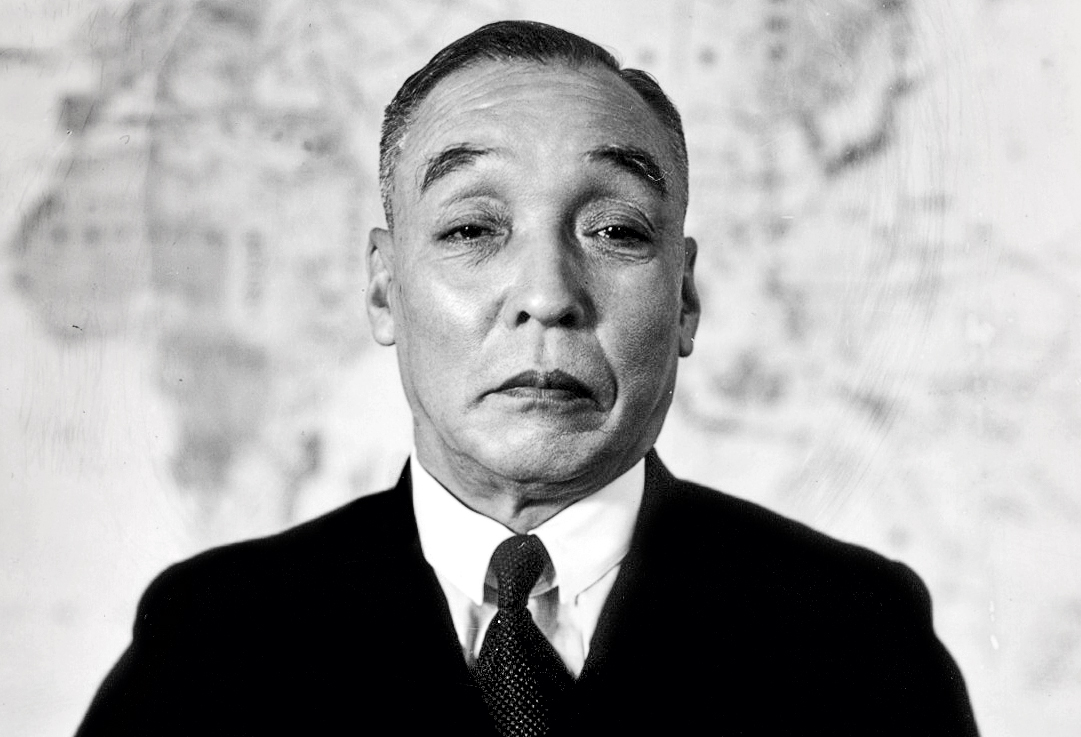
Jujiro Matsuda was inspired by efforts to rebuild Hiroshima after WWII’s devastation
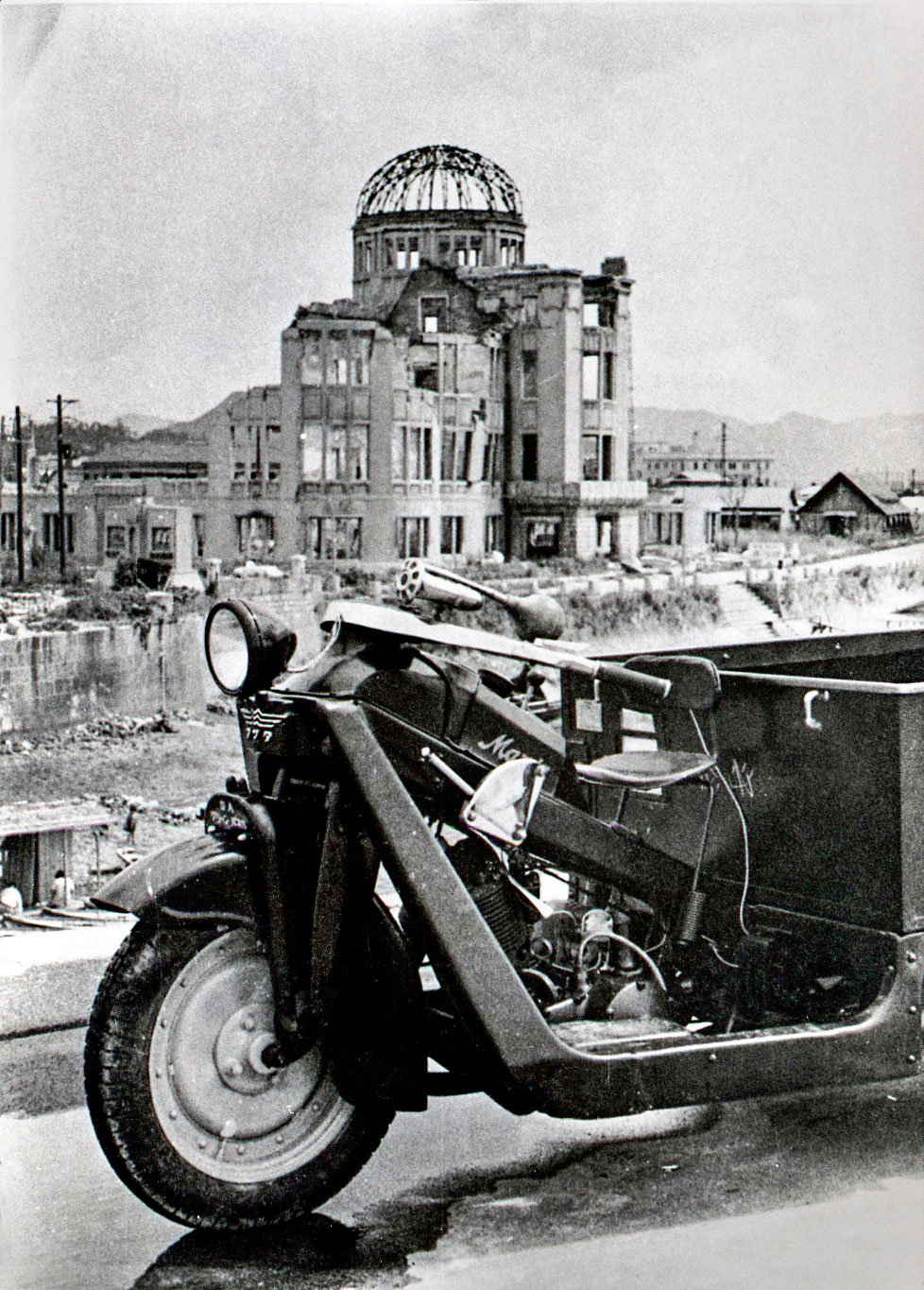 The Mazda Type-GA outside the skeleton of what is now called the A-Bomb Dome
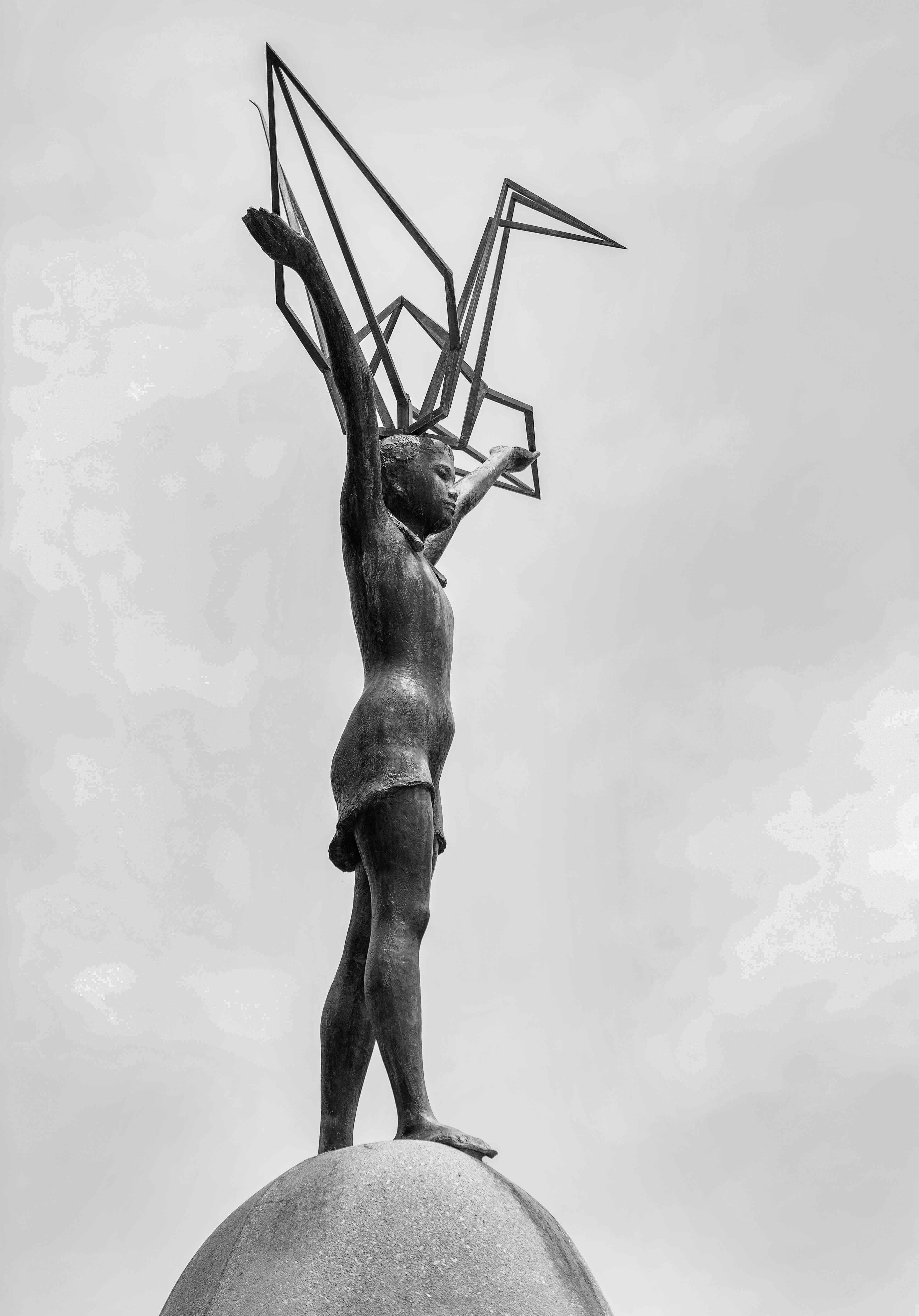 A statue at the Children’s Peace Monument
Categories: Zoom-Zoom
A statue at the Children’s Peace Monument
Categories: Zoom-ZoomMore Articles
29/03/2023
Zoom-Zoom A culinary journey to Japan with Ben ShewryRead more
10/02/2023
Zoom-ZoomMAZDA MX-30 MULTI-TONE PAINTING PROCESS - ENVIRONMENTALLY AND PEOPLE-FRIENDLYRead more
23/12/2022
NewsFirst and Best: AWARD WINNING MAZDA3 G20 PURE NAMED THE GO-TO CHOICE FOR NEW DRIVERSRead more
05/12/2022
NewsBEN SHEWRY BECOMES OUR LATEST NATIONAL AMBASSADORRead more
15/05/2019
Zoom-ZoomMazda sponsors Roos AFLW squadRead more
10/05/2019
Zoom-ZoomOwners’ Mazdas from across the worldRead more
29/04/2019
Zoom-ZoomMeet one of Australia’s most active drivers’ clubsRead more29/04/2019
Zoom-ZoomThe Next-Gen Mazda3 on the Pacific Coast HighwayRead more
21/04/2019
Zoom-ZoomCALL OF THE WILD ON THE GIBB RIVER ROADRead more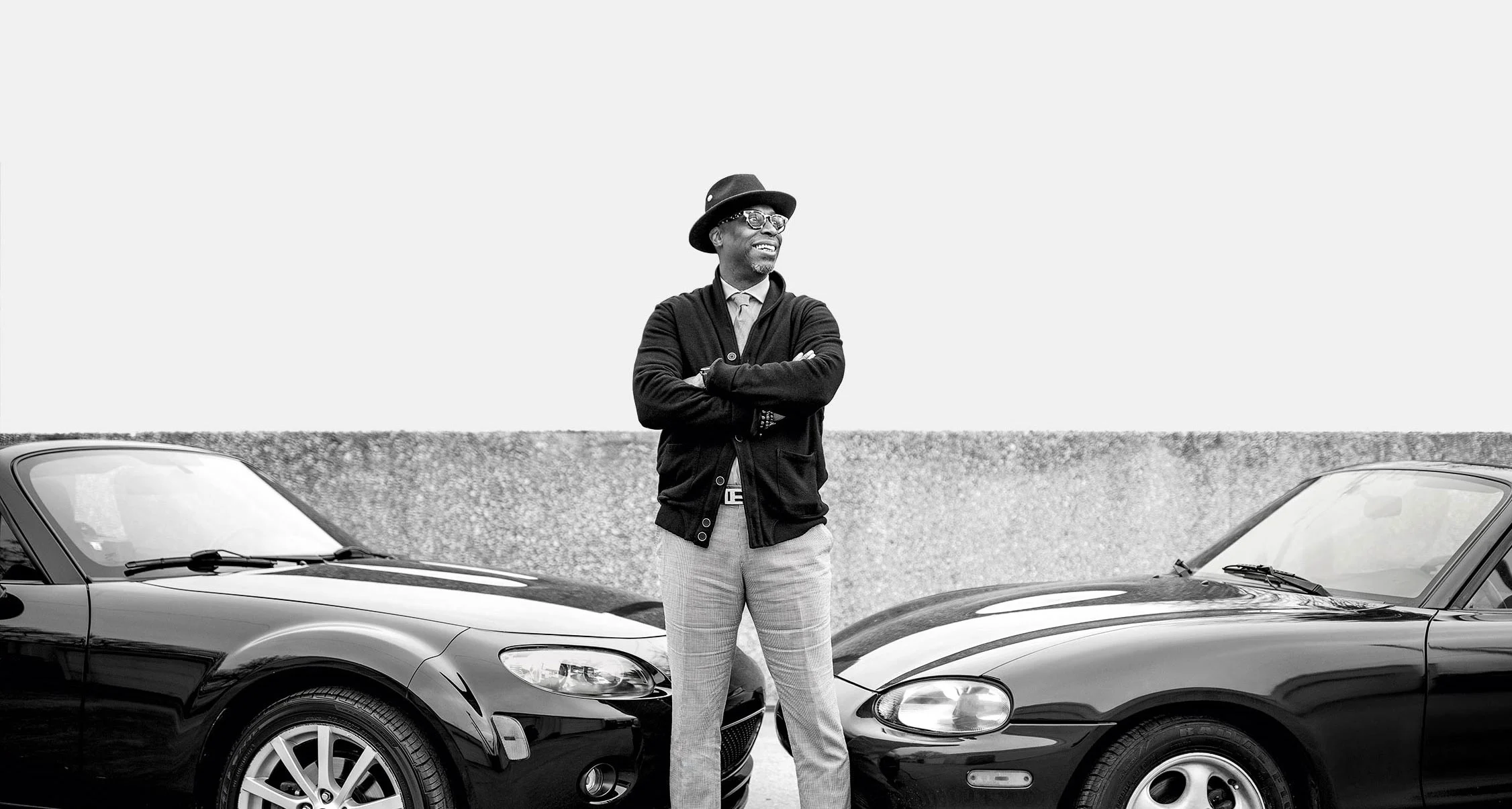
21/04/2019
Zoom-ZoomMX-5 owners explain why the car remains the world’s favouriteRead more21/04/2019
Zoom-ZoomDiscover the Mazda CX-30Read more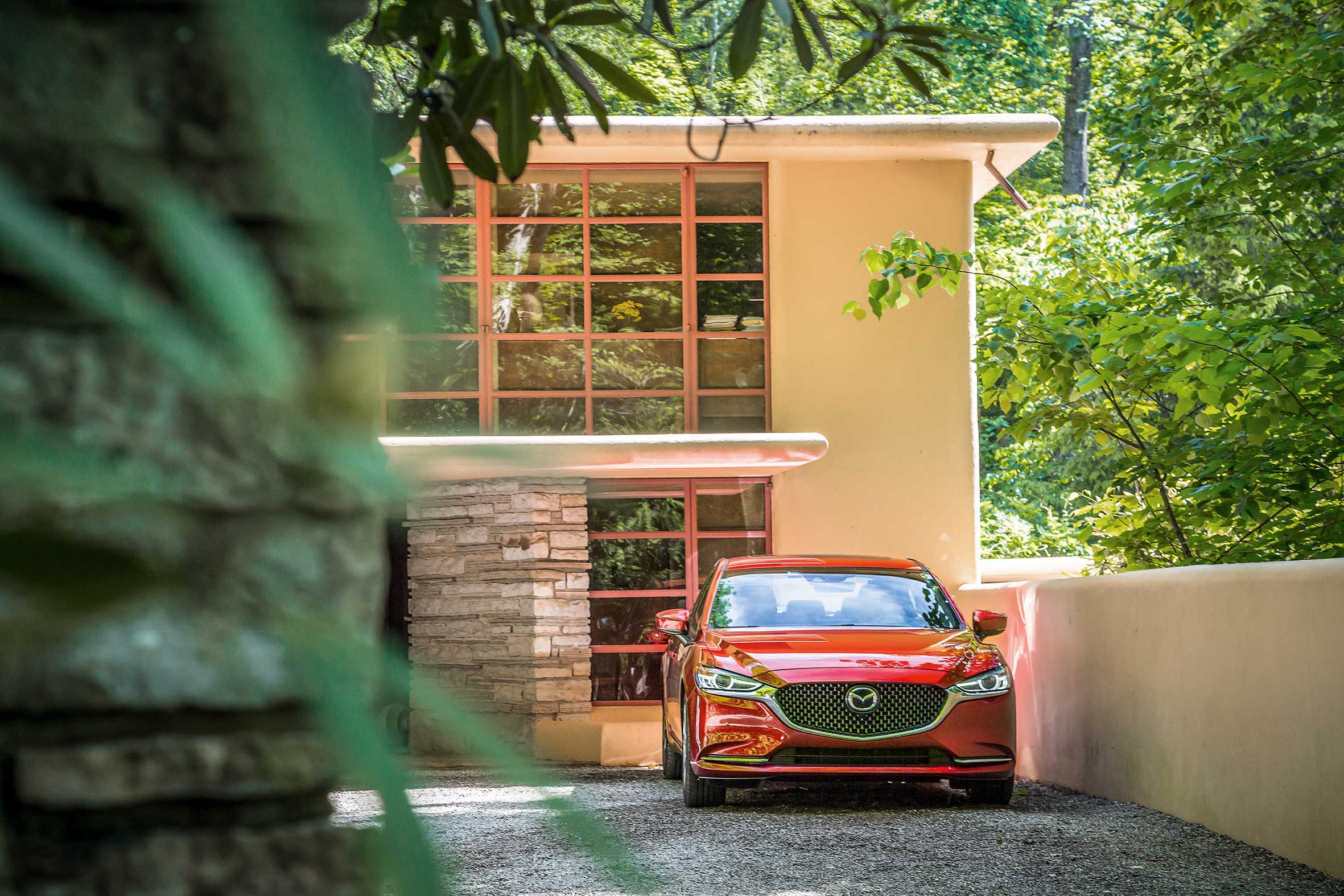
30/11/2018
Zoom-ZoomMazda6 road trip to see Fallingwater, Frank Lloyd Wright’s architectural masterpieceRead moreMore Mazda announcements
View all →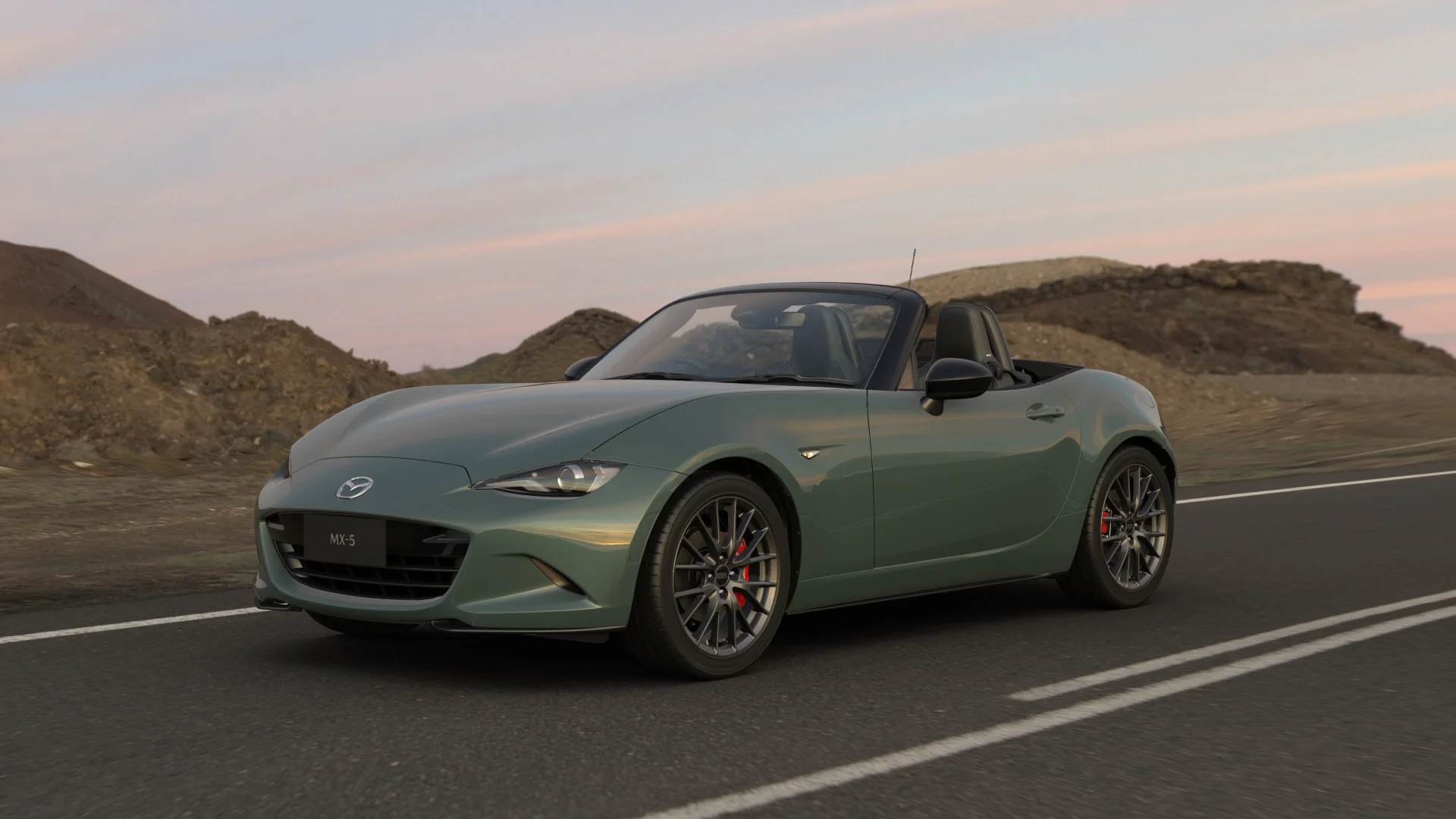
Mazda · Manufacturer news
2026 Mazda MX-5 Update | Mazda Australia
The 2026 Mazda MX-5 arrives with new Zinc Green Metallic paint, standard RECARO seats on the GT RS, and upgraded AEB. Available to order now.
Mazda · Manufacturer news
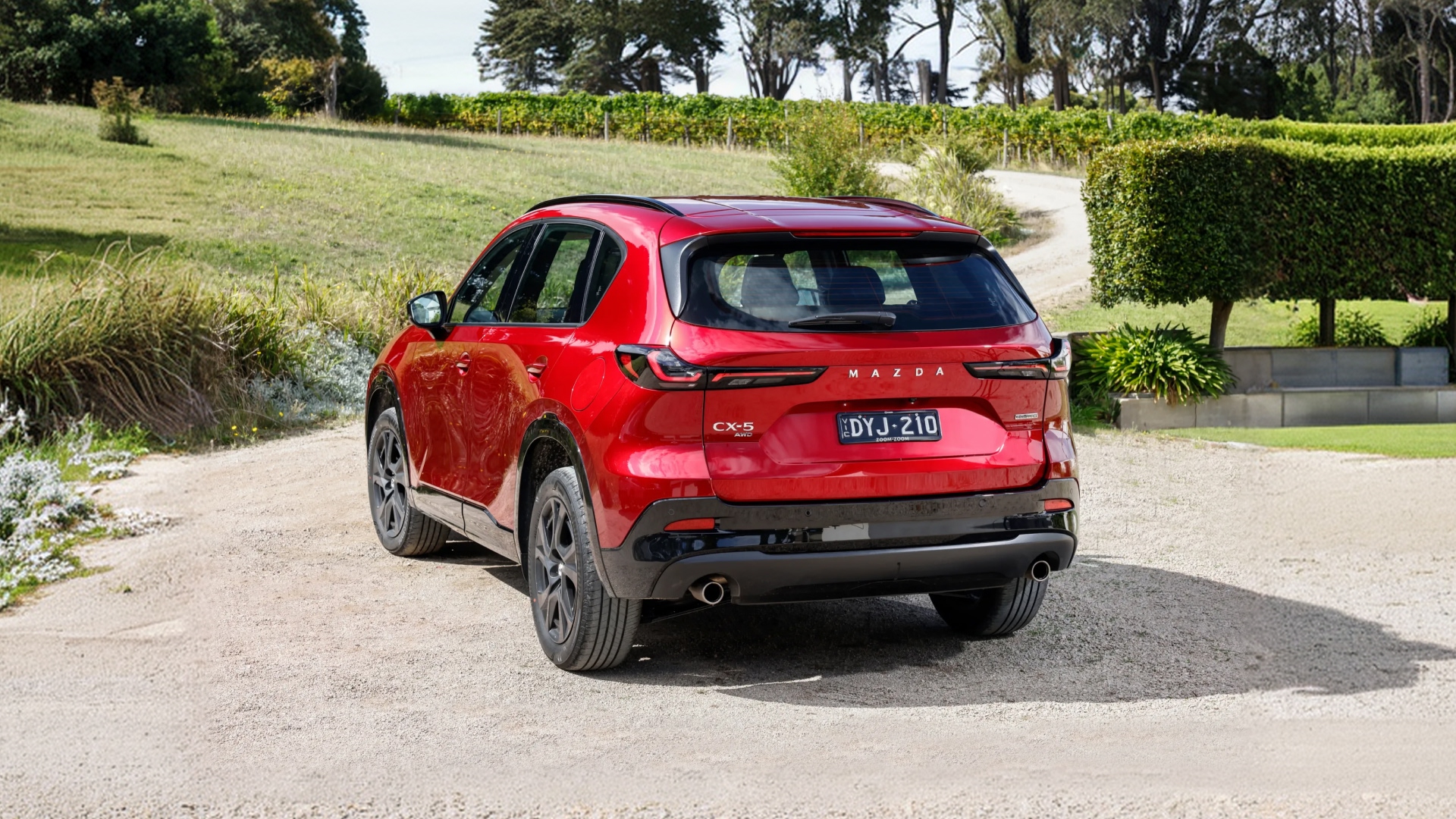
New Mazda CX-5 Space & Practicality | Tech Drive
How much can the next-generation Mazda CX-5 really carry? Explore the space, comfort and clever practicality behind Australia's favourite SUV.
Mazda · Manufacturer news
Mazda 6e HMI: Shortcuts & Voice Control | Tech Drive
Make the Mazda 6e your own. See how to program the steering wheel shortcut buttons and use 'Hi Mazda' voice control to reach your favourite functions.