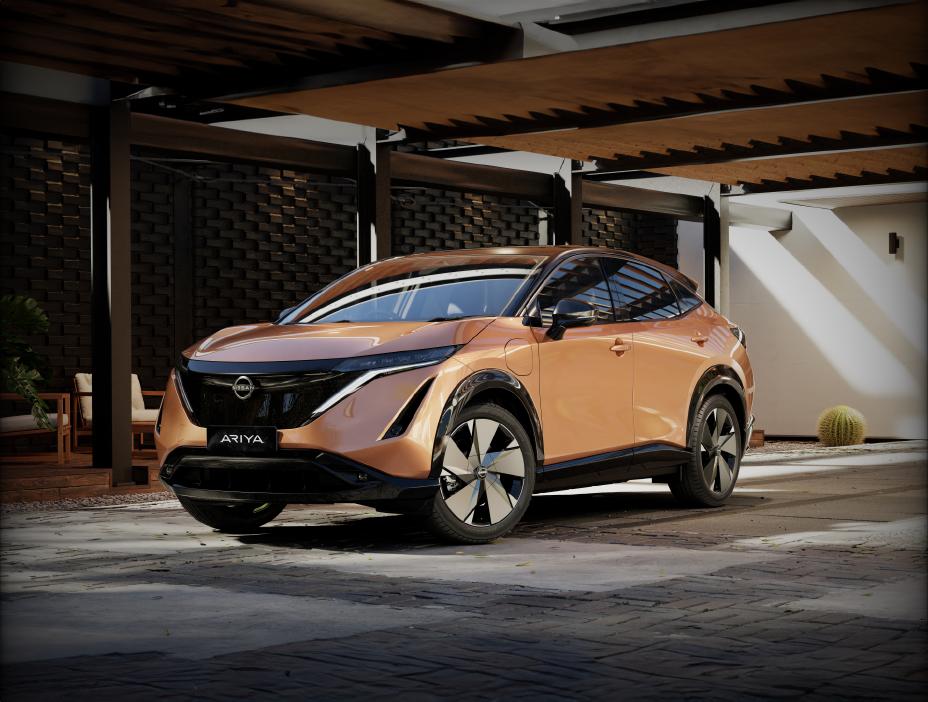
DriveAgent research synthesis, not a first-hand road test. Driving impressions are attributed to their original reviewers; manufacturer claims and overseas observations are identified separately.
The Australian grade in context
Advance+ combines an 87 kWh usable battery with a 178 kW front-wheel-drive powertrain. Nissan declares 504 km of combined WLTP range. That makes range and charging arrangements useful starting points for assessing this grade; the laboratory figure is not a promise for an individual journey.
Nissan’s Australian model page highlights a head-up display, panoramic roof and ventilated front seats for Advance+. These are manufacturer equipment descriptions, rather than independent findings about comfort or usability.
RACV’s Terry Martin describes a quiet, comfortable Advance+ and capable front-wheel-drive handling. Shana Zlotin at carsales also praises light steering and highway refinement. DriveAgent’s reading is that comfort deserves attention during a test drive; these are the named reviewers’ observations, not findings from our own drive.
Zlotin raises concerns about the haptic climate controls and available headroom. When inspecting the car, try the controls and seating position for yourself. A comfortable ride and an easy-to-use cabin are separate considerations.
Nissan’s specification sheet lists 130 kW peak DC charging and approximately 40 minutes for 10–80% at a suitable 130 kW charger. Advance+ has 7.4 kW single-phase AC charging as standard, with 22 kW three-phase hardware optional. Confirm the individual car’s charger and your installation before using the higher figure in a charging plan.
The five-star ANCAP rating shown here has a 2022 rating year. Its Australian applicability starts with vehicles built from July 2025, and the recorded expiry is December 2028. Check the individual vehicle’s build date against that scope. The separate category percentages are not a DriveAgent score.
Top Gear’s overseas assessment distinguishes a composed response to undulations from discomfort over sharper road damage. Car and Driver praises the cabin and ride but is less enthusiastic about the driving experience. Their market specifications and tested grades differ or are unspecified; use these opinions as context, not Australian equipment evidence.
Advance+ is worth assessing through the combination of its declared range and the local reviewers’ comfort observations. Check seating and control usability as carefully as charging compatibility. This guide supports a shortlist and test-drive questions; it does not replace a drive or a current written quote.
Ratings and findings belong to the publisher shown. Summaries preserve individual observations, including disagreement; they are not DriveAgent road-test impressions. Different scoring methods and test types are not directly interchangeable.
AU · en
RACV
No rating displayed
DriveAgent summaries of RACV’s review
Comfort and refinement · strength
Terry Martin’s RACV assessment characterises the Advance+ as quiet and comfortable.
Summary checked 5 Oct 2026
Driving and performance · observation
RACV regards the Advance+’s front-wheel-drive handling as capable.
Different markets, different opinions on the same model and generation. Each review identifies the vehicle tested and known differences. These findings do not establish Australian specifications, pricing or ANCAP results and are not included in the Australian review count.
GB · en
Top Gear
Overseas opinion
Tested vehicle · GB
Model year not specified nissan ariya Grade not specified · First generation (FE0) · BEV · Drivetrain not specified
UK range review covering multiple powertrains. The finding concerns the standard Ariya, excluding the separate Nismo assessment. Tested grade and model year are not established; do not transfer UK equipment, towing or pricing to the Australian Advance+.
DriveAgent summaries of Top Gear’s review
Comfort and refinement · observation
Top Gear finds the Ariya handles undulating surfaces well but reacts less comfortably to sharp ridges and potholes.
2025 nissan ariya Grade not specified · First generation (FE0) · BEV · Drivetrain not specified
US 2025 model overview includes multiple trims and earlier tests. A single tested grade, test date and underlying test are unresolved. The URL’s 2019 original timestamp does not establish the date of this 2025-model assessment. US equipment, EPA range and pricing do not establish Australian specifications.
DriveAgent summaries of Car and Driver’s review
Comfort and refinement · observation
Car and Driver praises cabin presentation and ride comfort, while finding the driving experience less appealing.
Australian FE0 variants built from July 2025; ANCAP rating year 2022, expires December 2028. January 2024 build applicability in the web summary relates to New Zealand.
Official build coverage starts
July 2025
Official build coverage ends
Ongoing, within rating validity
Rating validity for new builds
Through December 2028
Adult occupant protection
86%
Child occupant protection
89%
Vulnerable road users
74%
Safety assist
95%
Ratings use the criteria of their rating year. Stars are not a DriveAgent review score.