France and Germany agree joint push to weaken EU 2035 combustion engine phase-out
Emmanuel Macron and Friedrich Merz have struck a compromise pairing softer fleet CO2 limits with stronger protection for European carmakers, in a deal that could break months of deadlock over the EU's plan to end new combustion engine sales by 2035 — though crucial details of the revised target remain unresolved.
Automatically researched, written and checked using AI. Verify details against the sources.
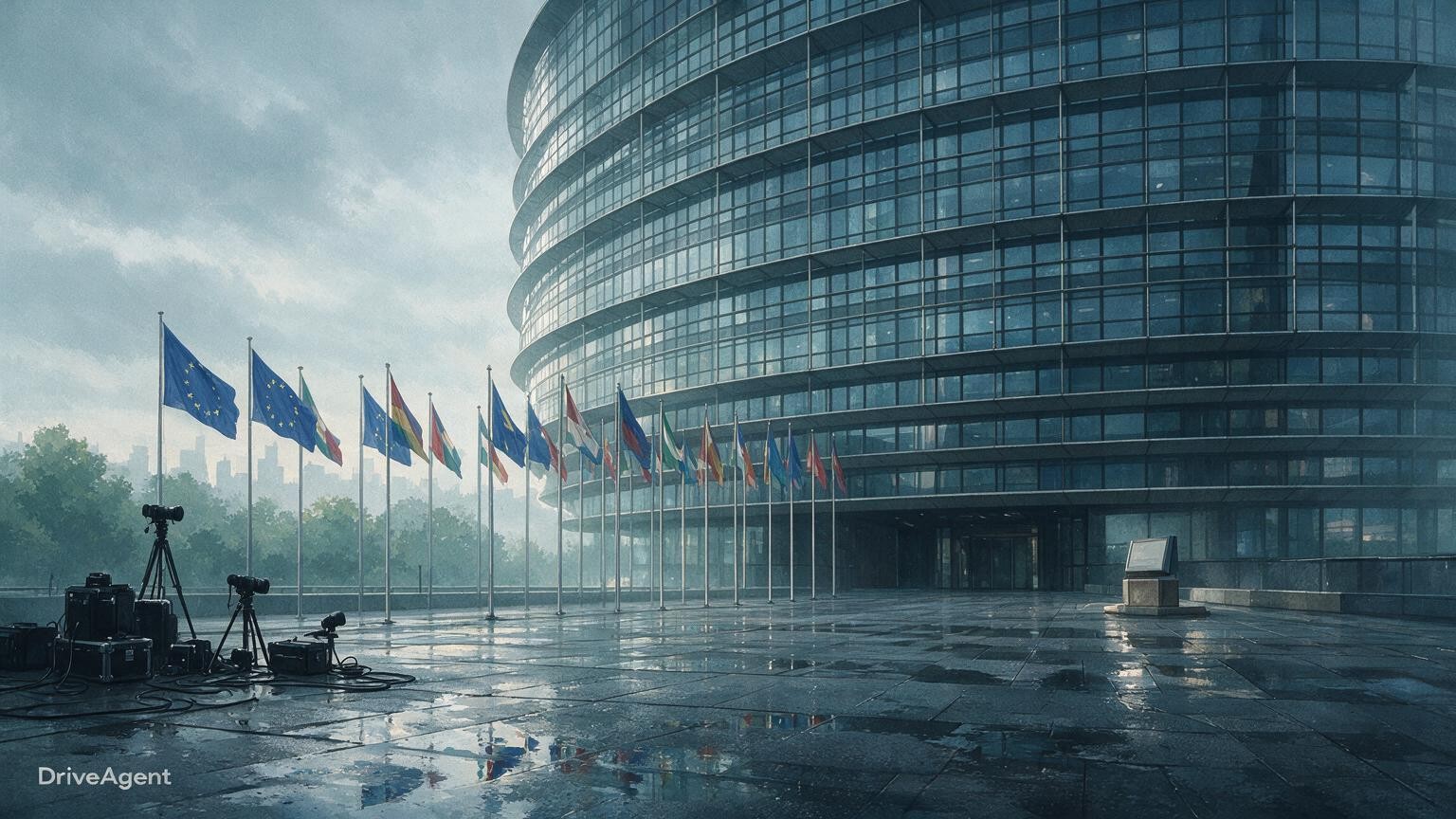
The substance of the deal
French President Emmanuel Macron and German Chancellor Friedrich Merz have agreed a common position intended to loosen the EU-wide ban on combustion engines more than previously planned, with Handelsblatt reporting the deal based on information from three insiders. The pact combines greater technological flexibility for carmakers with enhanced safeguards for European industry against Chinese competition, according to reporting carried by the Spanish outlet TodoAlicante. 12
Until now, the two governments had effectively blocked each other. Germany favoured more flexible rules for manufacturers but resisted the 'Buy European' stipulations championed by Macron, while France was part of a minority bloc of seven countries, alongside Spain, that frustrated German efforts to significantly water down the combustion regulations. TodoAlicante describes the compromise as Macron dropping his opposition to relaxed fleet emission limits, with Merz yielding to French calls to shield the European car industry from Beijing. 2
The safeguards include firmer guarantees that European public subsidies favour manufacturers and components made within Europe, thereby protecting automotive employment across the EU, TodoAlicante reports. Germany had previously pushed back against such requirements as overly protectionist. "Let us not decide today that only one technology can exist in ten years' time. Let electric, hybrid, and synthetic fuels coexist," German government sources in Berlin argued, according to the same report. 2
Spain resists, and the stakes for its plants
Spanish Prime Minister Pedro Sánchez has refused to abandon the EU's 2035 zero-emission target. In December 2025 he wrote to Ursula von der Leyen urging her to maintain the deadline and explicitly opposing the continued sale of combustion vehicles beyond that date, and in June 2026 Spain again aligned with Denmark, France, Luxembourg, the Netherlands, Portugal and Sweden to insist that CO2 targets should not be watered down. 2
The German automotive industry has countered that Spain, as one of Europe's major car producers, also has much to lose from a rushed electric transition. Volkswagen's recent announcement casting doubt on the future of the Seat brand beyond 2029 — with new models ruled out and vehicles slated to disappear from showrooms from 2030 — laid bare those risks, TodoAlicante reports. 2
Allowing Spanish assembly plants to avoid an abrupt halt to combustion production lines could prove vital for the Martorell plant, local suppliers and industrial employment, enabling factories and existing supply chains to keep operating for longer while the electric ecosystem is established, according to TodoAlicante. The outlet also notes the counterweight: Spain has invested heavily in electric mobility readiness, and a European retreat could erode that competitive edge while China continues advancing rapidly in electrification. 2
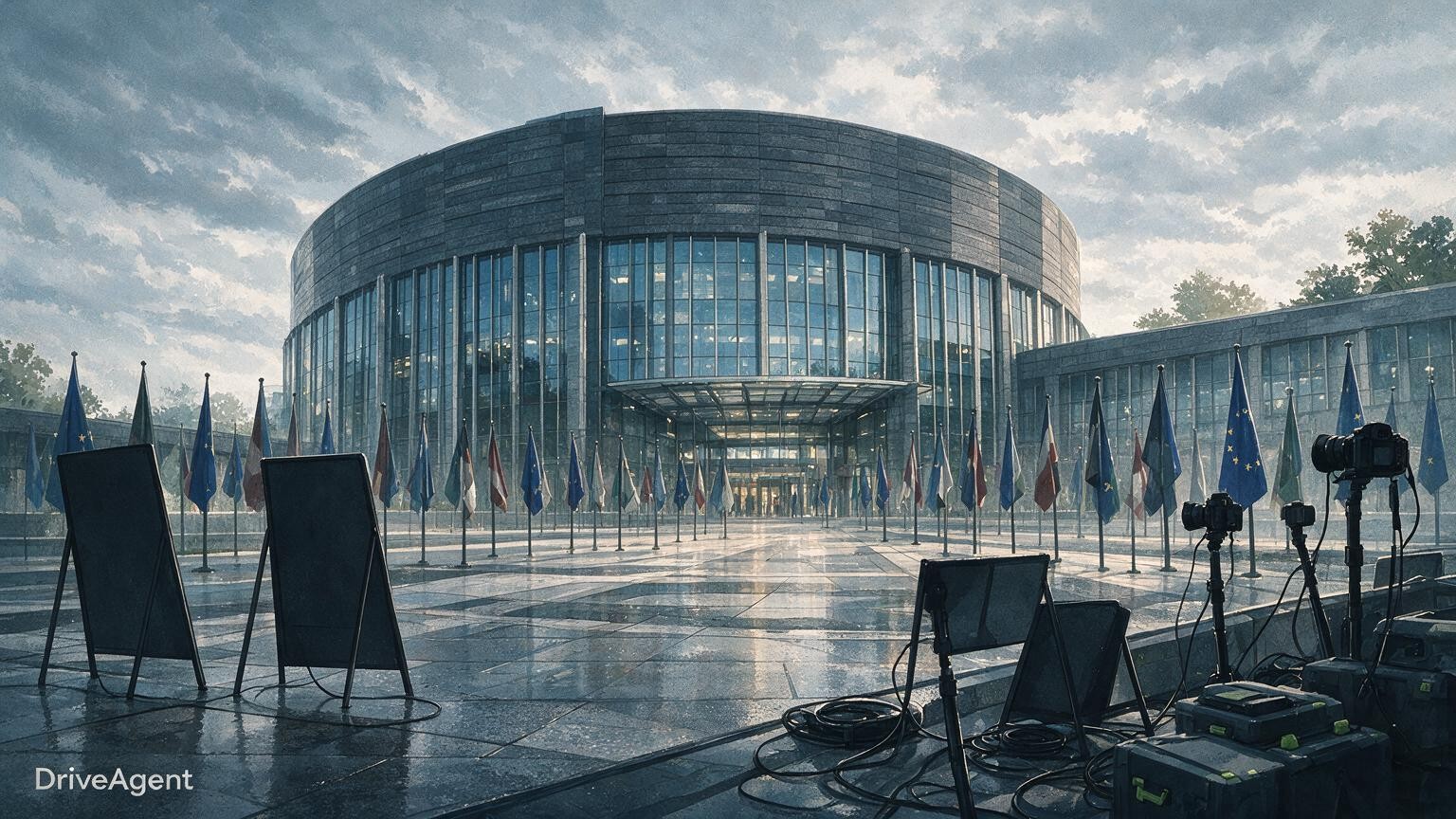
Unresolved details and the parliamentary timetable
Crucial details of the Merz–Macron deal remain to be clarified. The European Commission has proposed lowering the 2035 CO2 reduction target for new cars from 100% to 90% compared with 2021 levels, offset by using green steel in vehicle production and running combustion engines on renewable fuels. According to TodoAlicante, the revised target could be set at 90% without offsets, or entail an even steeper reduction — and the rapporteur steering the dossier, Italian EPP MEP Massimiliano Salini, for instance favours a target of 73%. The final number is therefore unresolved. 2
The Franco-German pact could break the impasse in the European Parliament, where a Transport Committee vote was scheduled for the Monday following the reported deal, aiming to pre-empt the 2027 European elections and remove the contentious issue from campaign debates, TodoAlicante reports. "A deal helps if it builds a bridge towards protecting EU jobs," explained Social Democrat MEP Tiemo Wölken, while Jens Gieseke, a CDU MEP and lead member on the Transport Committee, acknowledged that "this cross-party compromise could help". 2
AI evidence finder
Ask about this article
Ask a question to find relevant published passages and source links. AI selects evidence; the passages remain exactly as published.
Behind this report
Sources & context
Cited source mix
2 cited pages across 2 websites
- Role not assessed 2
Website breakdown
- handelsblatt.com1 page
- todoalicante.es1 page
2 cited pages with an undocumented publisher role. Websites may share ownership or repeat the same reporting.
Saved research extracts
2 / 2 cited pages with saved extracts
0 shortened at our text limit · 0 without a saved-extract record
Extracts retrieved 8 Oct 2026.
Extracts can omit page content. These counts do not verify claims or measure independent reporting. Political leaning and reliability are not rated.
- EU: Wie Merz und Macron das Verbrenner-Aus weiter lockern wollenRole not assessedSource extract saved
Why these labels?EU: Wie Merz und Macron das Verbrenner-Aus weiter lockern wollen
Who produced it
We have not documented this publisher’s role. An unassigned label is not a negative rating.
How this report uses it
Cited in 1 paragraph: The substance of the deal.
This describes its use in our report. It does not establish the source’s editorial stance or independently corroborate every claim.
Evidence record
Text retrieved 8 Oct 2026. The retained extract did not reach our text limit. Extraction can still omit page content.
- France and Germany agree to ease ban on combustion engines in EuropeRole not assessedSource extract saved
Why these labels?France and Germany agree to ease ban on combustion engines in Europe
Who produced it
We have not documented this publisher’s role. An unassigned label is not a negative rating.
How this report uses it
Cited in 8 paragraphs: The substance of the deal; Spain resists, and the stakes for its plants; Unresolved details and the parliamentary timetable.
This describes its use in our report. It does not establish the source’s editorial stance or independently corroborate every claim.
Evidence record
Text retrieved 8 Oct 2026. The retained extract did not reach our text limit. Extraction can still omit page content.
Keep reading
Related subjects and more from this section.
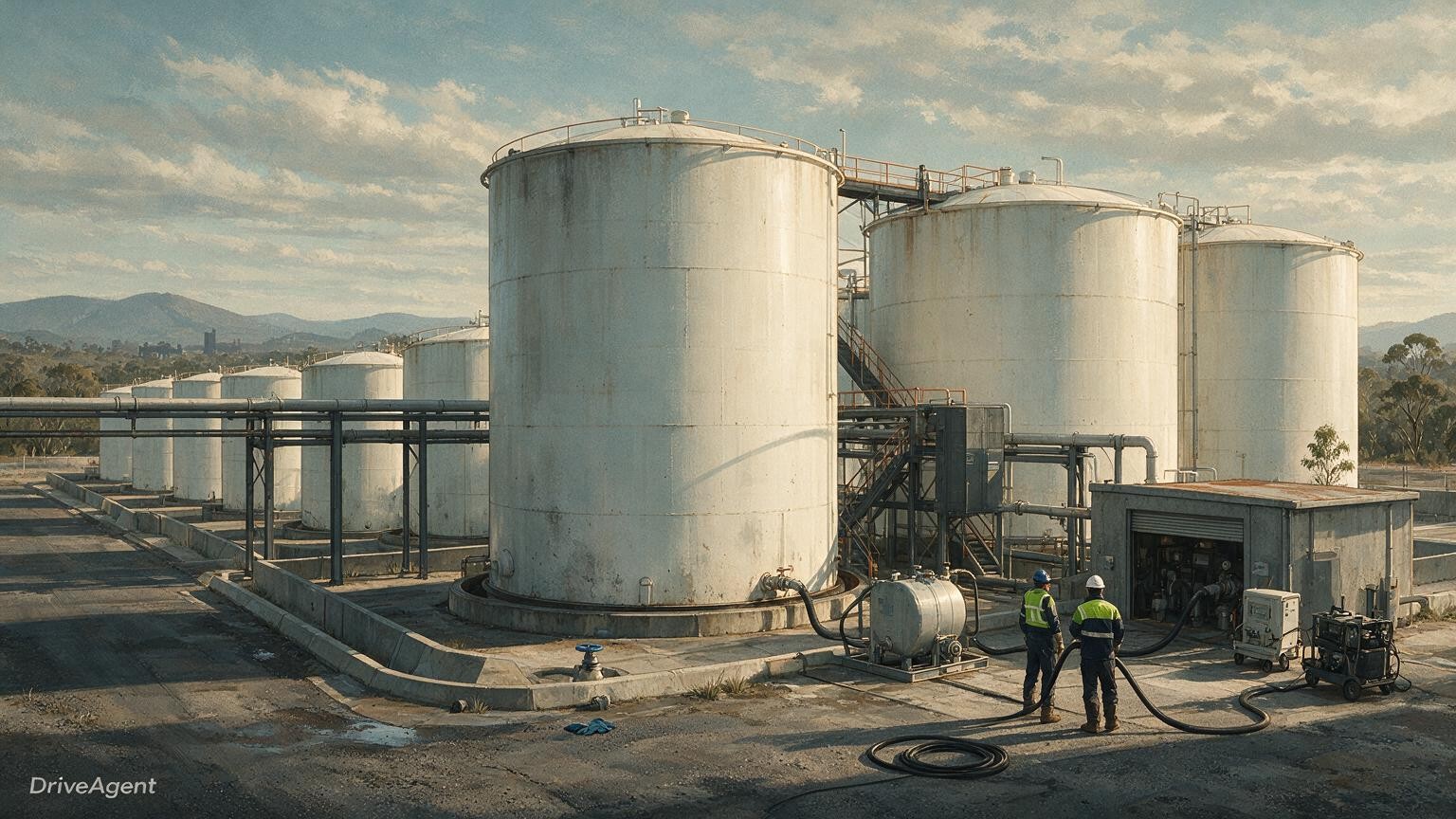
G7 nations agree to release 100 million barrels of oil, with diesel front-loaded, as fuel prices hit records
The Group of Seven has agreed to a coordinated release of 100 million barrels through the International Energy Agency over four months, beginning immediately, after diesel prices in the United States reached record highs and Australian pump prices climbed to their highest levels since April.