GM details fourth-generation EV platform built around LMR batteries and centralised computing
General Motors used its GM Forward event in New York to outline a fourth-generation EV architecture targeting its highest-volume segments, with lithium manganese rich prismatic cells, redesigned drive units and a central compute unit that debuts on the 2028 Cadillac Escalade IQ.
Synthesised from the cited sources. Research, writing and factual checks are automated using AI. Verify details against the sources. How we produce these reports
What GM announced at GM Forward
General Motors used its second annual GM Forward event in New York on 21 October 2026 to detail a fourth-generation EV platform it describes as built for broad appeal in the market's largest segments, combining what it calls the world's first production lithium manganese rich (LMR) battery, more efficient electric propulsion, centralised computing and an updated Super Cruise. GM president Mark Reuss described the architecture as underpinning mainstream EVs, according to Car and Driver. InsideEVs, in its own report from the event, says Reuss positioned the platform for vehicles in several segments with an appearance expected in the near term, but that the company named no specific models or exact launch timing; InsideEVs identifies crossover SUVs as the priority segment. 1287
The figures attached to the platform are GM's own targets rather than independently verified results. The company says initial work points to roughly 20% more range on every kilowatt-hour, a 15% lighter vehicle, 25% better aerodynamics and a battery pack that is 20% more compact. InsideEVs' account of the announcement matches these efficiency, mass and aerodynamic targets, and notes the prismatic cells are planned to be structurally integrated to allow lower, more aerodynamic vehicles, citing GM's director of global EV architecture, Zak Walker. 167
LMR battery chemistry and how it was developed
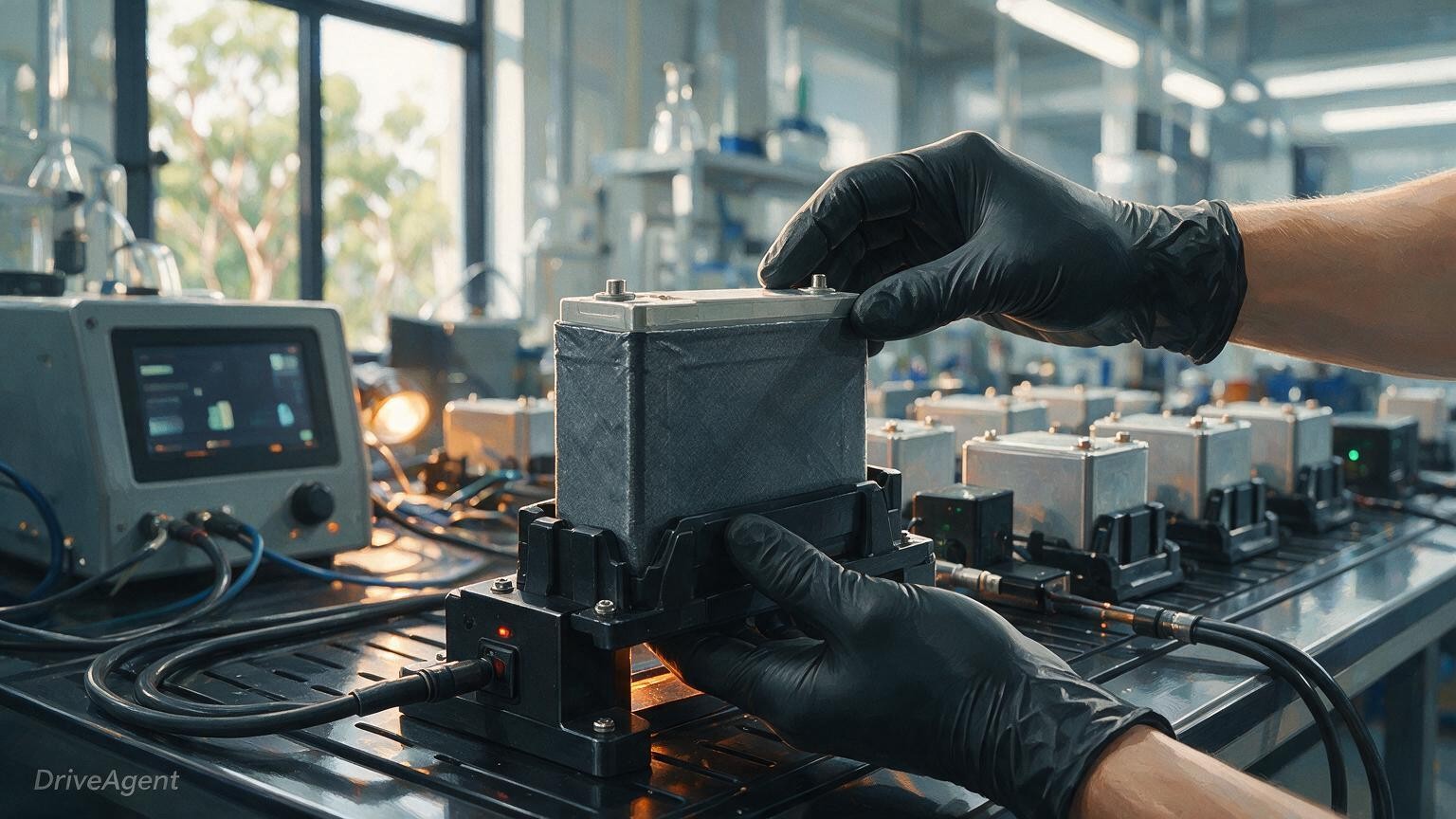
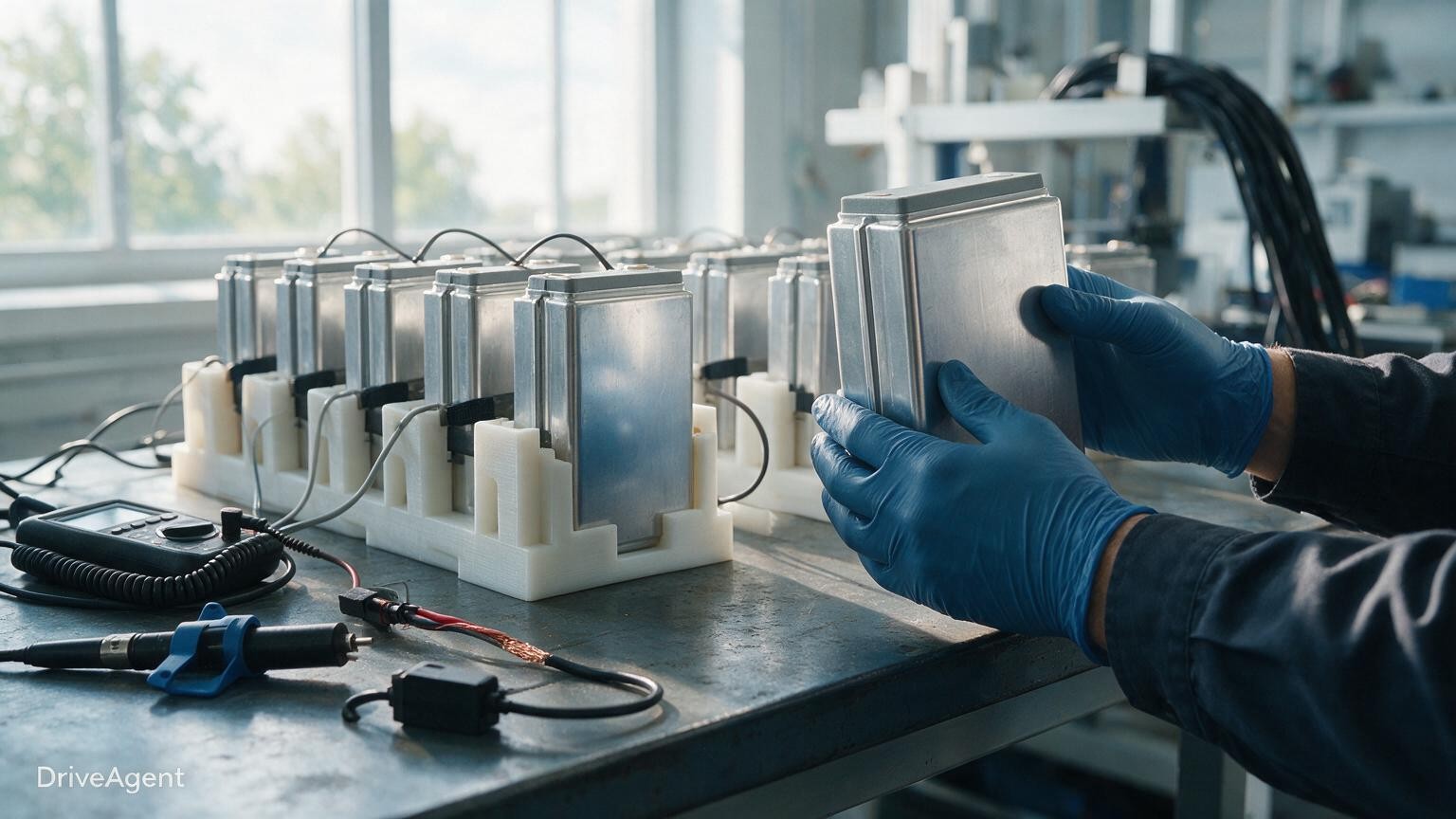
At the heart of the platform is LMR chemistry in prismatic cells produced by Ultium Cells, GM's joint venture with LG Energy Solution, in Spring Hill, Tennessee. GM says LMR is designed to offer 33% more energy density than lithium iron phosphate (LFP), a widely used low-cost chemistry, at a comparable price, supporting longer range in a smaller and lighter pack. GreenCars characterises the chemistry as matching LFP on cost while coming close to nickel-rich cells on energy density, because LMR uses less nickel. 1465
GM says the chemistry was developed largely through computer modelling, testing more than 300,000 battery designs before building a single physical prototype, and that the team moved from its first LMR battery pack concept to formal program approval in one month. TechCrunch highlights the same virtual-design figure as an example of GM's compressed development approach. Yahoo Finance reports GM and LG unveiled LMR in May 2025 with full-size electric trucks and SUVs starting in 2028 in mind, and GM now says it plans to use LMR in its highest-volume EV segments, where range, durability and affordability matter most. 1236
Yahoo Finance also notes what was absent from the announcement: no energy-storage-system play of its own. Ultium Cells said in March it would spend $70 million retooling Spring Hill to build LFP cells for energy storage, but those cells are packaged by LG Energy Solution Vertech for grid-scale and data-centre projects, with LG Energy Solution North America president Bob Lee calling Spring Hill a key hub in that company's North American ESS manufacturing footprint. 6
Simplified drive units and a central computing architecture
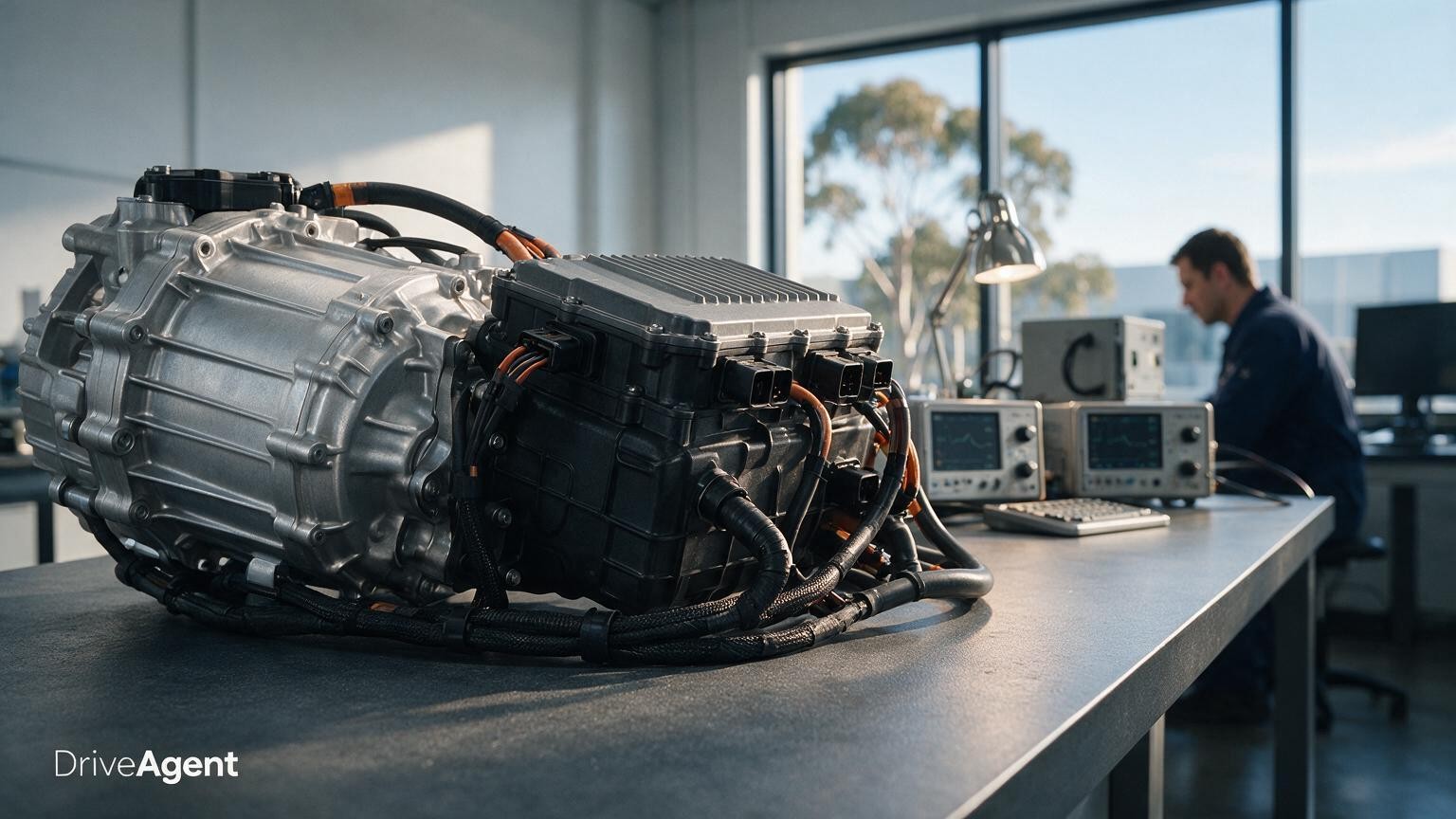
GM has redesigned its propulsion hardware, saying a new family of electric motors and power electronics reduces the number of parts inside each drive unit by 40%, producing a smaller and lighter system that frees room for people and cargo while helping lower production costs. The company also says the platform carries its new compute and electrical architecture with fewer control modules and 30% less wiring than today's EVs, providing 40 times more processing power for AI-enabled features. 17
The Central Compute Unit consolidates perception, propulsion, active safety and chassis controls that were previously spread across dozens of electronic control units. GreenCars reports the liquid-cooled central computer is primarily powered by an Nvidia Thor system-on-chip based on the Blackwell architecture, paired with three aggregator modules handling power and signal distribution. GM says the architecture is propulsion-agnostic, working with electric, gas and hybrid powertrains, and delivers up to 50% faster cellular connectivity alongside the compute and wiring gains. 241
The architecture debuts on the US-market 2028 Cadillac Escalade IQ before GM says it will quickly roll out across its highest-volume gas-powered full-size SUVs and trucks, its three-row crossovers, such as the Chevrolet Traverse, Buick Enclave and GMC Acadia, and its fourth-generation EVs. Car and Driver reports no dates were given for those later models and that the changeover can occur in a mid-cycle update rather than a major redesign. 2845
OnStar AI and the connected-car updates from the same event
Alongside the platform news, GM announced that the OnStar AI Assistant will launch in the 2027 Cadillac LYRIQ through an over-the-air update in the coming months, with more vehicles to follow. The Verge reports the assistant can control vehicle functions such as cabin temperature, the charge port and diagnostics, and operates at a deeper system level than the Google Gemini-powered voice assistant already in GM vehicles. Car and Driver adds that the capability is expected to roll out to models such as the Chevrolet Silverado and GMC Sierra next year, and that GM indicated it can be retrofitted to some existing GM cars. 258
GM also detailed a consolidated OnStar mobile app starting in 2027 that will replace the current OnStar Guardian and the Buick, Cadillac, Chevrolet and GMC brand apps, combining vehicle management with connected camera and family safety features. The company says OnStar currently connects more than 12 million subscribers across 22 markets, and that customers will retain choices over which features are enabled. 2
Development process and manufacturing changes
GM frames the platform as the product of a new engineering operating system in which design, engineering and manufacturing work concurrently on a unified digital thread rather than sequentially. The company says this concurrent model, combined with enterprise AI and virtualisation, is expected to halve its traditional four-to-five-year development timeline, a goal Car and Driver summarises as shrinking new-vehicle development to about two years. TechCrunch contextualises this against Chinese manufacturers, which have shortened development cycles to two to three years. 12835
On the factory floor, GM says its PlantBrAIn factory intelligence platform combines plant-floor data with computer models to improve how fourth-generation EVs and battery packs are built, and that at its battery-pack assembly facilities this approach has already helped move packs through the process 30% faster. The company also says the new compute architecture lets a vehicle test electrical connections as it moves down the line, eliminating a final validation check. 1
Context, competition and what remains unconfirmed
GreenCars observes that, unlike Ford, Tesla and several Chinese automakers, GM does not appear to be pursuing large-scale die castings or a structural battery pack, with the fourth-generation structure described so far as fairly conventional. It also offers a caution on the efficiency claim: GM's current EVs are not class-leading on consumption, and it calculates that a 20% improvement on the front-wheel-drive Chevrolet Equinox EV, rated at 31 kilowatt-hours per 100 miles, would put it roughly on par with the latest Toyota bZ at 26 kWh/100 miles. That comparison rests on GreenCars' own interpretation of the claimed improvement. 4
Ford's Universal Electric Vehicle program is the closest competitor on paper, with a similar focus on lower cost, fewer parts, new electronics and simpler manufacturing; GreenCars notes Ford announced a similar LMR chemistry in spring 2025 but has stayed quiet since, while leaning heavily on LFP for its UEV. GM, by contrast, is going all-in on LMR for its next EVs, after retooling the Spring Hill Ultium Cells plant, originally configured for NMCA pouch cells used in GM's current-generation EVs. 46
Several elements of the announcement remain unconfirmed or preliminary. GM has not named the models that will use the fourth-generation platform, given no launch date for it, and described its efficiency, mass, aerodynamic and cost figures as targets from initial work rather than production-verified results. The platform also forms the foundation for GM's planned hands-free, eyes-off highway driving system targeted for the 2028 Escalade IQ, which GreenCars notes still faces unresolved legal and regulatory questions if GM hopes to offer it in all 50 US states, and which no automaker has yet achieved. 16748
AI evidence finder
Ask about this article
Ask a question to find relevant published passages and source links. AI selects evidence; the passages remain exactly as published.
Behind this report
Sources & context
Cited source mix
8 cited pages across 7 websites
- Role not assessed 8
Website breakdown
- news.gm.com2 pages
- au.finance.yahoo.com1 page
- caranddriver.com1 page
- greencars.com1 page
- techcrunch.com1 page
- theverge.com1 page
- ua.news1 page
8 cited pages with an undocumented publisher role. Websites may share ownership or repeat the same reporting.
Saved research extracts
8 / 8 cited pages with saved extracts
0 shortened at our text limit · 0 without a saved-extract record
Extracts retrieved 22 Oct 2026.
Extracts can omit page content. These counts do not verify claims or measure independent reporting. Political leaning and reliability are not rated.
- Speed and simplicity shape GM's fourth-generation EVsRole not assessedSource extract saved
Why these labels?Speed and simplicity shape GM's fourth-generation EVs
Who produced it
We have not documented this publisher’s role. An unassigned label is not a negative rating.
How this report uses it
Cited in 9 paragraphs: What GM announced at GM Forward; LMR battery chemistry and how it was developed; Simplified drive units and a central computing architecture; Development process and manufacturing changes; Context, competition and what remains unconfirmed.
This describes its use in our report. It does not establish the source’s editorial stance or independently corroborate every claim.
Evidence record
Text retrieved 22 Oct 2026. The retained extract did not reach our text limit. Extraction can still omit page content.
- GM Forward: Engineering the intelligence-defined vehicle for everyoneRole not assessedSource extract saved
Why these labels?GM Forward: Engineering the intelligence-defined vehicle for everyone
Who produced it
We have not documented this publisher’s role. An unassigned label is not a negative rating.
How this report uses it
Cited in 7 paragraphs: What GM announced at GM Forward; LMR battery chemistry and how it was developed; Simplified drive units and a central computing architecture; OnStar AI and the connected-car updates from the same event; Development process and manufacturing changes.
This describes its use in our report. It does not establish the source’s editorial stance or independently corroborate every claim.
Evidence record
Text retrieved 22 Oct 2026. The retained extract did not reach our text limit. Extraction can still omit page content.
- GM is betting compute and AI will help it compete with Chinese automakers | TechCrunchRole not assessedSource extract saved
Why these labels?GM is betting compute and AI will help it compete with Chinese automakers | TechCrunch
Who produced it
We have not documented this publisher’s role. An unassigned label is not a negative rating.
How this report uses it
Cited in 2 paragraphs: LMR battery chemistry and how it was developed; Development process and manufacturing changes.
This describes its use in our report. It does not establish the source’s editorial stance or independently corroborate every claim.
Evidence record
Text retrieved 22 Oct 2026. The retained extract did not reach our text limit. Extraction can still omit page content.
- Inside GM's Plan for Its Next-Gen EVsRole not assessedSource extract saved
Why these labels?Inside GM's Plan for Its Next-Gen EVs
Who produced it
We have not documented this publisher’s role. An unassigned label is not a negative rating.
How this report uses it
Cited in 6 paragraphs: LMR battery chemistry and how it was developed; Simplified drive units and a central computing architecture; Context, competition and what remains unconfirmed.
This describes its use in our report. It does not establish the source’s editorial stance or independently corroborate every claim.
Evidence record
Text retrieved 22 Oct 2026. The retained extract did not reach our text limit. Extraction can still omit page content.
- GM promises smarter cars, faster updates, and autonomous dry-cleaning runsRole not assessedSource extract saved
Why these labels?GM promises smarter cars, faster updates, and autonomous dry-cleaning runs
Who produced it
We have not documented this publisher’s role. An unassigned label is not a negative rating.
How this report uses it
Cited in 4 paragraphs: LMR battery chemistry and how it was developed; Simplified drive units and a central computing architecture; OnStar AI and the connected-car updates from the same event; Development process and manufacturing changes.
This describes its use in our report. It does not establish the source’s editorial stance or independently corroborate every claim.
Evidence record
Text retrieved 22 Oct 2026. The retained extract did not reach our text limit. Extraction can still omit page content.
- GM bets on new batteries, AI to make EVs mainstream, but skips the energy storage boomRole not assessedSource extract saved
Why these labels?GM bets on new batteries, AI to make EVs mainstream, but skips the energy storage boom
Who produced it
We have not documented this publisher’s role. An unassigned label is not a negative rating.
How this report uses it
Cited in 6 paragraphs: What GM announced at GM Forward; LMR battery chemistry and how it was developed; Context, competition and what remains unconfirmed.
This describes its use in our report. It does not establish the source’s editorial stance or independently corroborate every claim.
Evidence record
Text retrieved 22 Oct 2026. The retained extract did not reach our text limit. Extraction can still omit page content.
- GM представила EV-платформу з на 20% меншою ємністю батарей — InsideEVsRole not assessedSource extract saved
Why these labels?GM представила EV-платформу з на 20% меншою ємністю батарей — InsideEVs
Who produced it
We have not documented this publisher’s role. An unassigned label is not a negative rating.
How this report uses it
Cited in 4 paragraphs: What GM announced at GM Forward; Simplified drive units and a central computing architecture; Context, competition and what remains unconfirmed.
This describes its use in our report. It does not establish the source’s editorial stance or independently corroborate every claim.
Evidence record
Text retrieved 22 Oct 2026. The retained extract did not reach our text limit. Extraction can still omit page content.
- GM Tech Day: Autonomous Driving, More Helpful OnStar, Faster Product DevelopmentRole not assessedSource extract saved
Why these labels?GM Tech Day: Autonomous Driving, More Helpful OnStar, Faster Product Development
Who produced it
We have not documented this publisher’s role. An unassigned label is not a negative rating.
How this report uses it
Cited in 5 paragraphs: What GM announced at GM Forward; Simplified drive units and a central computing architecture; OnStar AI and the connected-car updates from the same event; Development process and manufacturing changes; Context, competition and what remains unconfirmed.
This describes its use in our report. It does not establish the source’s editorial stance or independently corroborate every claim.
Evidence record
Text retrieved 22 Oct 2026. The retained extract did not reach our text limit. Extraction can still omit page content.
Keep reading
Related subjects and more from this section.
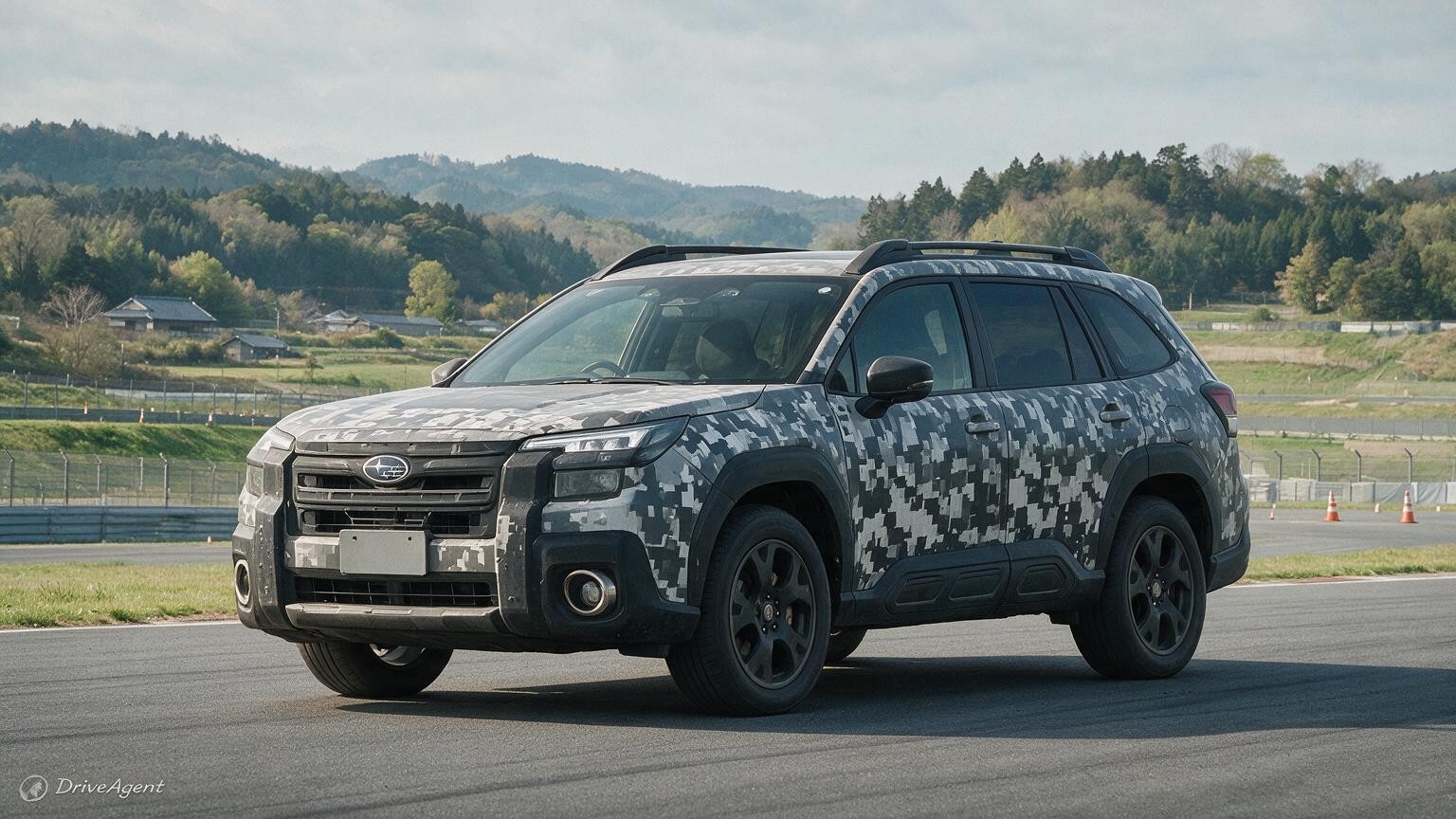
Subaru previews first in-house EV platform in Outback-bodied test car, targeting showrooms around 2029
CarExpert reports that Subaru demonstrated an independently developed EV platform in a test vehicle wearing an Outback wagon body in Japan, with showroom applications proposed around 2029. The prototype does not confirm the design or specifications of a production model.