Saft's TotalEnergies-owned battery unit opens solid-state production lines in Bordeaux, aimed at aviation and space rather than cars
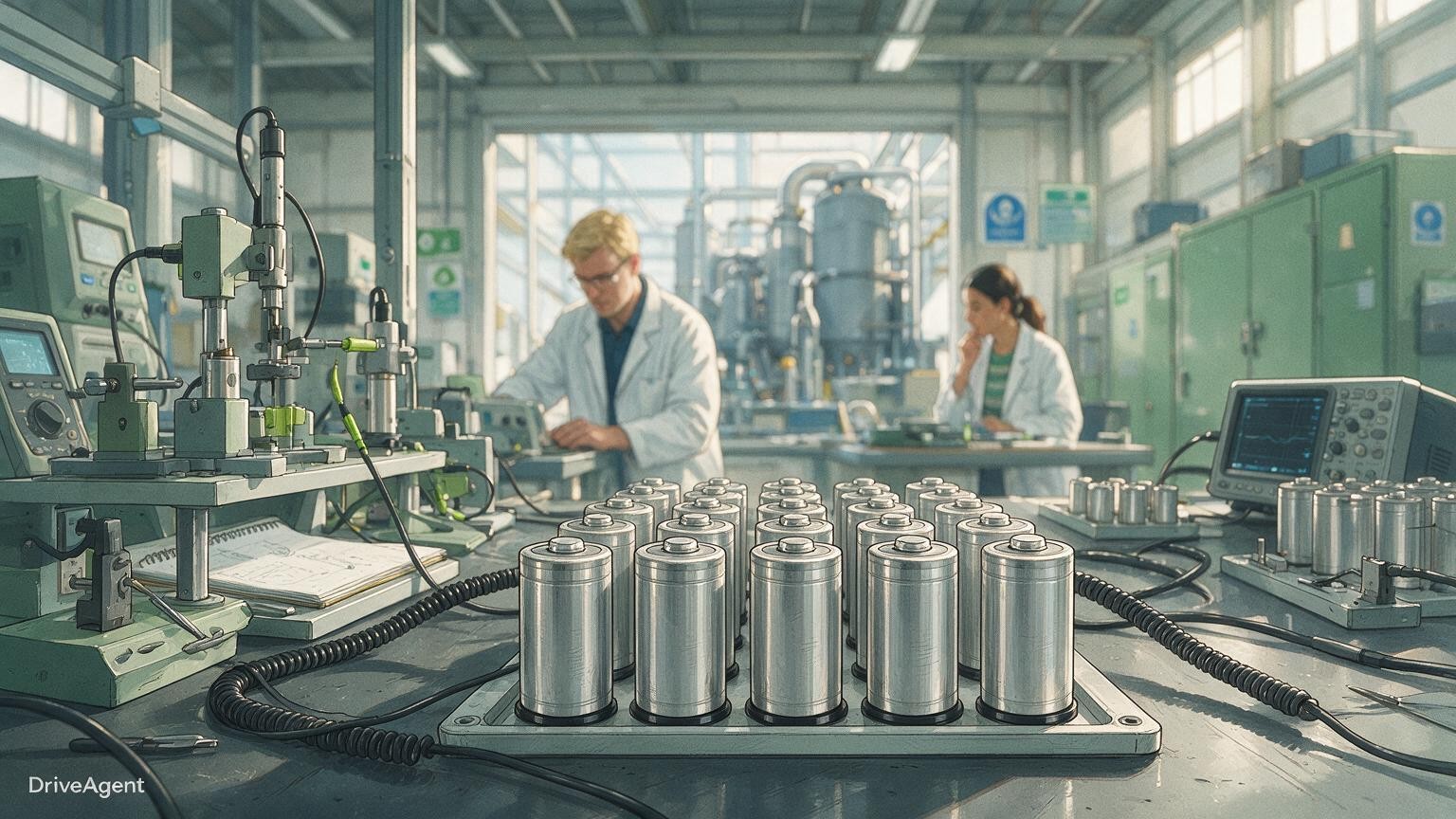
The TotalEnergies-owned battery specialist has inaugurated sulfide and polymer solid-state production lines in Bordeaux, reporting cell energy density near 400 Wh/kg — but its first customers are aircraft and satellite makers, not carmakers, with semisolid cells the nearest automotive step.
Synthesised from the cited sources. Research, writing and factual checks are automated using AI. Verify details against the sources. How we produce these reports
Bordeaux lines inaugurated as Saft claims a French first
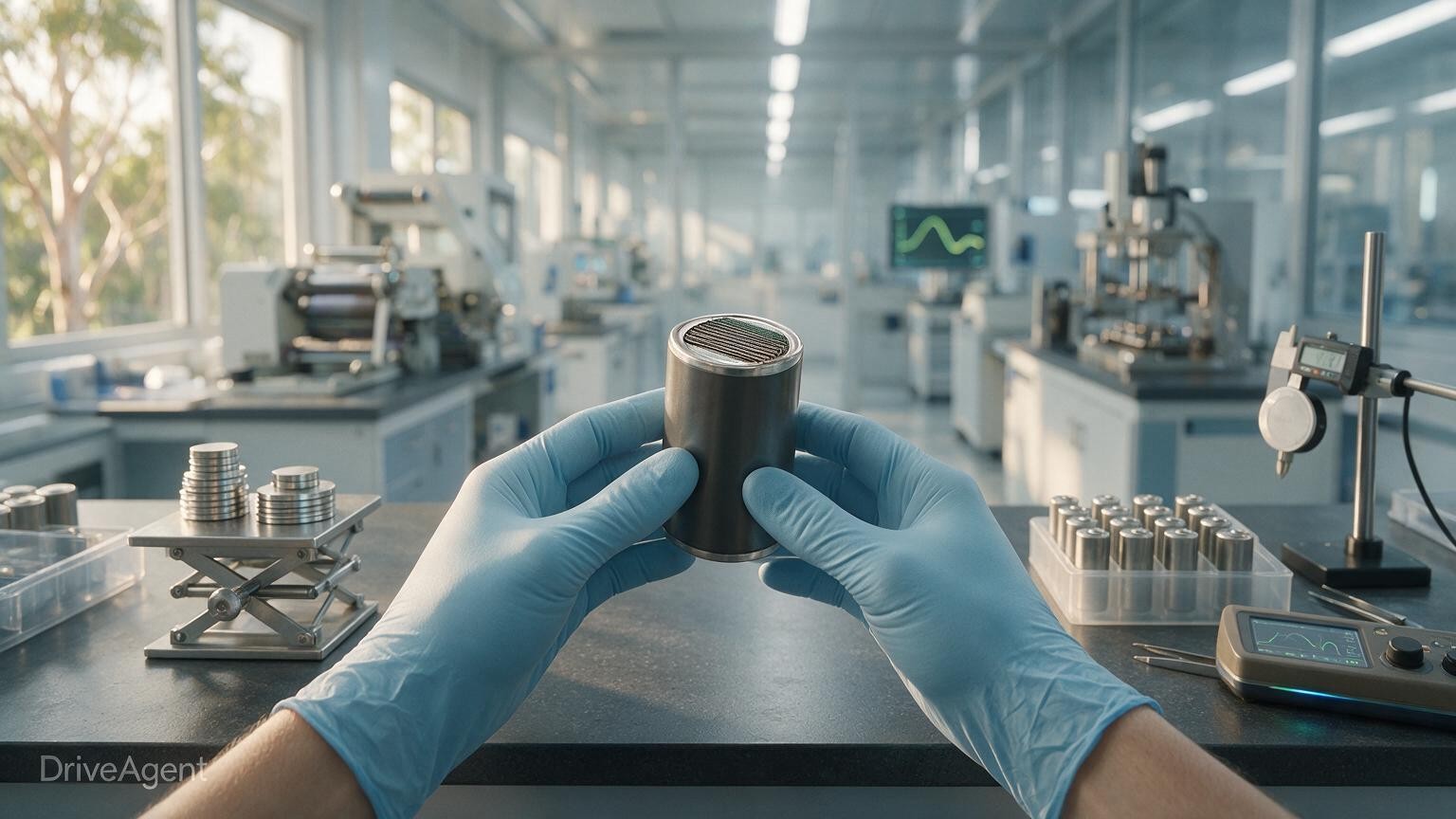
Saft, the battery manufacturer wholly owned by TotalEnergies since 2016, inaugurated production lines dedicated to solid-state batteries at its Bordeaux plant on Monday 19 October. According to the company's official statement, reported by energynews.pro, Saft becomes the first French manufacturer capable of developing and producing solid-state batteries combining sulfide and polymer electrolyte technologies at room temperature. Saft chief executive Cedric Duclos said the new line turns several years of research into concrete industrial capability and confirms the ambition to make France and Europe leading players in the technology. 62
The company says the solid electrolyte replaces the liquid electrolyte used in conventional lithium-ion cells and that the architecture offers a higher level of safety, with energy densities up to 50 per cent higher than conventional lithium-ion according to the group. Saft also highlights dry electrode production, which it says cuts CO2 emissions associated with that manufacturing step by up to 40 per cent. Those emissions figures are the company's own calculations, as reported by energynews.pro, not independently verified results. 62
The polymer detail matters technically. As the Spanish outlet TestCoches explains, polymer electrolytes conduct ions well when hot — Bolloré's lithium-metal-polymer batteries in earlier French cars and buses had to operate at elevated temperatures with the associated energy penalty — so achieving room-temperature operation is one of the significant challenges for this chemistry. The sulfide route, also pursued by CATL, BYD and Toyota, offers strong conductivity but sulfide reacts with moisture in air, requiring production in tightly controlled dry rooms that are more expensive than conventional lithium-ion lines. 2
Near 400 Wh/kg now, 500 Wh/kg targeted
The headline figure did not come from the press release. Saft told the French industry publication L'Usine Nouvelle that the Bordeaux line has already reached an energy density close to 400 Wh/kg, and that its goal is to exceed 500 Wh/kg within a few years. TestCoches reports both figures and notes the distinction matters: density claims are made at cell level, and a complete battery pack always delivers less because solid-state cells need to be held under pressure so the solid materials maintain contact through charge cycles. 2
For context, TestCoches notes the best NMC cells in today's electric cars sit around 300 Wh/kg, while LFP cells in more affordable models run roughly between 160 and 200 Wh/kg. Using a typical 75 kWh battery for a C-segment electric SUV as an illustration, it calculates that cells at 400 Wh/kg would weigh about 190 kilograms against roughly 280 kilograms for 270 Wh/kg cells — around 90 kilograms less for the same energy, or nearly 50 per cent more capacity at constant weight. 2
Aviation and space first, not road cars
Saft's announcement does not mention passenger cars at all. The company is targeting the electrification and decarbonisation of aeronautics and space — sectors where safety, performance and energy density carry the greatest strategic value, according to the group, as reported by energynews.pro. In aviation, Saft says it has already delivered semi-solid cells to Safran, which will use them to assess future electric and hybrid aircraft architectures. 62
TestCoches argues the economics make aviation the rational entry point: in an aircraft every saved kilogram becomes payload or range, volumes are small and customers will pay far more per kWh, allowing an expensive technology to be commercialised while manufacturing is learned. A carmaker needs millions of cells a year at a price supporting a sub-30,000-euro vehicle with thousands of warranted cycles. Saft's business has never been volume automotive — its cells go to trains, aircraft, ships, satellites, industrial backup and defence applications, and it booked 1.3 billion euros of revenue in 2024, of which about 10 per cent goes to research and development. 2
What was not disclosed, and the wider field
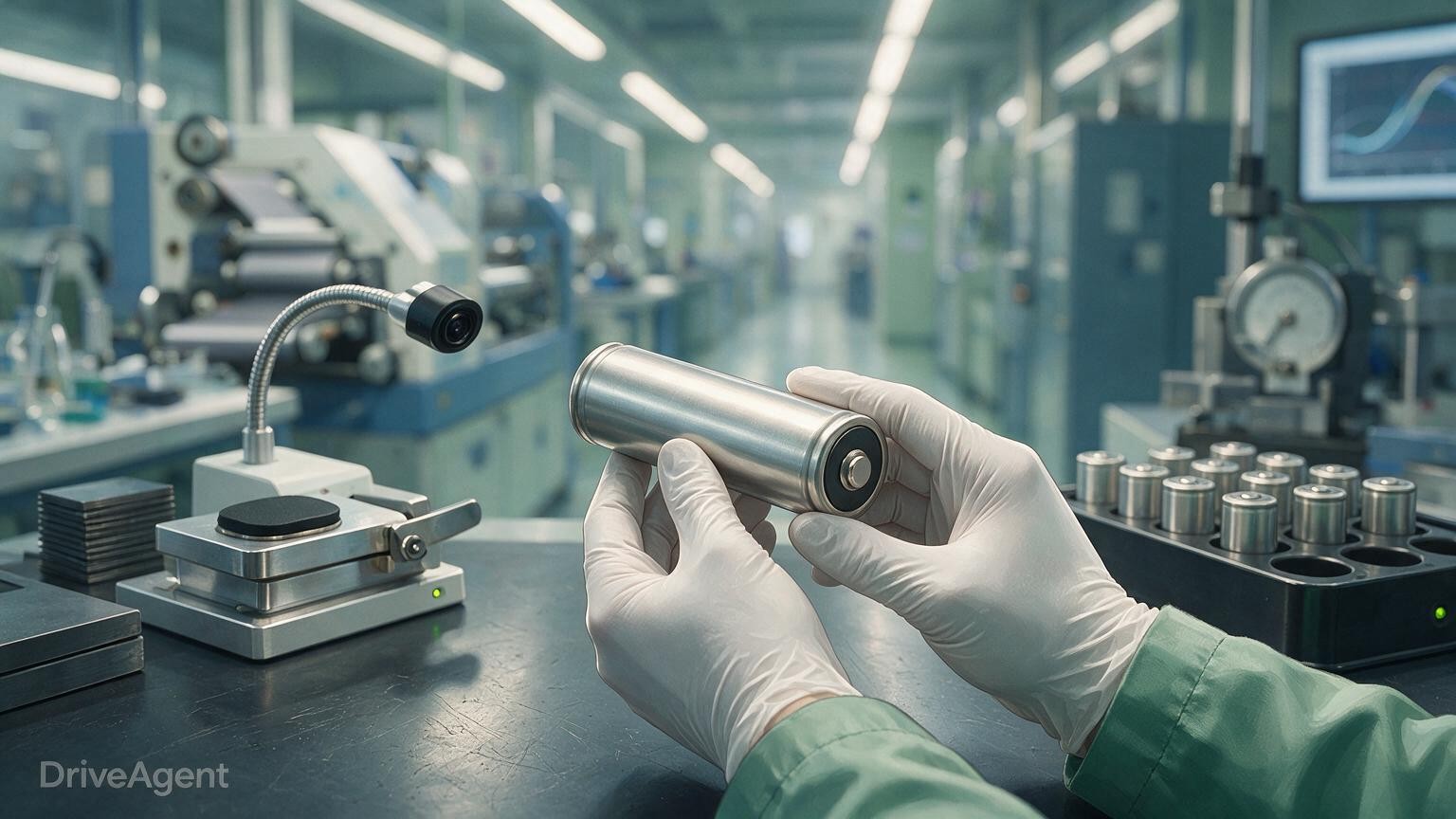
Both energynews.pro and TestCoches note what the announcement leaves out: Saft disclosed no production capacity in GWh, no cycle-life figures and no cost per kWh, and the caption of the official images refers to a pilot line. A year earlier the company had invested 20 million euros in expanding its testing capabilities for new solid-state battery generations in Bordeaux, with dedicated laboratories and assembly space. Neither outlet reports an announced automotive supply contract. 62
What does reach dealerships, TestCoches notes, is the semisolid intermediate step rather than full solid-state: MG already sells the MG4 Anxin with a semisolid battery in China and has announced that its SolidCore semisolid battery will arrive in Europe at the end of 2026. In its analysis of the MG4 with the semisolid pack at its Chinese launch, the outlet found range was practically unchanged and weight slightly higher, with the benefit lying more in safety and scaling the technology than in distance covered. 2
Saft is not alone in this space. Taiwan's ProLogium said in September 2026 that its Gen 3.5 Lithium Ceramic Battery is in mass production at its Taiwan facility, with a TÜV test report showing a 185.4 Ah large-format cell at 381 Wh/kg gravimetric and 903 Wh/L volumetric density, and UL Solutions testing supporting all-solid-state classification under China's GB/T 43568-2026 standard. Its Dunkerque plant in France, under construction since February, is not expected to produce cells until 2028, and no anchor customer for that site has been publicly announced. 42
Elsewhere, the SMM industry weekly reports Dongfeng's oxide-polymer composite solid-state battery is slated for mass production in the second half of 2026 after demo vehicles logged more than 3.2 million safe kilometres, while CATL and BYD are both pointing to 2027 for pilot production of sulfide cells at densities around 400 Wh/kg per cell — the same figure Saft says it has reached today. In aviation specifically, SMM notes Xinyang Energy supplies a 480-plus Wh/kg solid-state lithium-metal battery to EHang's EH216-S, and Air Energy, a Chicago startup, closed an oversubscribed seed round in June 2026 to scale a solid-state lithium-air platform targeting beyond 1,000 Wh/kg. 312
The automotive link runs through ACC — and via Factorial
Saft's own automotive exposure sits in ACC (Automotive Cells Company), its joint venture with Stellantis and Mercedes-Benz, which produces nickel cells with liquid electrolyte at Douvrin in northern France, mainly for Stellantis models. According to TestCoches, ACC definitively abandoned planned gigafactories in Germany and Italy in February and is now focused solely on making the French plant work. Saft also participates in European research projects on sulfur and lithium-sulfur batteries for cars, but a research project is years away from a production supply contract, and none has been announced. 2
Notably, Saft's two automotive partners have their own solid-state bets that bypass Bordeaux: both work with the American company Factorial. Factorial's own materials show Mercedes-Benz road-testing a lightly modified test vehicle that achieved more than 1,200 km of range on a single charge, and a Stellantis-lab-verified 77 Ah cell program integrated into a Dodge Charger Daytona demonstration vehicle. In July 2026 Factorial signed a non-binding memorandum of understanding with SK On to evaluate whether the Korean manufacturer's global footprint — more than 200 GWh of annual capacity, including around 100 GWh in the United States — could support solid-state manufacturing, and in September it signed a joint development agreement with Mitsui Kinzoku, a leading producer of sulfide solid electrolytes, to industrialise its Solstice all-solid-state platform. 572
TestCoches adds French historical context to Saft's "first" claim: Bolloré's Blue Solutions already commercialised solid-state lithium-metal-polymer batteries in the Bluecar and Bluebus programs, though those cells needed elevated operating temperatures — the distinction Saft claims is sulfide and polymer chemistry at room temperature. The Bolloré history is also a caution: after two Bluebus fires in 2022, attributed to a battery insulation fault rather than the chemistry itself, RATP withdrew the fleet and Bolloré closed Bluebus production, with Blue Solutions now seeking an investor for a fourth-generation gigafactory targeted for 2029. 2
AI evidence finder
Ask about this article
Ask a question to find relevant published passages and source links. AI selects evidence; the passages remain exactly as published.
Behind this report
Sources & context
Cited source mix
7 cited pages across 5 websites
- Role not assessed 7
Website breakdown
- finance.yahoo.com3 pages
- einpresswire.com1 page
- energynews.pro1 page
- news.metal.com1 page
- testcoches.es1 page
7 cited pages with an undocumented publisher role. Websites may share ownership or repeat the same reporting.
Saved research extracts
7 / 7 cited pages with saved extracts
0 shortened at our text limit · 0 without a saved-extract record
Extracts retrieved 20 Oct 2026.
Extracts can omit page content. These counts do not verify claims or measure independent reporting. Political leaning and reliability are not rated.
- Air Energy Closes Seed Round to Scale DOE-Validated ...Role not assessedSource extract saved
Why these labels?Air Energy Closes Seed Round to Scale DOE-Validated ...
Who produced it
We have not documented this publisher’s role. An unassigned label is not a negative rating.
How this report uses it
Cited in 1 paragraph: What was not disclosed, and the wider field.
This describes its use in our report. It does not establish the source’s editorial stance or independently corroborate every claim.
Evidence record
Text retrieved 20 Oct 2026. The retained extract did not reach our text limit. Extraction can still omit page content.
- La petrolera TotalEnergies ya fabrica baterías de estado sólido de casi 400 Wh/kg. Por qué de momento son para aviones y no para coches eléctricosRole not assessedSource extract saved
Why these labels?La petrolera TotalEnergies ya fabrica baterías de estado sólido de casi 400 Wh/kg. Por qué de momento son para aviones y no para coches eléctricos
Who produced it
We have not documented this publisher’s role. An unassigned label is not a negative rating.
How this report uses it
Cited in 14 paragraphs: Bordeaux lines inaugurated as Saft claims a French first; Near 400 Wh/kg now, 500 Wh/kg targeted; Aviation and space first, not road cars; What was not disclosed, and the wider field; The automotive link runs through ACC — and via Factorial.
This describes its use in our report. It does not establish the source’s editorial stance or independently corroborate every claim.
Evidence record
Text retrieved 20 Oct 2026. The retained extract did not reach our text limit. Extraction can still omit page content.
- Ii. BatteryRole not assessedSource extract saved
Why these labels?Ii. Battery
Who produced it
We have not documented this publisher’s role. An unassigned label is not a negative rating.
How this report uses it
Cited in 1 paragraph: What was not disclosed, and the wider field.
This describes its use in our report. It does not establish the source’s editorial stance or independently corroborate every claim.
Evidence record
Text retrieved 20 Oct 2026. The retained extract did not reach our text limit. Extraction can still omit page content.
- ProLogium Begins Mass Production of High-Energy-Density All ...Role not assessedSource extract saved
Why these labels?ProLogium Begins Mass Production of High-Energy-Density All ...
Who produced it
We have not documented this publisher’s role. An unassigned label is not a negative rating.
How this report uses it
Cited in 1 paragraph: What was not disclosed, and the wider field.
This describes its use in our report. It does not establish the source’s editorial stance or independently corroborate every claim.
Evidence record
Text retrieved 20 Oct 2026. The retained extract did not reach our text limit. Extraction can still omit page content.
- Factorial and SK On Sign MoU to Explore Solid-State ...Role not assessedSource extract saved
Why these labels?Factorial and SK On Sign MoU to Explore Solid-State ...
Who produced it
We have not documented this publisher’s role. An unassigned label is not a negative rating.
How this report uses it
Cited in 1 paragraph: The automotive link runs through ACC — and via Factorial.
This describes its use in our report. It does not establish the source’s editorial stance or independently corroborate every claim.
Evidence record
Text retrieved 20 Oct 2026. The retained extract did not reach our text limit. Extraction can still omit page content.
- Saft inaugurates its first solid-state battery production lines in Bordeaux | energynews.proRole not assessedSource extract saved
Why these labels?Saft inaugurates its first solid-state battery production lines in Bordeaux | energynews.pro
Who produced it
We have not documented this publisher’s role. An unassigned label is not a negative rating.
How this report uses it
Cited in 4 paragraphs: Bordeaux lines inaugurated as Saft claims a French first; Aviation and space first, not road cars; What was not disclosed, and the wider field.
This describes its use in our report. It does not establish the source’s editorial stance or independently corroborate every claim.
Evidence record
Text retrieved 20 Oct 2026. The retained extract did not reach our text limit. Extraction can still omit page content.
- Mitsui Kinzoku Partners with Factorial to Scale All-Solid ...Role not assessedSource extract saved
Why these labels?Mitsui Kinzoku Partners with Factorial to Scale All-Solid ...
Who produced it
We have not documented this publisher’s role. An unassigned label is not a negative rating.
How this report uses it
Cited in 1 paragraph: The automotive link runs through ACC — and via Factorial.
This describes its use in our report. It does not establish the source’s editorial stance or independently corroborate every claim.
Evidence record
Text retrieved 20 Oct 2026. The retained extract did not reach our text limit. Extraction can still omit page content.
Keep reading
Related subjects and more from this section.
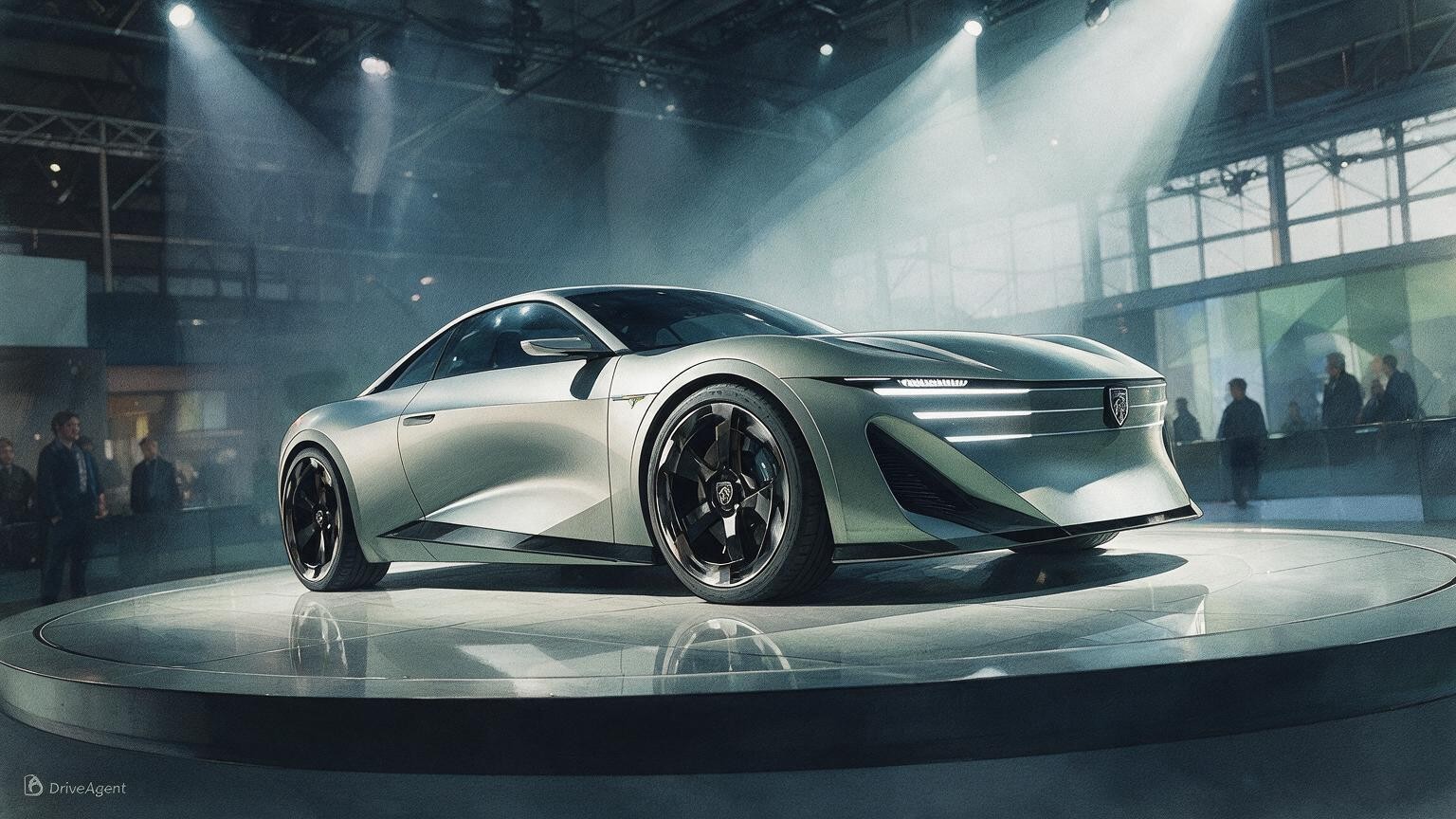
Peugeot RCZ Vision concept revealed in Paris with 500hp, solid-state battery and 600km target
Peugeot has unveiled the RCZ Vision electric coupe concept at the 2026 Paris motor show, pairing a 110mm solid-state battery and 1000V architecture with claimed 500hp, up to 600km of range and 10-minute 10–80 per cent charging – though production remains unconfirmed.