CATL advances all-solid-state battery programme to 20 Ah sample stage, keeps 2027 small-batch target
CATL told investors on the Shenzhen Stock Exchange that its sulphide all-solid-state battery cells have moved from a 10 Ah-class validation platform into 20 Ah sample trials, while reaffirming small-batch production in 2027 and mass production around 2030. Both dates remain targets, and the chairman still rates the technology at level 4 on a nine-level maturity scale.
Synthesised from the cited sources. Research, writing and factual checks are automated using AI. Verify details against the sources. How we produce these reports
What CATL told investors
On October 27, CATL responded to investor questions about its sulphide solid-state pilot base in Hefei on the Shenzhen Stock Exchange's Hudongyi platform, saying it remains firmly committed to all-solid-state batteries, that its technology is at an industry-leading level, and that it expects to achieve small-batch production in 2027. As reported by Shanghai Metals Market, the statement is consistent with the schedule the company has previously disclosed: small-scale trial production beginning in 2027 and moving towards large-scale mass production around 2030. 21
CarNewsChina, which cites Y-Auto for the underlying company response, reports that CATL has not confirmed the target energy density as a production-cell specification, and has not disclosed expected trial output, automotive customers or a vehicle launch date tied to these cells. The company's milestones are development targets rather than confirmed vehicle supply commitments. 1
From 10 Ah validation platform to 20 Ah samples
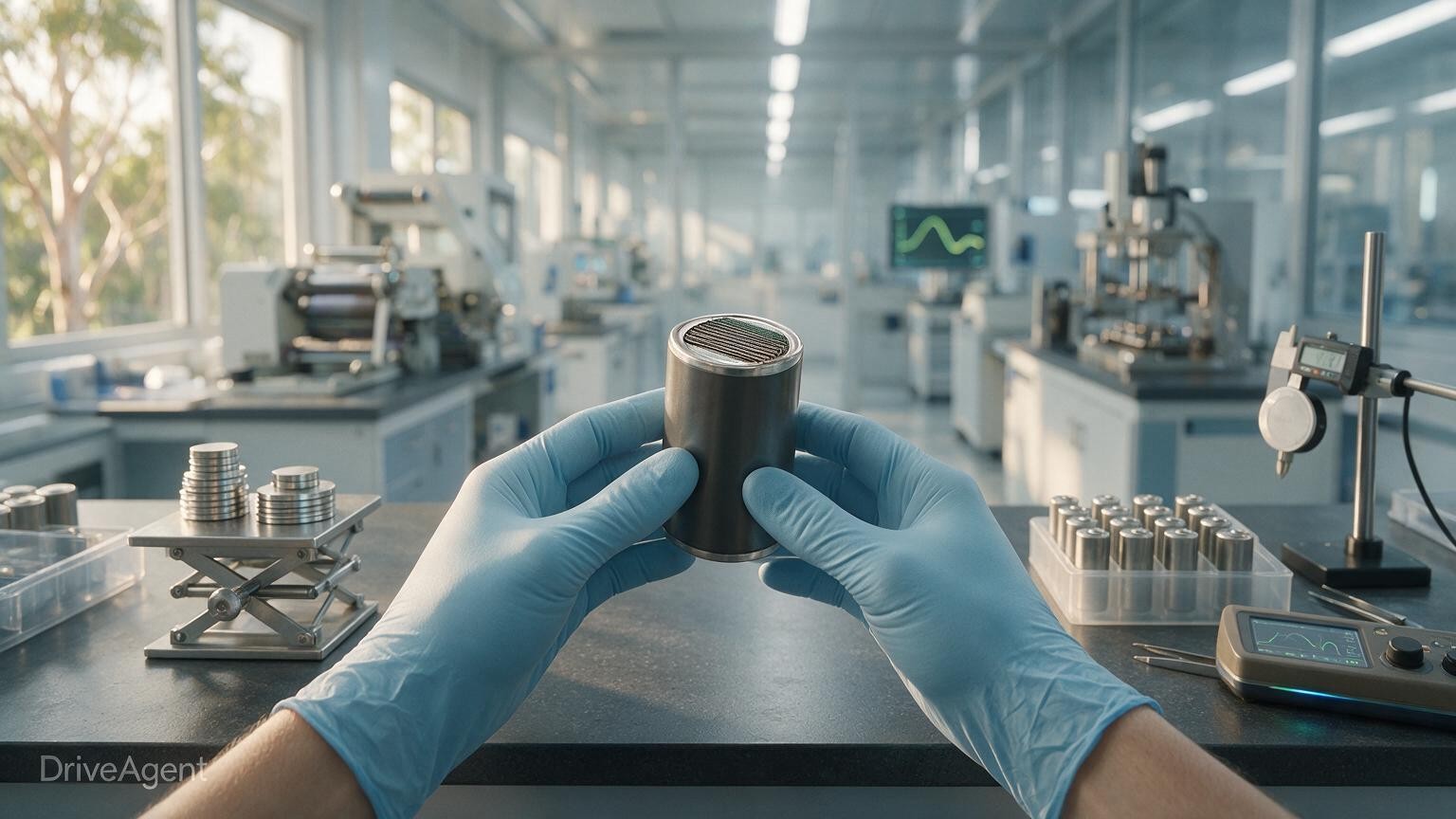
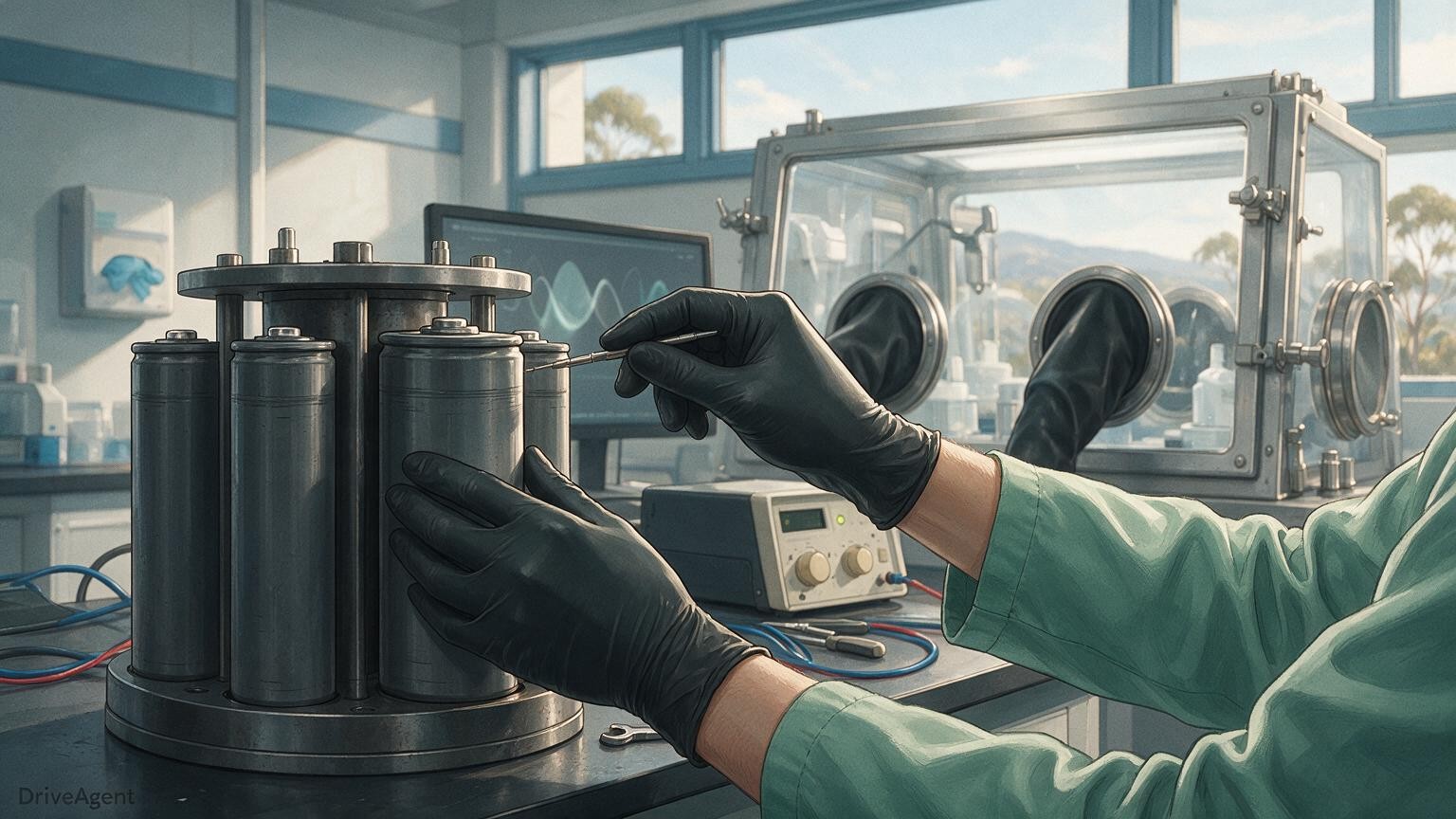
According to CATL's technology roadmap as summarised by Shanghai Metals Market, the company focuses primarily on the sulphide system, has built a 10Ah-class validation platform, and its sulphide solid-state batteries have now entered the 20Ah sample trial production stage, targeting an energy density of approximately 500Wh/kg. The figure is a development goal, not a stated production-cell specification. 21
The programme is supported by substantial research spending. CATL's 2025 annual report shows R&D expenses of 22.147 billion yuan for the year, up 19.02 per cent year on year, and the all-solid-state battery R&D team has expanded to more than 1,000 people. 2
Notebookcheck adds context on the pace of change: CATL first pushed back against solid-state battery hype, with chairman Robin Zeng citing ten years of research and favouring sodium-ion and semi-solid cells, before later targeting 2027 small-batch output at roughly 1 per cent penetration and 500 Wh/kg. In October 2025 the company confirmed the timeframe but warned about scale, pointing to applications in drones and robots before mass-market EVs. 3
Engineering and cost hurdles remain
The company's own leadership has tempered expectations. Chairman Zeng Yuqun previously acknowledged at the Summer Davos Forum that if technology maturity is rated on a scale of 1 to 9, all-solid-state batteries currently stand at only level 4, and that industrialisation still faces practical constraints in engineering and cost. Notebookcheck notes chief scientist Wu Kai previously predicted a rating of 8/9 by 2027, while Zeng said reliability, supply and market acceptance matter as much as the chemistry. 23
CarNewsChina's analysis outlines what the cells still need to prove. Energy density is only one measure: durability, manufacturing yield, cost, safety and performance under real operating conditions will determine suitability for production vehicles. Sulphide electrolytes conduct lithium ions effectively, but maintaining stable contact between solid components is a challenge because electrodes expand and contract during charging and discharging, disrupting interfaces; cell design must manage contact pressure and interface resistance. Sulphide materials also require protection from moisture because reactions can release hydrogen sulfide (H₂S), a toxic gas, making material handling and manufacturing conditions important for commercial production. 1
CATL has not disclosed the anode configuration used in the cells covered by its latest update. CarNewsChina notes that a 500 Wh/kg goal raises questions about electrode design, since such high cell-level energy density can involve higher-capacity anode architectures including lithium-metal or anode-less designs — for example, Samsung SDI has described an anode-less approach for its own all-solid-state cells. 1
How CATL's timeline compares with rivals
2027 is not a milestone unique to CATL. According to Shanghai Metals Market, Samsung SDI has set its all-solid-state battery mass production target for the second half of 2027, Toyota's sulphide-route mass production preparations also point to the same period, and BYD has likewise set small-batch production in 2027 as its goal — a convergence of top-tier players in China, Japan and South Korea on the small-batch introduction window. 2
CarNewsChina cautions that these milestones are not directly equivalent. It reports that Toyota and Idemitsu aim to commercialise sulphide-based all-solid-state batteries for battery-electric vehicles between 2027 and 2028, while Samsung SDI has identified humanoid robots as a potential early application for its technology even as it continues development for EVs. The timelines do not mean the companies' products will reach the market at the same time, in comparable volumes, or with equivalent performance. Notebookcheck separately notes startup activity including Eve Energy's production of 10 Ah sulphide cells at 300 Wh/kg for drones and humanoid robots, Sunwoda's 400 Wh/kg polymer cell and 520 Wh/kg prototype, and Toyota aiming for premium Lexus models at a higher price than liquid-electrolyte equivalents. 13
Regulation and the road to mass production
China is also working to standardise the technology. Notebookcheck reports that the country's first solid-state standardisation effort separates hybrid cells with about 5 per cent liquid and 95 per cent solid electrolyte from true solid-state ones, and that Beijing's five-year plan has set 2030 for initial solid-state batteries produced at mass scale for everyday electric vehicles. CATL, which once dismissed the hybrid solid-liquid approach as impractical, has since embraced it as a bridge technology. 3
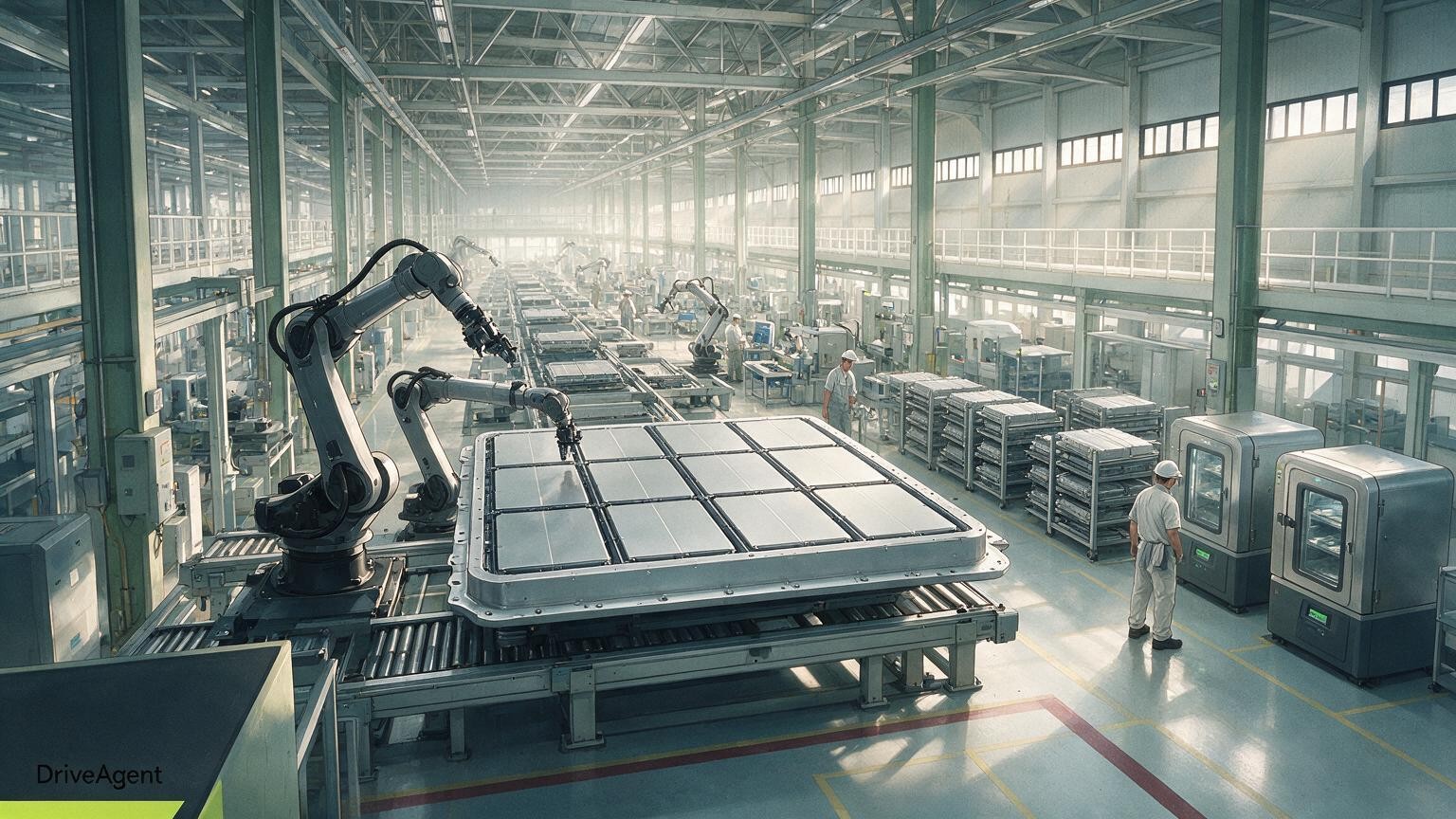
CarNewsChina also draws a distinction between cell types: all-solid-state batteries use a solid electrolyte rather than a liquid one, while semi-solid and hybrid designs retain some liquid electrolyte, with terminology and configurations varying by manufacturer. Progress with a semi-solid design does not, by itself, show that a company has overcome the interface, durability and manufacturing challenges of an all-solid-state cell. For CATL, the central challenge is turning current development work into repeatable, cost-competitive production. 1
No Australian-market availability, vehicle fitment or pricing implications follow from this announcement. CATL's update concerns cell development and production targets in its original China market; the company has not disclosed automotive customers or a vehicle launch date tied to the 20 Ah sample cells, and the 2027 and 2030 milestones remain forecasts. 1
AI evidence finder
Ask about this article
Ask a question to find relevant published passages and source links. AI selects evidence; the passages remain exactly as published.
Behind this report
Sources & context
Cited source mix
3 cited pages across 3 websites
- Role not assessed 3
Website breakdown
- carnewschina.com1 page
- news.metal.com1 page
- notebookcheck.net1 page
3 cited pages with an undocumented publisher role. Websites may share ownership or repeat the same reporting.
Saved research extracts
3 / 3 cited pages with saved extracts
0 shortened at our text limit · 0 without a saved-extract record
Extracts retrieved 28 Oct 2026.
Extracts can omit page content. These counts do not verify claims or measure independent reporting. Political leaning and reliability are not rated.
- CATL reports 20Ah solid-state battery samples, with production milestones still targetsRole not assessedSource extract saved
Why these labels?CATL reports 20Ah solid-state battery samples, with production milestones still targets
Who produced it
We have not documented this publisher’s role. An unassigned label is not a negative rating.
How this report uses it
Cited in 8 paragraphs: What CATL told investors; From 10 Ah validation platform to 20 Ah samples; Engineering and cost hurdles remain; How CATL's timeline compares with rivals; Regulation and the road to mass production.
This describes its use in our report. It does not establish the source’s editorial stance or independently corroborate every claim.
Evidence record
Text retrieved 28 Oct 2026. The retained extract did not reach our text limit. Extraction can still omit page content.
- CATL: All-Solid-State Battery to Enter Small-Batch Production in 2027 - Shanghai Metals Market (SMM)Role not assessedSource extract saved
Why these labels?CATL: All-Solid-State Battery to Enter Small-Batch Production in 2027 - Shanghai Metals Market (SMM)
Who produced it
We have not documented this publisher’s role. An unassigned label is not a negative rating.
How this report uses it
Cited in 5 paragraphs: What CATL told investors; From 10 Ah validation platform to 20 Ah samples; Engineering and cost hurdles remain; How CATL's timeline compares with rivals.
This describes its use in our report. It does not establish the source’s editorial stance or independently corroborate every claim.
Evidence record
Text retrieved 28 Oct 2026. The retained extract did not reach our text limit. Extraction can still omit page content.
- CATL sets 'industry-leading' solid-state battery production timelineRole not assessedSource extract saved
Why these labels?CATL sets 'industry-leading' solid-state battery production timeline
Who produced it
We have not documented this publisher’s role. An unassigned label is not a negative rating.
How this report uses it
Cited in 4 paragraphs: From 10 Ah validation platform to 20 Ah samples; Engineering and cost hurdles remain; How CATL's timeline compares with rivals; Regulation and the road to mass production.
This describes its use in our report. It does not establish the source’s editorial stance or independently corroborate every claim.
Evidence record
Text retrieved 28 Oct 2026. The retained extract did not reach our text limit. Extraction can still omit page content.
Keep reading
Related subjects and more from this section.
Chery sets 2027 pilot-line start for Rhinoceros S solid-state battery and details separate 12C fast-charging cells
Chery's Rhinoceros Battery roadmap unveiled at the 2026 Global Innovation Conference adds a dedicated solid-state pilot line scheduled for 2027, while its liquid-electrolyte cells are rated for 12C peak charging — two distinct technologies that should not be conflated. CarNewsChina reports the details and the caveats.