COP31 '35 by 35' electrification pledge puts electric vehicles at the centre of a global push
The Turkish COP31 presidency, co-hosting with Australia, is championing a target to lift electricity's share of global final energy demand to 35 per cent by 2035, with the IEA calling it economically achievable and electric cars a key lever in advanced economies.
Synthesised from the cited sources. Research, writing and factual checks are automated using AI. Verify details against the sources. How we produce these reports
The pledge and the summit
The Turkish presidency of COP31, to be held in Antalya from November 9 to 20, 2026, has made global electrification one of its three headline priorities, Climate Fact Checks reports. The proposed '35 by 35' pledge would lift electricity's share of global final energy demand from about 23 per cent today to 35 per cent within nine years, requiring an increase of roughly 1.2 percentage points every year, about four times the pace recorded since 2010. 7
Carbon Tracker notes the summit carries an unusual co-hosting arrangement between Türkiye and Australia, and that COP31 is being described as an 'implementation COP' with no single major negotiated decision expected, giving the electrification target particular prominence. 4
Business Standard reports that Murat Kurum, the Turkish president-designate of the Antalya summit, told industry newsletter Carbon Brief that the plan was prepared with the International Energy Agency and the International Renewable Energy Agency, keeps the 1.5-degree target within reach and builds on the COP28 goals to triple renewable capacity and double energy efficiency by 2030. Kurum said the Brazilian and Ethiopian presidencies of COP30 and COP32, along with the European Union, UK and Canada, have confirmed electrification will be central to discussions at COP31. 2
Electric vehicles in the electrification equation
Transport is the furthest behind of the major sectors in electrification, at around 2 per cent of energy needs, against nearly 40 per cent in buildings and just under 30 per cent in industry, Climate Fact Checks reports from the IEA analysis. Under a pathway consistent with limiting warming to 1.5°C, electricity would need to account for 13 per cent of transport energy use by 2035. The IEA analysis cited in the report notes advanced economies and China account for three out of four cars on the road, making electric cars a priority electrification area there, while developing countries may see larger opportunities in electric two- and three-wheelers. 7
Greentech Lead reports the IEA expects electric vehicles to account for approximately 29 per cent of worldwide car sales in 2026, after electric car sales exceeded 20 million units in 2025, up about 20 per cent year on year and representing roughly one quarter of global new-car sales. Adoption is strongest in China, where EVs are expected to exceed 60 per cent of new-car sales in 2026. The IEA Global EV Outlook 2026 projects the global EV fleet, excluding electric two- and three-wheelers, could exceed 450 million vehicles by 2035 under current policies, more than five times the end-2025 level. 5
Every additional electric vehicle shifts energy demand from petroleum products toward electricity, directly contributing to the broader electrification objective, Greentech Lead's analysis notes, while industrial electrification for high-temperature processes such as steel, cement and chemicals remains harder and may require hydrogen and other technologies alongside direct electricity. 5
Is the target achievable, and at what cost?
The IEA, in a report prepared for the COP31 presidency, found the target economically achievable as the costs of many electric technologies continue to fall, Climate Fact Checks reports. At 2026 prices, the agency estimates increasing electricity's share to about 33 per cent of global energy use would already be cost-effective, and end-use emissions could fall by 40 per cent by 2035 if the 35 per cent target is achieved. The Energy Transitions Commission, separately supporting the target, says clean electrification can cut around 60 per cent of global greenhouse gas emissions at little or no extra cost, since heat pumps and electric vehicles need about a third of the energy of the boilers and engines they replace. 73
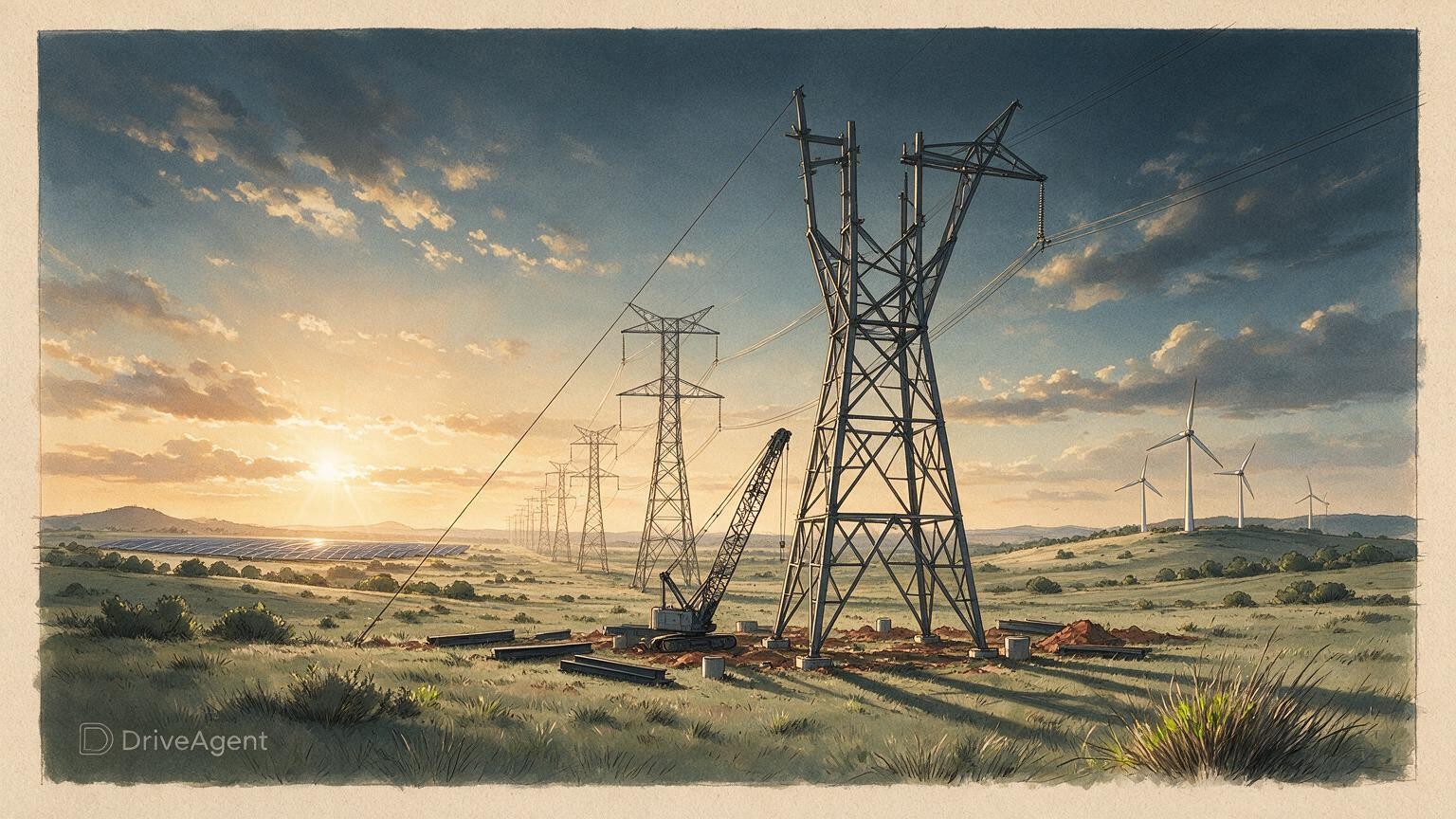
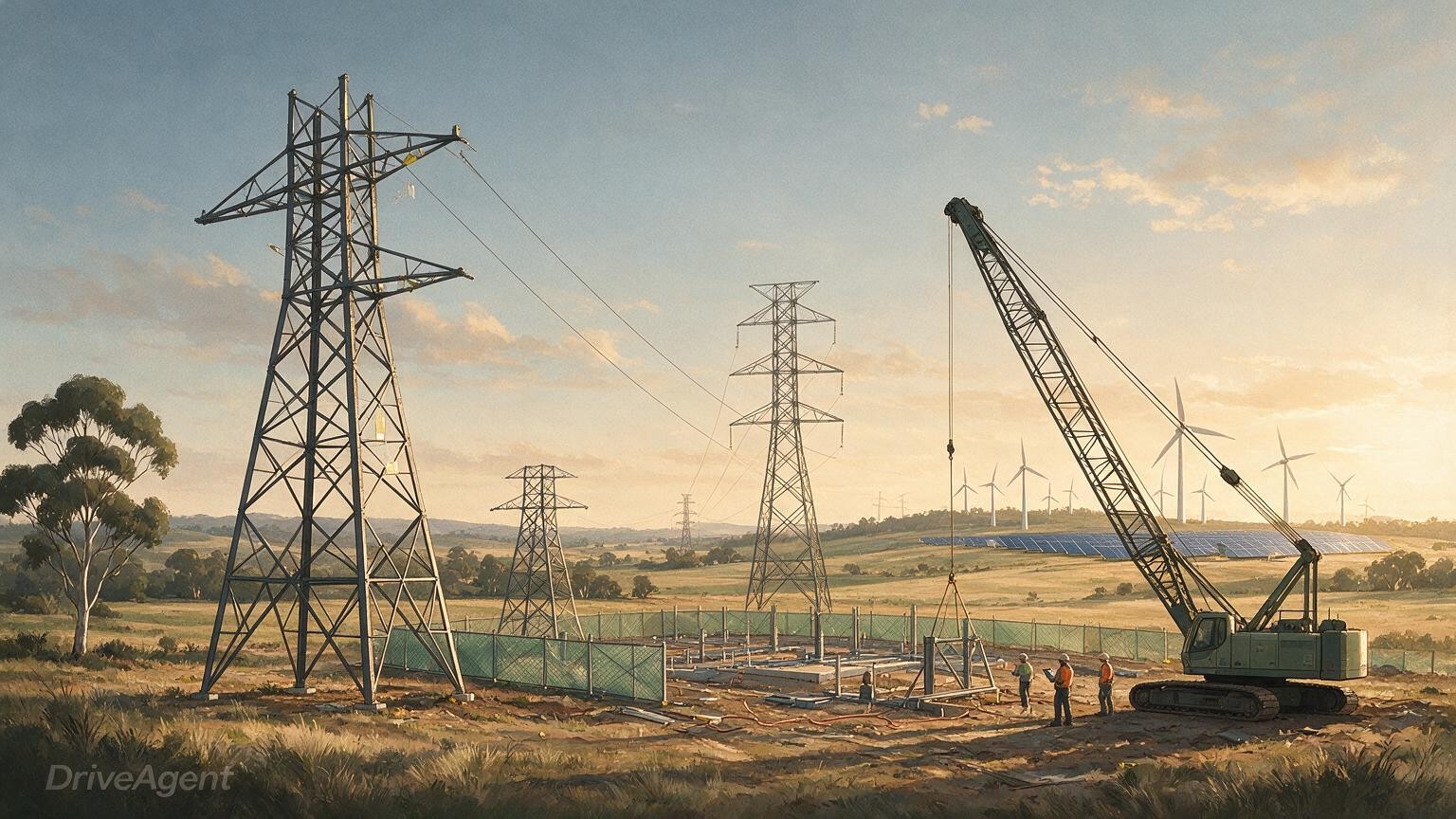
The infrastructure and financing challenge is substantial. Climate Fact Checks reports the IEA estimates reaching 35 per cent would add about 1,400 terawatt-hours of electricity demand each year and require grids to expand 40 per cent faster than in the past, with more than 2,500 gigawatts of renewable, storage and large-load projects already waiting for grid connections worldwide. Annual end-use electrification investment is expected to rise from roughly $320 billion to $1 trillion by 2035, and the cost of capital for clean-energy projects can be two to three times higher in emerging economies than in advanced economies and China. 7
Greentech Lead adds that grid infrastructure could become one of the biggest obstacles: annual grid investment stands at about $400 billion and the IEA estimates it must rise around 50 per cent, approaching $600 billion a year, while new transmission and distribution can take 5-15 years to plan and build against 1-2 years for EV charging infrastructure. 5
Renewable power must grow with it
Germanwatch, in an analysis by senior advisor Kerstin Opfer, argues the proposed '35 by 35' target does not sufficiently address where the electricity will come from. Without a clear renewable-energy component, countries could increase electricity consumption while continuing to rely on fossil-fuelled power, which 'would miss the point'. Greenpeace UK's COP31 briefing goes further, urging the UK to champion a target in which at least 75 per cent of electricity generation comes from renewable sources, treated as a floor rather than a ceiling. 61
The Energy Transitions Commission's October 2026 briefing illustrates the coordination problem: in China, new wind and solar met rising demand in 2025 and coal power fell for the first time in a decade, but in early 2026 grid bottlenecks left up to 10 per cent of wind and solar unused, so coal filled the gap again. Greentech Lead reports the IEA projects solar and wind's combined share of global electricity generation to rise from about 17 per cent currently to 27 per cent by 2030, increasing demand for battery storage to shift renewable output between generation and demand peaks. 35
Different starting points, and the Australian co-hosting context
Business Standard's reporting from India highlights how uneven the starting positions are. India's energy mix remains over 75 per cent fossil fuels, with electrification at only 18-20 per cent, and the country has historically lifted electrification by only 4-5 percentage points a decade. China, described as arguably the world's first electrostate with electricity at around 30 per cent of its energy mix, has set a 35 per cent electrification share by 2030, five years ahead of the global target, alongside a five-year plan aiming for 70 per cent of new cars and 40 per cent of new commercial vehicles to be electric by 2030. 2
Business Standard also records a critical open question: former power ministry special secretary Ajay Shankar noted there is no statement from Türkiye on reaching net zero, giving up fossil fuels or reducing their consumption, while Climate Action Tracker rates both Türkiye's and India's climate pledges as 'highly insufficient'. Türkiye still has the most coal-fired power capacity in Europe, and its power-sector fossil emissions were at their highest last year, the publication reports, citing Climate Home News. 2
Carbon Tracker notes that among the coalition members pressing for progress, questions arise about whether domestic policies match claims to international leadership, pointing to the Australian government, where fossil fuel production policy 'is moving in a different direction'. For Australian readers, the country's co-hosting role places it at the centre of the EV-driven electrification debate at Antalya, even as the pledge itself remains a proposal ahead of the November summit. 4
AI evidence finder
Ask about this article
Ask a question to find relevant published passages and source links. AI selects evidence; the passages remain exactly as published.
Fact check
Not yet assessedA claim-by-claim assessment is not yet available. Review the sources below.
Our sourcing and editorial standardsBehind this report
Sources & context
Cited source mix
7 cited pages across 7 websites
- Role not assessed 7
Website breakdown
- business-standard.com1 page
- carbontracker.org1 page
- climatefactchecks.org1 page
- energy-transitions.org1 page
- germanwatch.org1 page
- greenpeace.org.uk1 page
- greentechlead.com1 page
7 cited pages with an undocumented publisher role. Websites may share ownership or repeat the same reporting.
Saved research extracts
7 / 7 cited pages with saved extracts
0 shortened at our text limit · 0 without a saved-extract record
Extracts retrieved 31 Oct 2026.
Extracts can omit page content. These counts do not verify claims or measure independent reporting. Political leaning and reliability are not rated.
- COP31: A historic opportunity for the UK GovernmentRole not assessedSource extract saved
Why these labels?COP31: A historic opportunity for the UK Government
Who produced it
We have not documented this publisher’s role. An unassigned label is not a negative rating.
How this report uses it
Cited in 1 paragraph: Renewable power must grow with it.
This describes its use in our report. It does not establish the source’s editorial stance or independently corroborate every claim.
Evidence record
Text retrieved 31 Oct 2026. The retained extract did not reach our text limit. Extraction can still omit page content.
- www.business-standard.com › industry › newsThe age of electrostates: India faces a long road to ...Role not assessedSource extract saved
Why these labels?www.business-standard.com › industry › newsThe age of electrostates: India faces a long road to ...
Who produced it
We have not documented this publisher’s role. An unassigned label is not a negative rating.
How this report uses it
Cited in 3 paragraphs: The pledge and the summit; Different starting points, and the Australian co-hosting context.
This describes its use in our report. It does not establish the source’s editorial stance or independently corroborate every claim.
Evidence record
Text retrieved 31 Oct 2026. The retained extract did not reach our text limit. Extraction can still omit page content.
- Coordinating Clean Power and Demand at ScaleRole not assessedSource extract saved
Why these labels?Coordinating Clean Power and Demand at Scale
Who produced it
We have not documented this publisher’s role. An unassigned label is not a negative rating.
How this report uses it
Cited in 2 paragraphs: Is the target achievable, and at what cost?; Renewable power must grow with it.
This describes its use in our report. It does not establish the source’s editorial stance or independently corroborate every claim.
Evidence record
Text retrieved 31 Oct 2026. The retained extract did not reach our text limit. Extraction can still omit page content.
- Can a Sweltering Summer Create an Autumn of Opportunity for the Transition? - Carbon Tracker InitiativeRole not assessedSource extract saved
Why these labels?Can a Sweltering Summer Create an Autumn of Opportunity for the Transition? - Carbon Tracker Initiative
Who produced it
We have not documented this publisher’s role. An unassigned label is not a negative rating.
How this report uses it
Cited in 2 paragraphs: The pledge and the summit; Different starting points, and the Australian co-hosting context.
This describes its use in our report. It does not establish the source’s editorial stance or independently corroborate every claim.
Evidence record
Text retrieved 31 Oct 2026. The retained extract did not reach our text limit. Extraction can still omit page content.
- COP31 ‘35 by 35’ Pledge Targets 35% Global Electrification by ...Role not assessedSource extract saved
Why these labels?COP31 ‘35 by 35’ Pledge Targets 35% Global Electrification by ...
Who produced it
We have not documented this publisher’s role. An unassigned label is not a negative rating.
How this report uses it
Cited in 4 paragraphs: Electric vehicles in the electrification equation; Is the target achievable, and at what cost?; Renewable power must grow with it.
This describes its use in our report. It does not establish the source’s editorial stance or independently corroborate every claim.
Evidence record
Text retrieved 31 Oct 2026. The retained extract did not reach our text limit. Extraction can still omit page content.
- Electrifying the Transition: How Renewable Power Can ...Role not assessedSource extract saved
Why these labels?Electrifying the Transition: How Renewable Power Can ...
Who produced it
We have not documented this publisher’s role. An unassigned label is not a negative rating.
How this report uses it
Cited in 1 paragraph: Renewable power must grow with it.
This describes its use in our report. It does not establish the source’s editorial stance or independently corroborate every claim.
Evidence record
Text retrieved 31 Oct 2026. The retained extract did not reach our text limit. Extraction can still omit page content.
- COP31’s ‘35 by 35’ Goal: Global Electrification Push Faces ...Role not assessedSource extract saved
Why these labels?COP31’s ‘35 by 35’ Goal: Global Electrification Push Faces ...
Who produced it
We have not documented this publisher’s role. An unassigned label is not a negative rating.
How this report uses it
Cited in 4 paragraphs: The pledge and the summit; Electric vehicles in the electrification equation; Is the target achievable, and at what cost?.
This describes its use in our report. It does not establish the source’s editorial stance or independently corroborate every claim.
Evidence record
Text retrieved 31 Oct 2026. The retained extract did not reach our text limit. Extraction can still omit page content.
Keep reading
Related subjects and more from this section.
Fuel economics push Australian fleets towards electrification as diesel costs bite
A JET Charge analysis published by AFMA estimates a 100-vehicle heavy fleet could save $4.5 million a year by switching from diesel to electric depot charging, while government and industry sources point to compressed transition timelines, infrastructure lead times and the fuel-security value of electrification as the key forces at work.