The Driven Podcast unpacks Australia's charging gaps, EV culture wars and the newly priced Lepas L6
The latest episode of The Driven Podcast takes on who EVs are really for, delays in NRMA's national charging rollout, the road-user charge debate and whether the newly priced Lepas L6 stands out, with Volkswagen's affordable ID. Buzz plans adding international context.
Synthesised from the cited sources. Research, writing and factual checks are automated using AI. Verify details against the sources. How we produce these reports
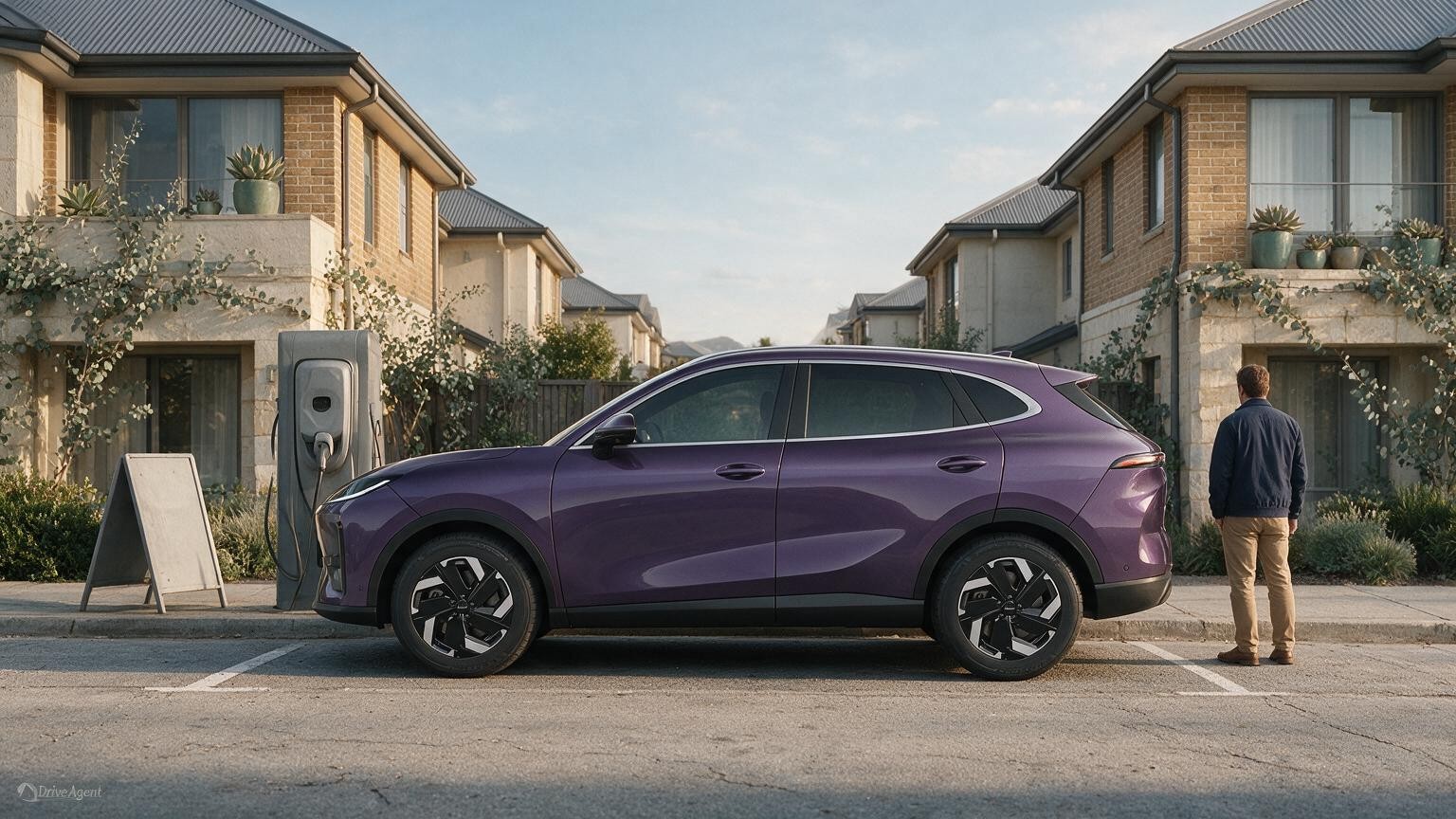
Culture wars and missing chargers
The Driven Podcast's newest episode, titled "New EVs, old arguments and missing chargers", asks whether the "wrong Australians" are buying electric cars or whether the debate is still running on the same tired arguments about who EVs are for. Hosts Sam Parkinson and Sarah Aubrey unpack the latest round of EV culture wars, according to the show's listing, separating what they present as legitimate concerns about charging access from sweeping claims about where electric cars do and do not belong. 2
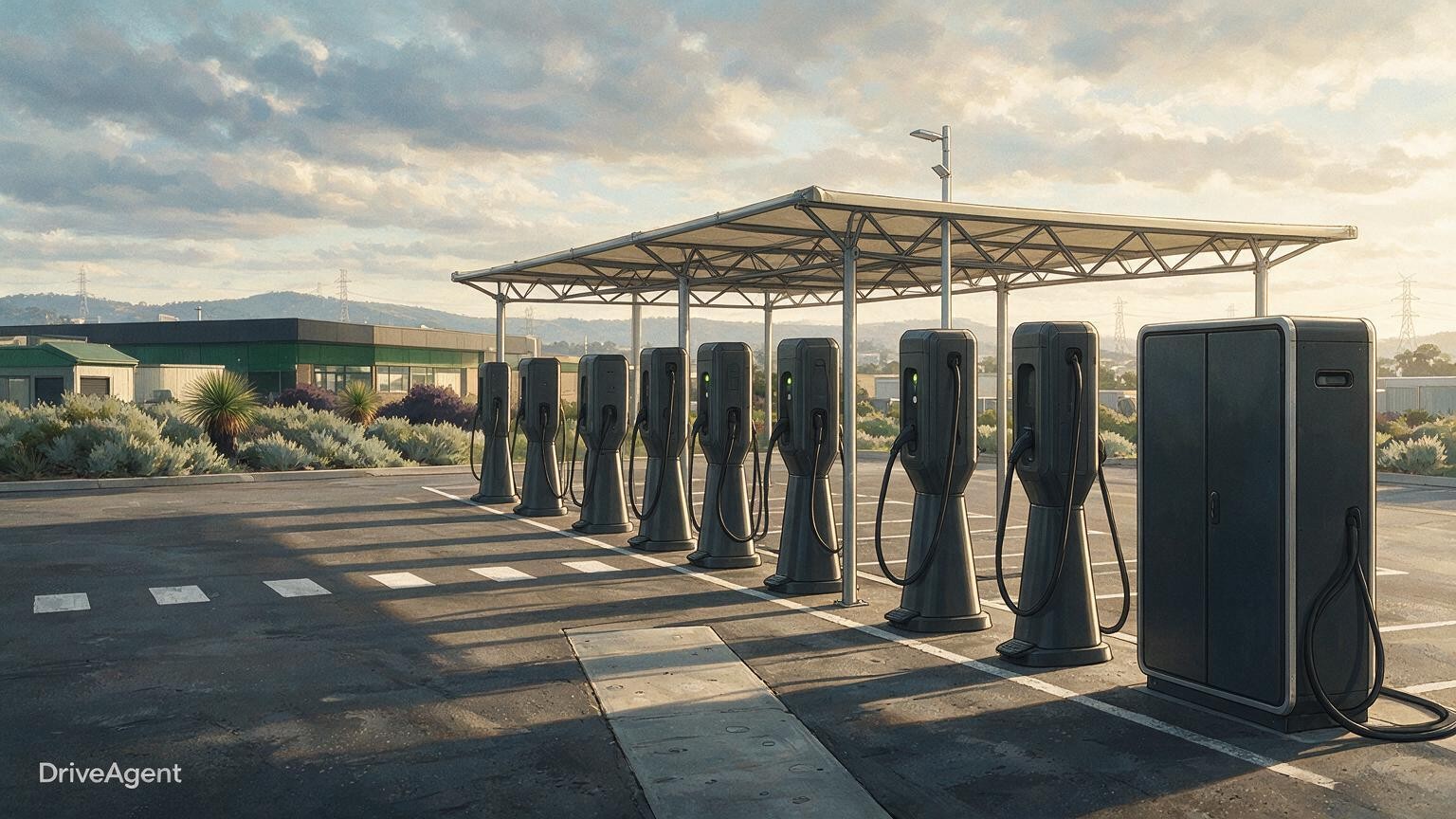
The charging-access question sits at the centre of the episode. The Driven Podcast discusses delays in NRMA's national charging rollout and the operator's heavily redacted report on the program, treating both as key evidence in the argument over whether Australia's charging network is keeping pace with electric car sales. 2
The road-user charge debate
Alongside the charging discussion, the episode debates what a fair road-user charge could look like for Australian electric vehicle owners. The Driven Podcast frames this as an open policy question rather than a settled one, weighing how such a charge might be structured without undermining the case for going electric. No specific proposed rates or implementation dates are set out in the episode listing. 2
Lepas L6 pricing under the microscope
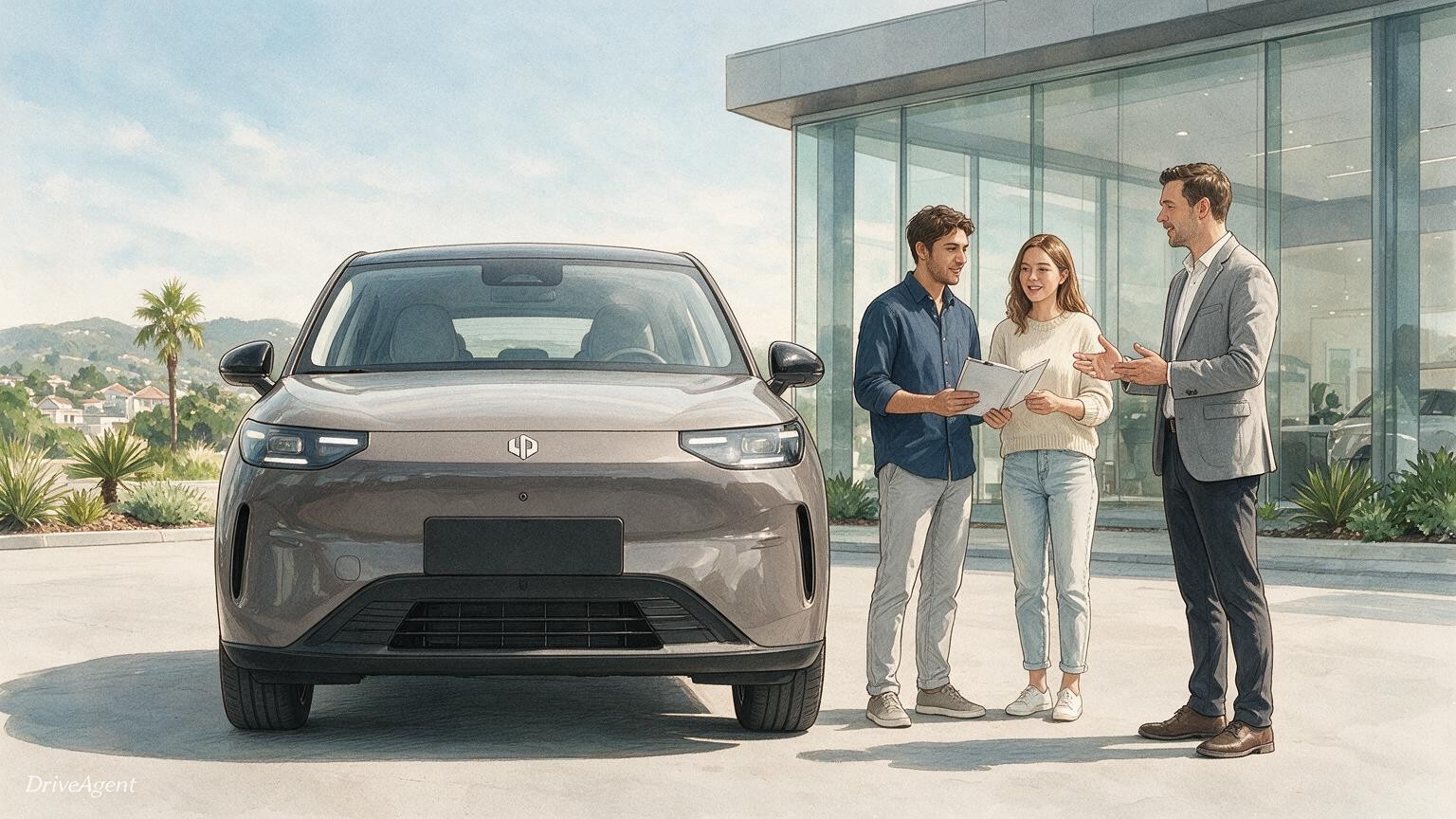
The podcast also turns to new model news, asking whether the newly priced Lepas L6 does enough to stand out in Australia's fast-crowding small electric vehicle market. The Driven Podcast's framing suggests the brand has now announced Australian pricing for the L6, but the episode listing does not state the figures, so buyers awaiting confirmed specifications and pricing details should rely on Lepas's official announcements. The question of whether personality and pricing are enough to differentiate another new entrant is treated as a matter for debate rather than a verdict. 2
Volkswagen promises a more affordable ID. Buzz
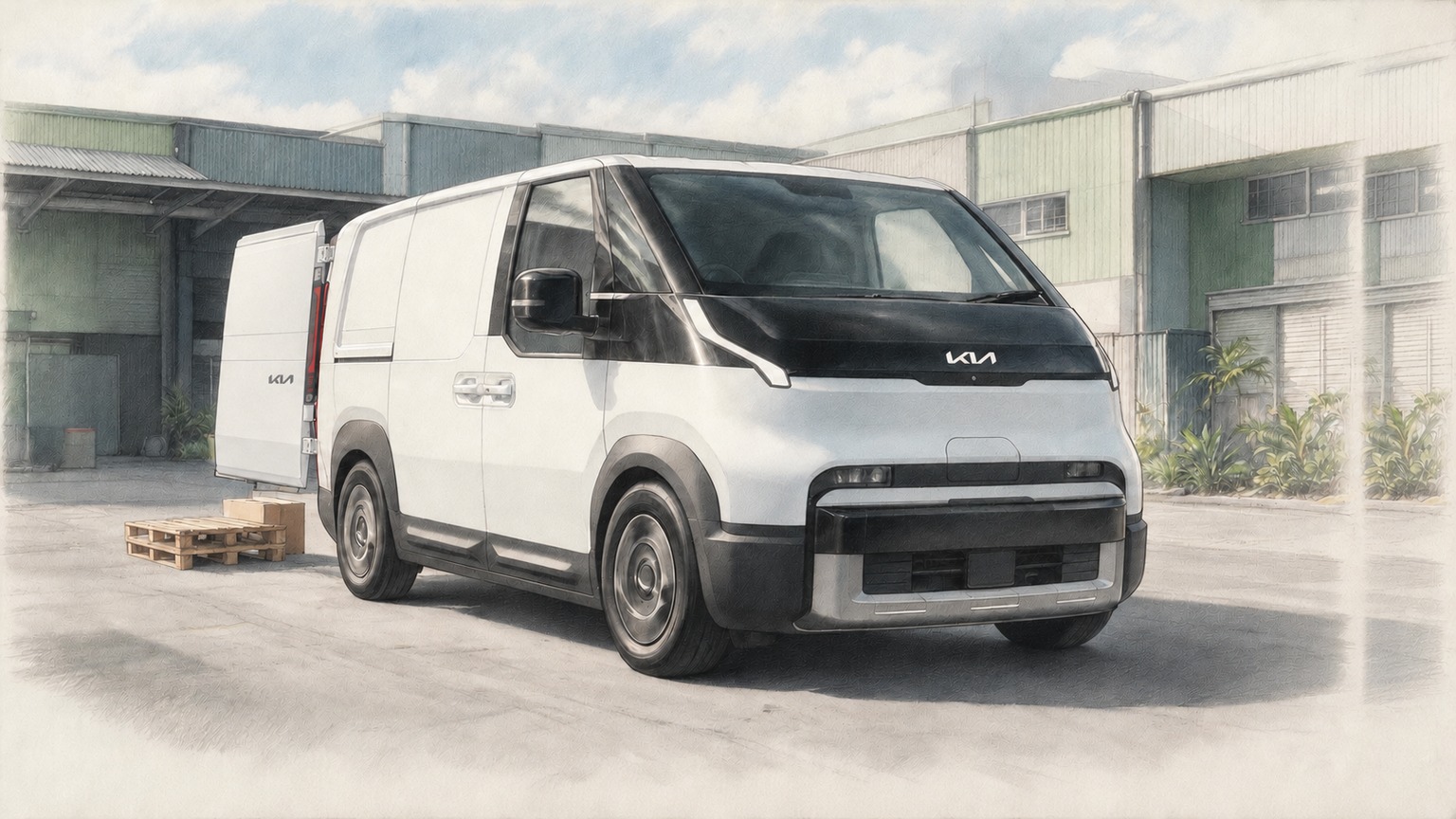
International news featured in the episode includes Volkswagen's promise of a more affordable ID. Buzz, along with highlights from the Paris motor show. According to the ev.news daily briefing, Volkswagen has confirmed a second-generation ID. Buzz that will use the brand's SSP platform to reduce production costs, although a lower showroom price and a launch date remain unconfirmed. That distinction matters: cost reductions are planned, but any price benefit to buyers has not yet been committed by the manufacturer. 21
Commercial buyers look central to the successor's prospects. ev.news reports that ID. Buzz deliveries rose 102 per cent to 60,700 in 2025, with Cargo versions accounting for around 46 per cent of that volume, meaning the next-generation model must appeal to fleet and family buyers alike if Volkswagen is to build on that growth. 1
Charging reliability: lessons from the build industry
The charging-infrastructure questions raised on the podcast echo what specialist reporting overseas has documented about why public charging can disappoint. Charged EV magazine interviewed Stephen Osborne, chief executive of Kansas-based construction firm Osborne, which says it has installed roughly a thousand charging locations and close to 4,000 DC fast chargers over the past decade for operators including Tesla, Electrify America, EVgo and IONNA. Osborne told Charged that many reliability failures trace back to construction shortcuts, and that his crews use a quality-control checklist covering details such as terminal torque settings and insulation testing before commissioning, alongside annual maintenance of connections and software. 3
Equipment efficiency and site design have also improved markedly. Osborne told Charged that newer charger systems report as much as 98 per cent efficiency compared with older units that could lose around 20 per cent of the energy an operator pays for, and that modern all-in-one chargers have shrunk the footprint of a 12-charger Georgia site from nearly an acre to roughly 2,000 square feet. He also flagged utility interconnection as a major source of delay and cost, recounting one project that faced nearly a million dollars in grid upgrades until the site was moved one parcel over, cutting the cost to about $15,000. 3
Standards and network availability have been part of the same international story. Reuters reporting carried by The Economic Times documented how Ford, General Motors and Rivian adopted Tesla's North American Charging Standard, with GM chief executive Mary Barra saying she was "really excited" to nearly double the chargers available to GM owners. The same reporting cited an S&P Global forecast that the United States charging network was "not nearly robust enough" for a maturing electric vehicle market and would need to quadruple between 2022 and 2025, with supply chain shortages, electricity contract negotiations and federal program delays slowing the rollout. 4
Those international findings give texture to the Australian argument the podcast raises. The specific problems discussed in the episode concern NRMA's local rollout and its redacted report, and there is no indication in the episode listing that the overseas examples directly explain the Australian delays. What the comparison does show is that charger reliability, grid connections and site delivery are recognised pressure points wherever public fast-charging networks are being built at scale. 234
What we were driving
The episode closes with the podcast's regular segment on what the hosts have been driving lately, according to the show's listing. The Driven Podcast is hosted by Sam Parkinson and Sarah Aubrey and covers electric vehicle news, reviews, policy shifts and clean transport developments in Australia and internationally, with new episodes released biweekly. 2
AI evidence finder
Ask about this article
Ask a question to find relevant published passages and source links. AI selects evidence; the passages remain exactly as published.
Behind this report
Sources & context
Cited source mix
4 cited pages across 3 websites
- Role not assessed 4
Website breakdown
- podcasts.apple.com2 pages
- chargedevs.com1 page
- economictimes.indiatimes.com1 page
4 cited pages with an undocumented publisher role. Websites may share ownership or repeat the same reporting.
Saved research extracts
4 / 4 cited pages with saved extracts
2 shortened at our text limit · 0 without a saved-extract record
Extracts retrieved 17 Oct 2026.
Extracts can omit page content. These counts do not verify claims or measure independent reporting. Political leaning and reliability are not rated.
- ev.news - PodcastRole not assessedShortened extract saved
Why these labels?ev.news - Podcast
Who produced it
We have not documented this publisher’s role. An unassigned label is not a negative rating.
How this report uses it
Cited in 2 paragraphs: Volkswagen promises a more affordable ID. Buzz.
This describes its use in our report. It does not establish the source’s editorial stance or independently corroborate every claim.
Evidence record
Text retrieved 17 Oct 2026. The retained extract was cut to our text limit; omitted material has not been assessed here.
- The Driven PodcastRole not assessedSource extract saved
Why these labels?The Driven Podcast
Who produced it
We have not documented this publisher’s role. An unassigned label is not a negative rating.
How this report uses it
Cited in 7 paragraphs: Culture wars and missing chargers; The road-user charge debate; Lepas L6 pricing under the microscope; Volkswagen promises a more affordable ID. Buzz; Charging reliability: lessons from the build industry; What we were driving.
This describes its use in our report. It does not establish the source’s editorial stance or independently corroborate every claim.
Evidence record
Text retrieved 17 Oct 2026. The retained extract did not reach our text limit. Extraction can still omit page content.
- Building charging hubs for Tesla, IONNA and EVgo: Inside Osborne’s workRole not assessedShortened extract saved
Why these labels?Building charging hubs for Tesla, IONNA and EVgo: Inside Osborne’s work
Who produced it
We have not documented this publisher’s role. An unassigned label is not a negative rating.
How this report uses it
Cited in 3 paragraphs: Charging reliability: lessons from the build industry.
This describes its use in our report. It does not establish the source’s editorial stance or independently corroborate every claim.
Evidence record
Text retrieved 17 Oct 2026. The retained extract was cut to our text limit; omitted material has not been assessed here.
- tesla chargers: Auto rivals embrace Tesla EV chargers in unusual bonhomie - The Economic TimesRole not assessedSource extract saved
Why these labels?tesla chargers: Auto rivals embrace Tesla EV chargers in unusual bonhomie - The Economic Times
Who produced it
We have not documented this publisher’s role. An unassigned label is not a negative rating.
How this report uses it
Cited in 2 paragraphs: Charging reliability: lessons from the build industry.
This describes its use in our report. It does not establish the source’s editorial stance or independently corroborate every claim.
Evidence record
Text retrieved 17 Oct 2026. The retained extract did not reach our text limit. Extraction can still omit page content.
Keep reading
Related subjects and more from this section.
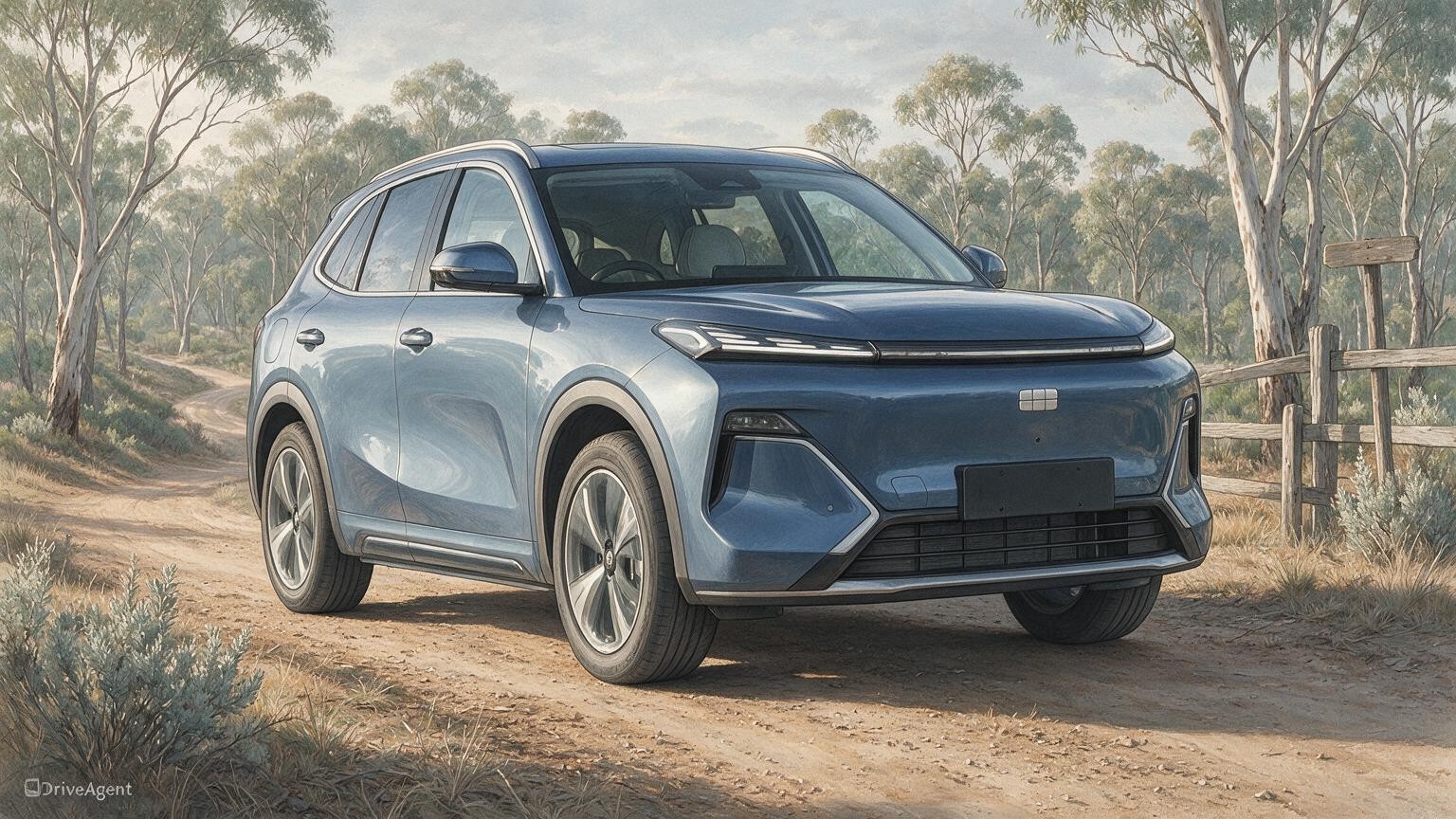
Geely Starray EM-i adds AWD flagship: 220kW plug-in hybrid SUV priced from $44,990
The 2027 Geely Starray EM-i range has grown to three grades with a new Inspire AWD flagship, adding a rear electric motor, 220kW system output and a claimed 130km EV range for $44,990 before on-road costs.