Ulm cathode pilot line Powder-Up! enters full operation, scaling battery materials to 100-kilogram batches
The Centre for Solar Energy and Hydrogen Research Baden-Württemberg says its Powder-Up! pilot line in Ulm is now fully operational, giving companies and researchers a factory-like route to scale new cathode materials from grams to batches of up to 100 kilograms.
Synthesised from the cited sources. Research, writing and factual checks are automated using AI. Verify details against the sources. How we produce these reports
Full operation confirmed in Ulm
The Centre for Solar Energy and Hydrogen Research Baden-Württemberg (ZSW) has announced that its Powder-Up! pilot line for battery cathode materials in Ulm is now running at full capacity. According to the institute's 27 October 2026 statement, reported by Automotive World, the facility scales newly developed cathode materials from laboratory samples to batches of up to 100 kilograms, a quantity needed to produce large-format cells for electric cars or stationary storage. ZSW describes Powder-Up! as the first independent plant of this type in Germany, and it is open to companies and other research institutions for joint projects. 137
The announcement closes a project that began as a funding commitment. In November 2021 the German Federal Ministry of Education and Research (BMBF) gave ZSW a binding pledge of about €20 million for the plant's machinery, with the initial development project funded at €19.77 million and scheduled to run for two years from a December 2021 start, according to ZSW's own announcements. Groundbreaking at Ulm Science Park followed on 18 November 2022, when ZSW said the plant should be up and running by December 2023. In the event, commissioning took place in March 2025 and full operation arrived in October 2026, so the timetable slipped well beyond the original target. 4561
What the line can do
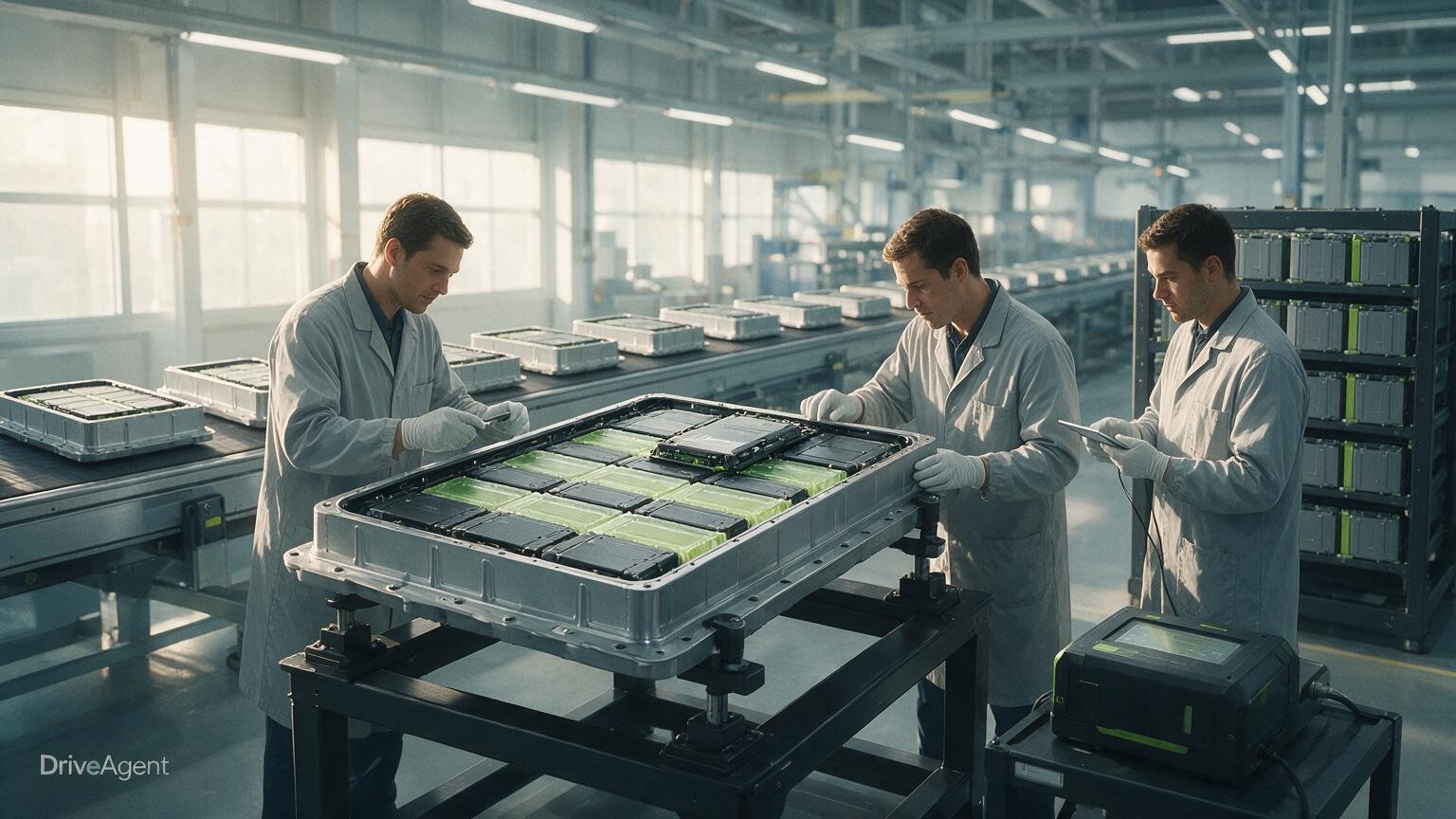
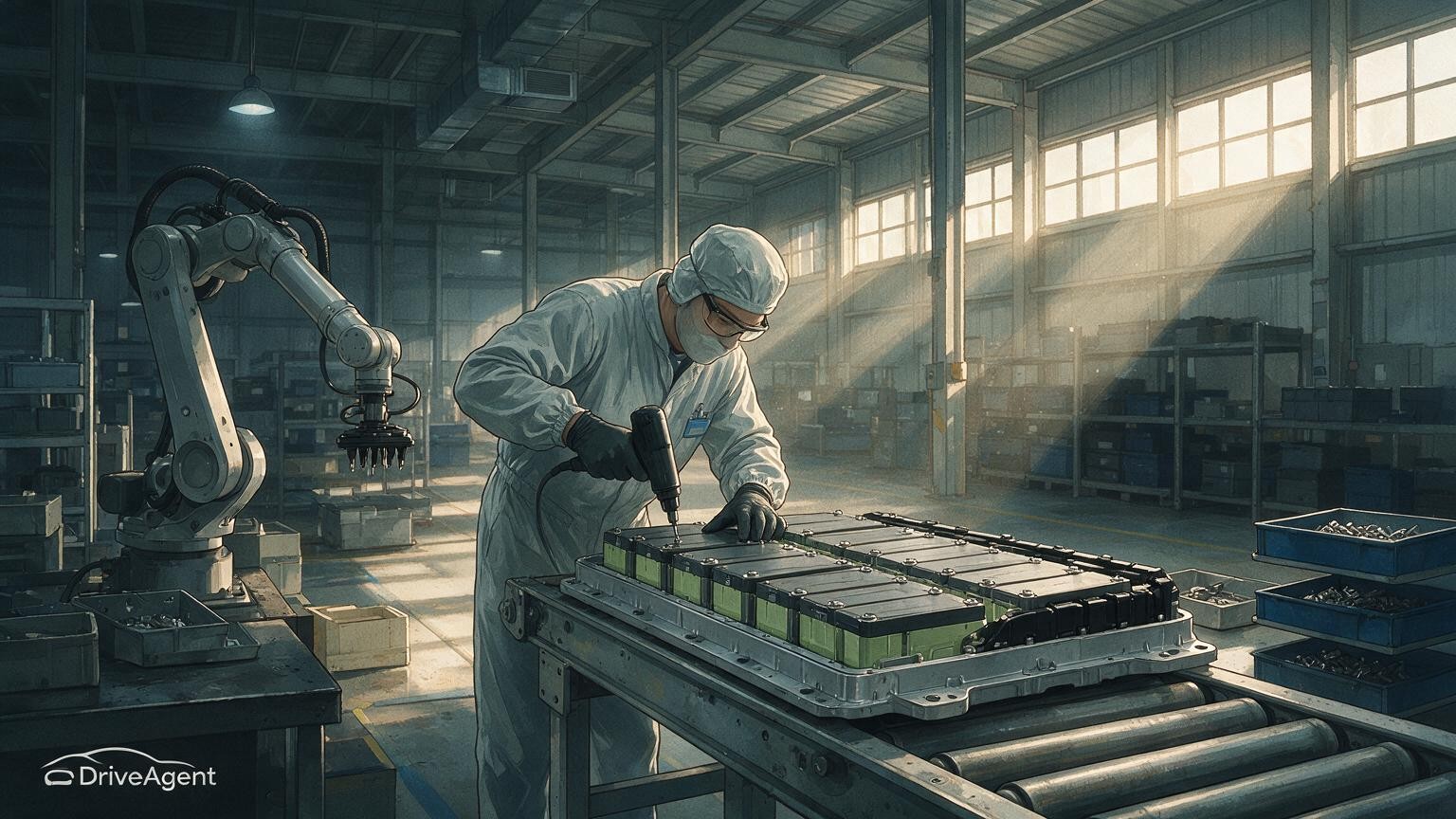
The Powder-Up! hall provides about 2,400 square metres of usable area and houses more than 135 connected systems and devices spanning the entire process chain, from material synthesis through processing, analysis and quality control to electrochemical testing. German technology publication elektro.net reports that companies can use the infrastructure to validate their own material concepts under near-industrial conditions or to develop new synthesis processes jointly with ZSW. All process and measurement data are captured digitally, which ZSW says shortens development cycles and provides the basis for AI-supported optimisation. 23
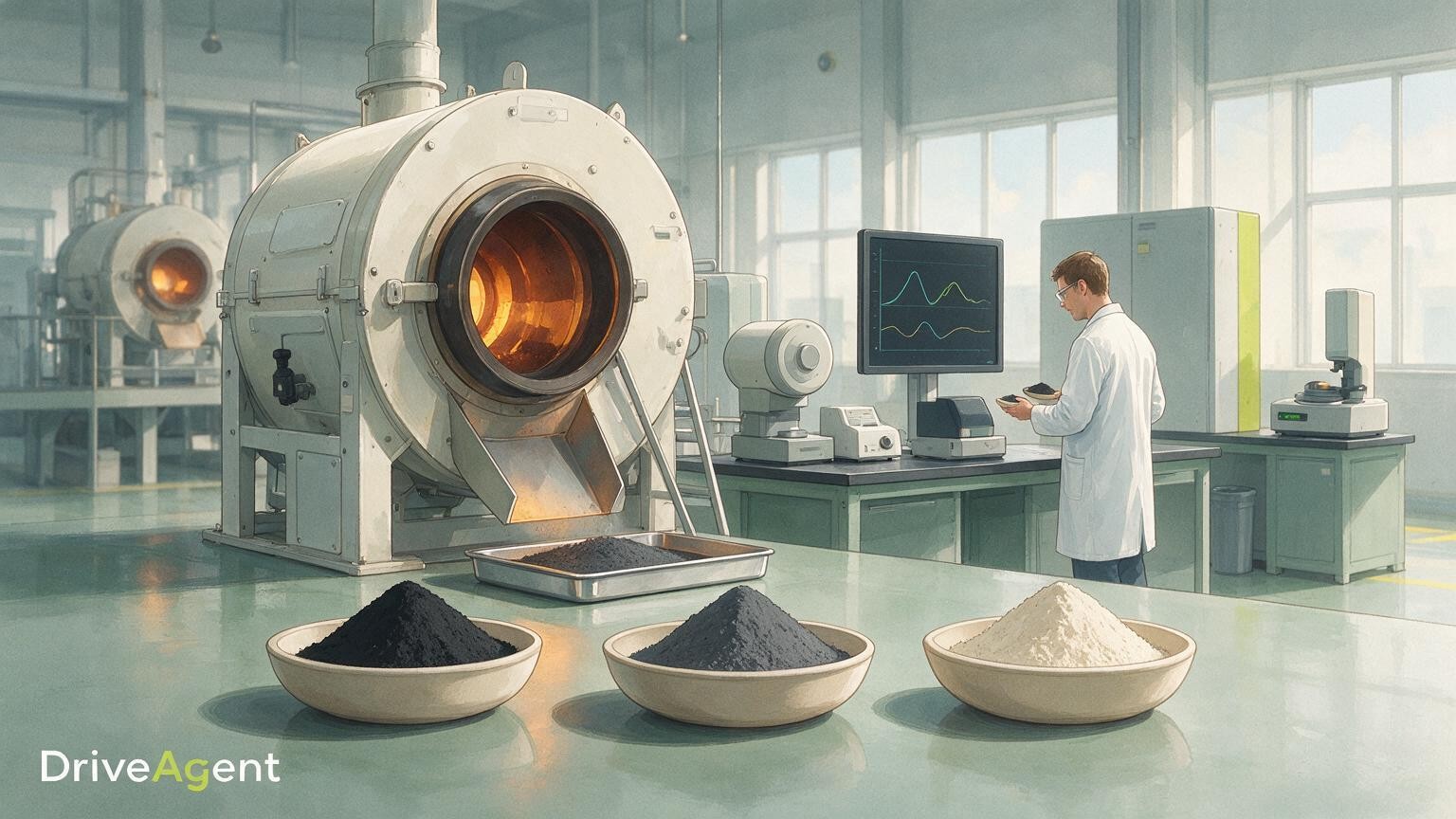
ZSW's 2021 project description set out the process in detail: the plant produces a precursor in a precipitation reaction using raw materials such as nickel and cobalt salts and sodium hydroxide, then processes it with lithium salts at temperatures up to 1,000 degrees Celsius before a final surface post-treatment. The equipment consists of machines that have proven themselves in industrial use, so powders are made under factory-like conditions, and the line can also be used to investigate individual production stages in isolation. ZSW additionally intends the shop floor to serve as a proving ground for newly developed manufacturing equipment, which the institute says benefits Germany's machine engineering sector. 45
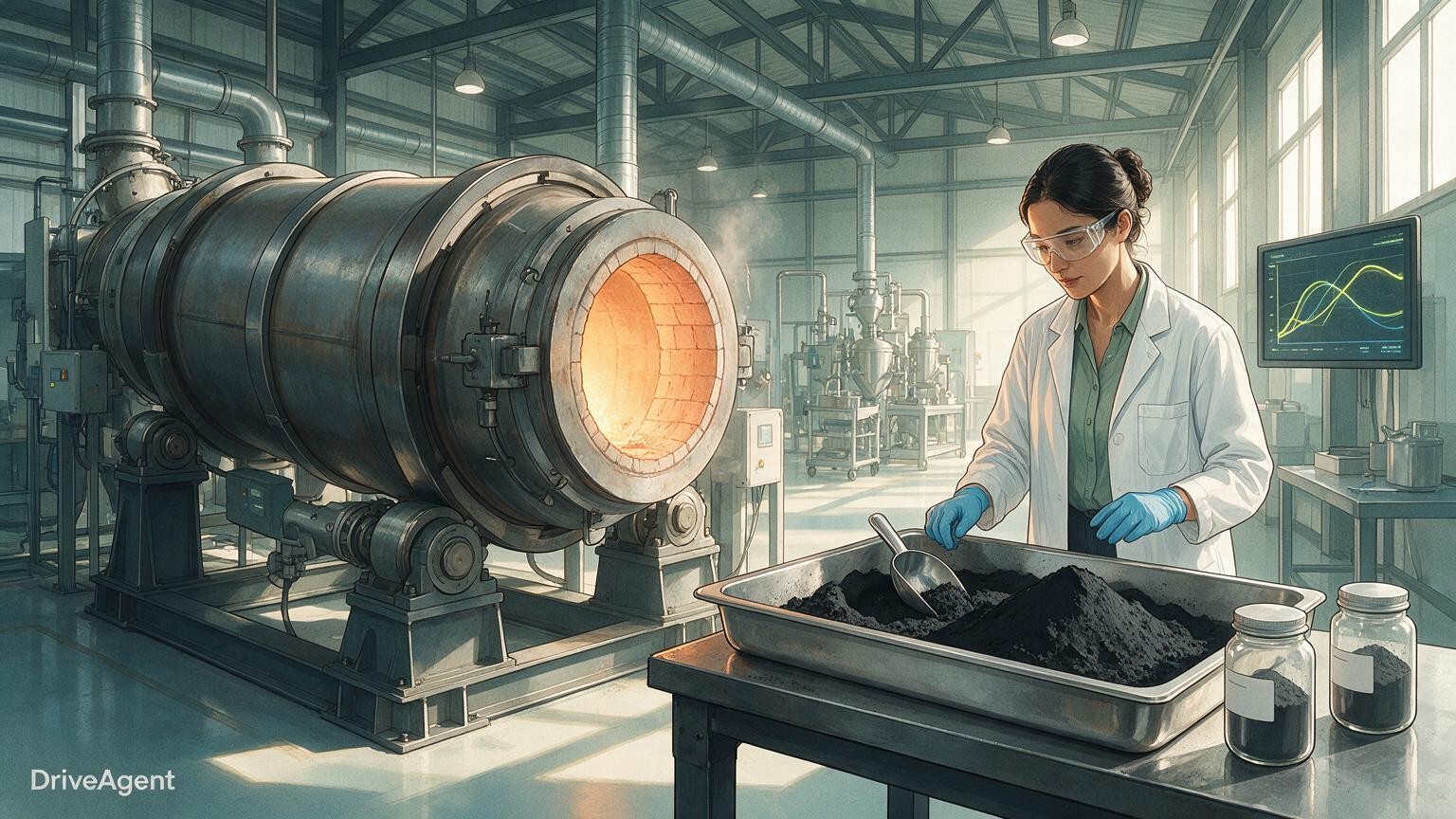
Early operation has already produced scale-up results. Shortly after commissioning, material samples were lifted from a few grams to quantities in the region of 15 kilograms, according to elektro.net, using furnaces that mimic industrial heat treatment at 600°C to 1,000°C, as reported by Automotive World. Elektektro.net also notes that various high-temperature furnaces, including a rotary kiln, allow calcination of battery materials at up to 1,200°C under different gas atmospheres, extending the range of treatable conditions. 12
Three material families on the agenda
Work currently focuses on three cathode families. The first is nickel-manganese-cobalt (NMC), used in high-performance lithium-ion batteries; as Polish outlet EVkurier explains in its coverage, adjusting the ratio of the three metals balances capacity, durability, stability and cost, which in turn affects driving range. The second is lithium iron phosphate (LFP), and the third covers materials for sodium-ion cells, which do not require lithium and suit lower-cost applications. 23
The emphasis on cathodes reflects their role in cell economics. ZSW points out that in lithium-ion cells the cathode is the most expensive and environmentally critical component, and that the cathode largely determines energy density, service life, cost and safety. Because every change to a cathode recipe requires extensive testing, the argument runs, an independent line that can make multi-kilogram batches under realistic conditions removes a bottleneck: industrial manufacturers are typically reluctant to supply large quantities of state-of-the-art materials to universities and research institutes, and then only under strict confidentiality, as ZSW itself stated at the groundbreaking stage. 356
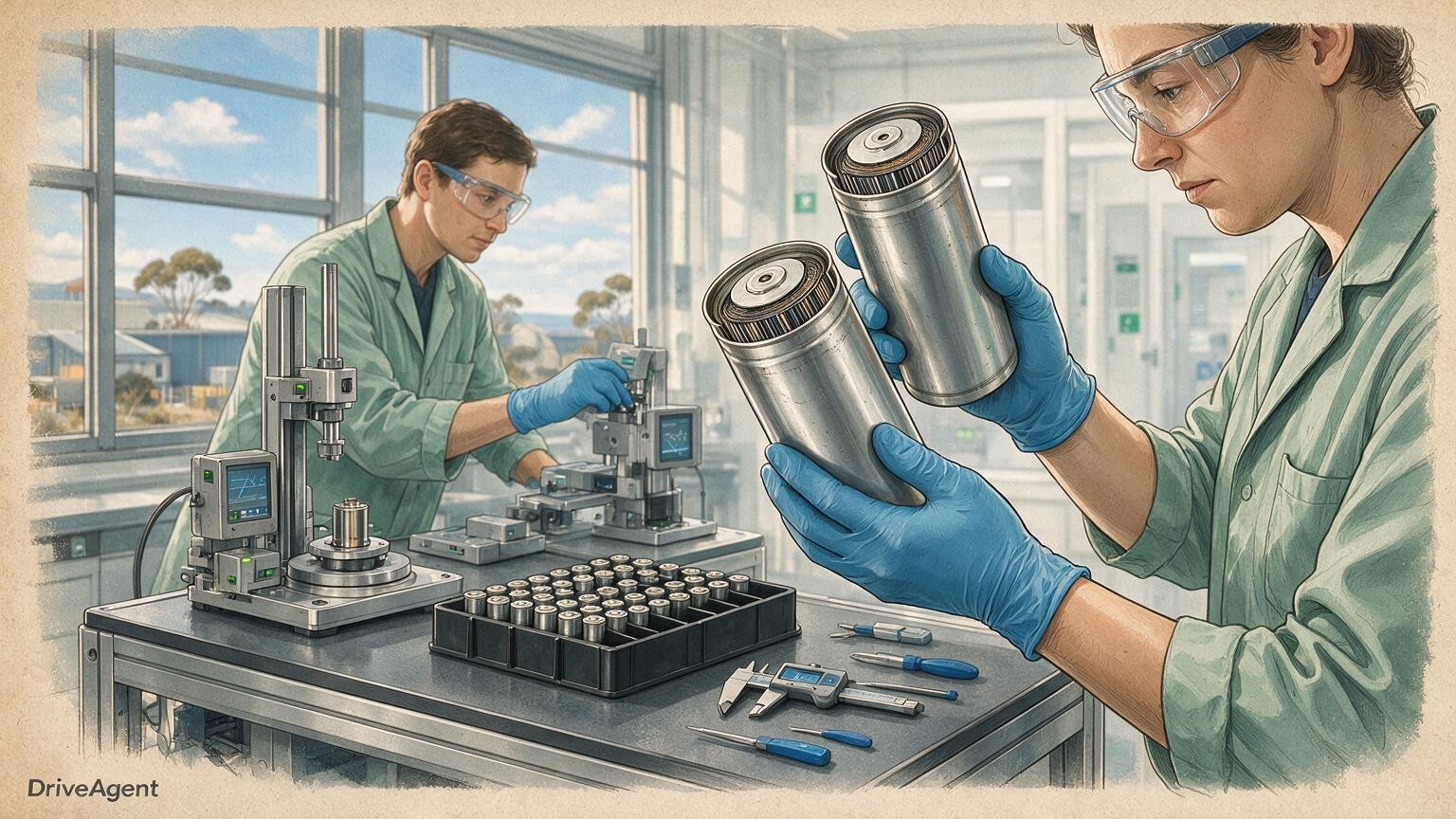
The testing toolkit supporting this work includes scanning electron microscopy and FIB-SEM, EDX analysis, Raman spectroscopy, atomic force microscopy, X-ray fluorescence and X-ray diffraction, with electrochemical tests carried out in coin cells made on site and checked in ZSW's own battery test centre, according to EVkurier's account of the institute's materials. 3
Funding and strategic framing
The plant was built with public money: Baden-Württemberg paid around €10 million (about US$11.2 million) for the building, while the federal government contributed about €24 million (about US$26.9 million) for equipment and infrastructure, figures given in Automotive World's report of the ZSW announcement and also cited by EVkurier. Elektektro.net summarises the combined investment as roughly €34 million across building, infrastructure and plant technology. 132
ZSW board member Professor Markus Hölzle, who heads the Electrochemical Energy Technologies division in Ulm, framed the facility's purpose in the institute's announcement: "Anyone seeking to produce battery cells competitively in Germany and Europe needs access to the best materials," and "With Powder-Up!, companies can validate their own material concepts for industrial use, jointly develop new synthesis processes, or benefit from the digital data platform." He added that ZSW is therefore the national point of contact for developing improved battery materials and gearing them up for mass production. 1
ZSW has consistently positioned the plant as a bridge between research and industrial production rather than a commercial battery factory. Together with the institute's existing facilities, which it says include Europe's largest research platform for industrial-scale production of large lithium-ion cells and a battery safety and test centre, the pilot line forms a largely continuous infrastructure along the battery value chain in Germany, according to elektro.net. 25
What it means for cell development
The practical significance is sequencing. As EVkurier observes, pilot-scale material lines feed the larger industrial projects now under way in the German and European battery sector, since cell factories need validated materials to implement. For manufacturers and research groups, Powder-Up! offers a way to take a material concept from gram-level synthesis to 100-kilogram batches, the quantity ZSW identified as necessary for building large-format cells for electric vehicles, without depending on industrial suppliers' confidentiality terms or their willingness to part with cutting-edge material. 35
For buyers, the connection is indirect but documented in ZSW's own framing: cathode materials drive cell cost, energy density and service life, and cheaper, better cathodes feed into the price and range of electric vehicles. ZSW's stated aim is to shorten the path from research finding to industrial cell production in Germany, explicitly against competition from Asian cell manufacturers. What the full-operation announcement does not cover is which companies have so far used the line or which specific materials will reach production; no customer names or commercial outcomes are given in the available reporting. 437
Development timeline at a glance
Key documented milestones for Powder-Up!: the BMBF funding commitment of around €20 million was made in November 2021, with the development project funded at €19.77 million starting in December 2021 for a two-year run; groundbreaking at Ulm Science Park took place on 18 November 2022; ZSW originally targeted operation by December 2023; commissioning occurred in March 2025; and the institute announced full operation on 27 October 2026. 4561
AI evidence finder
Ask about this article
Ask a question to find relevant published passages and source links. AI selects evidence; the passages remain exactly as published.
Behind this report
Sources & context
Cited source mix
7 cited pages across 5 websites
- Role not assessed 7
Website breakdown
- zsw-bw.de3 pages
- automotiveworld.com1 page
- elektro.net1 page
- evkurier.pl1 page
- finanznachrichten.de1 page
7 cited pages with an undocumented publisher role. Websites may share ownership or repeat the same reporting.
Saved research extracts
7 / 7 cited pages with saved extracts
0 shortened at our text limit · 0 without a saved-extract record
Extracts retrieved 28 Oct 2026.
Extracts can omit page content. These counts do not verify claims or measure independent reporting. Political leaning and reliability are not rated.
- German cathode pilot line scales battery materials to 100kg batchesRole not assessedSource extract saved
Why these labels?German cathode pilot line scales battery materials to 100kg batches
Who produced it
We have not documented this publisher’s role. An unassigned label is not a negative rating.
How this report uses it
Cited in 6 paragraphs: Full operation confirmed in Ulm; What the line can do; Funding and strategic framing; Development timeline at a glance.
This describes its use in our report. It does not establish the source’s editorial stance or independently corroborate every claim.
Evidence record
Text retrieved 28 Oct 2026. The retained extract did not reach our text limit. Extraction can still omit page content.
- Batteriematerialien schneller skalieren - elektro.netRole not assessedSource extract saved
Why these labels?Batteriematerialien schneller skalieren - elektro.net
Who produced it
We have not documented this publisher’s role. An unassigned label is not a negative rating.
How this report uses it
Cited in 5 paragraphs: What the line can do; Three material families on the agenda; Funding and strategic framing.
This describes its use in our report. It does not establish the source’s editorial stance or independently corroborate every claim.
Evidence record
Text retrieved 28 Oct 2026. The retained extract did not reach our text limit. Extraction can still omit page content.
- Materiały katodowe: ZSW uruchomił linię Powder-Up!Role not assessedSource extract saved
Why these labels?Materiały katodowe: ZSW uruchomił linię Powder-Up!
Who produced it
We have not documented this publisher’s role. An unassigned label is not a negative rating.
How this report uses it
Cited in 8 paragraphs: Full operation confirmed in Ulm; What the line can do; Three material families on the agenda; Funding and strategic framing; What it means for cell development.
This describes its use in our report. It does not establish the source’s editorial stance or independently corroborate every claim.
Evidence record
Text retrieved 28 Oct 2026. The retained extract did not reach our text limit. Extraction can still omit page content.
- www.zsw-bw.de · en · newsroom// Powder-Up!: ZSW Scales Up New Battery Material Manufacturing -...Role not assessedSource extract saved
Why these labels?www.zsw-bw.de · en · newsroom// Powder-Up!: ZSW Scales Up New Battery Material Manufacturing -...
Who produced it
We have not documented this publisher’s role. An unassigned label is not a negative rating.
How this report uses it
Cited in 4 paragraphs: Full operation confirmed in Ulm; What the line can do; What it means for cell development; Development timeline at a glance.
This describes its use in our report. It does not establish the source’s editorial stance or independently corroborate every claim.
Evidence record
Text retrieved 28 Oct 2026. The retained extract did not reach our text limit. Extraction can still omit page content.
- New Pilot Plant for Battery Materials Takes Shape at ZSWRole not assessedSource extract saved
Why these labels?New Pilot Plant for Battery Materials Takes Shape at ZSW
Who produced it
We have not documented this publisher’s role. An unassigned label is not a negative rating.
How this report uses it
Cited in 6 paragraphs: Full operation confirmed in Ulm; What the line can do; Three material families on the agenda; Funding and strategic framing; What it means for cell development; Development timeline at a glance.
This describes its use in our report. It does not establish the source’s editorial stance or independently corroborate every claim.
Evidence record
Text retrieved 28 Oct 2026. The retained extract did not reach our text limit. Extraction can still omit page content.
- Neue Pilotanlage für Batteriematerialien am ZSW nimmt Gestalt anRole not assessedSource extract saved
Why these labels?Neue Pilotanlage für Batteriematerialien am ZSW nimmt Gestalt an
Who produced it
We have not documented this publisher’s role. An unassigned label is not a negative rating.
How this report uses it
Cited in 3 paragraphs: Full operation confirmed in Ulm; Three material families on the agenda; Development timeline at a glance.
This describes its use in our report. It does not establish the source’s editorial stance or independently corroborate every claim.
Evidence record
Text retrieved 28 Oct 2026. The retained extract did not reach our text limit. Extraction can still omit page content.
- ZSW: Pilotlinie für neue Batteriematerialien geht in den VollbetriebRole not assessedSource extract saved
Why these labels?ZSW: Pilotlinie für neue Batteriematerialien geht in den Vollbetrieb
Who produced it
We have not documented this publisher’s role. An unassigned label is not a negative rating.
How this report uses it
Cited in 2 paragraphs: Full operation confirmed in Ulm; What it means for cell development.
This describes its use in our report. It does not establish the source’s editorial stance or independently corroborate every claim.
Evidence record
Text retrieved 28 Oct 2026. The retained extract did not reach our text limit. Extraction can still omit page content.
Keep reading
Related subjects and more from this section.
Rivian and Redwood Materials expand battery partnership to cover factory scrap, recycling and second-life storage
Rivian and Redwood Materials have broadened their US battery partnership so a single contractor now recycles production scrap from Rivian's lines, collects retired packs nationwide and redeploys usable ones as stationary storage, building on the 10MWh system at the Normal, Illinois plant announced in April 2026.