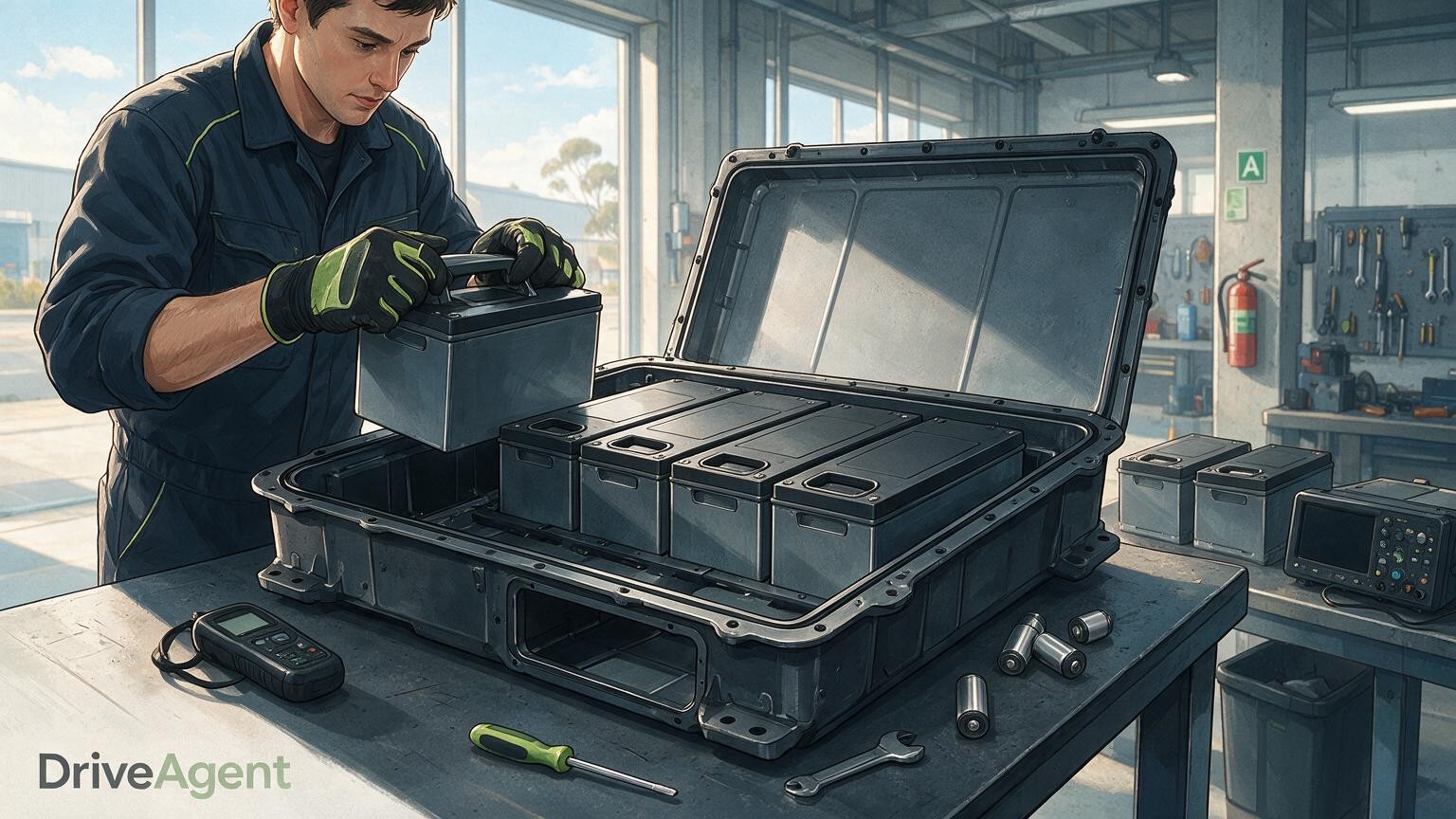
Anker Solix XE dual-cycle home battery: Australian and UK configurations differ on solar input and backup hardware
Anker Solix markets the XE as a dual-cycle, all-in-one home battery with LiFePO4 modules stacking to 28kWh, but the company's own Australian and UK product pages list different solar input, output and backup specifications, and one Australian figure conflicts within the same page.
Synthesised from the cited sources. Research, writing and factual checks are automated using AI. Verify details against the sources. How we produce these reports
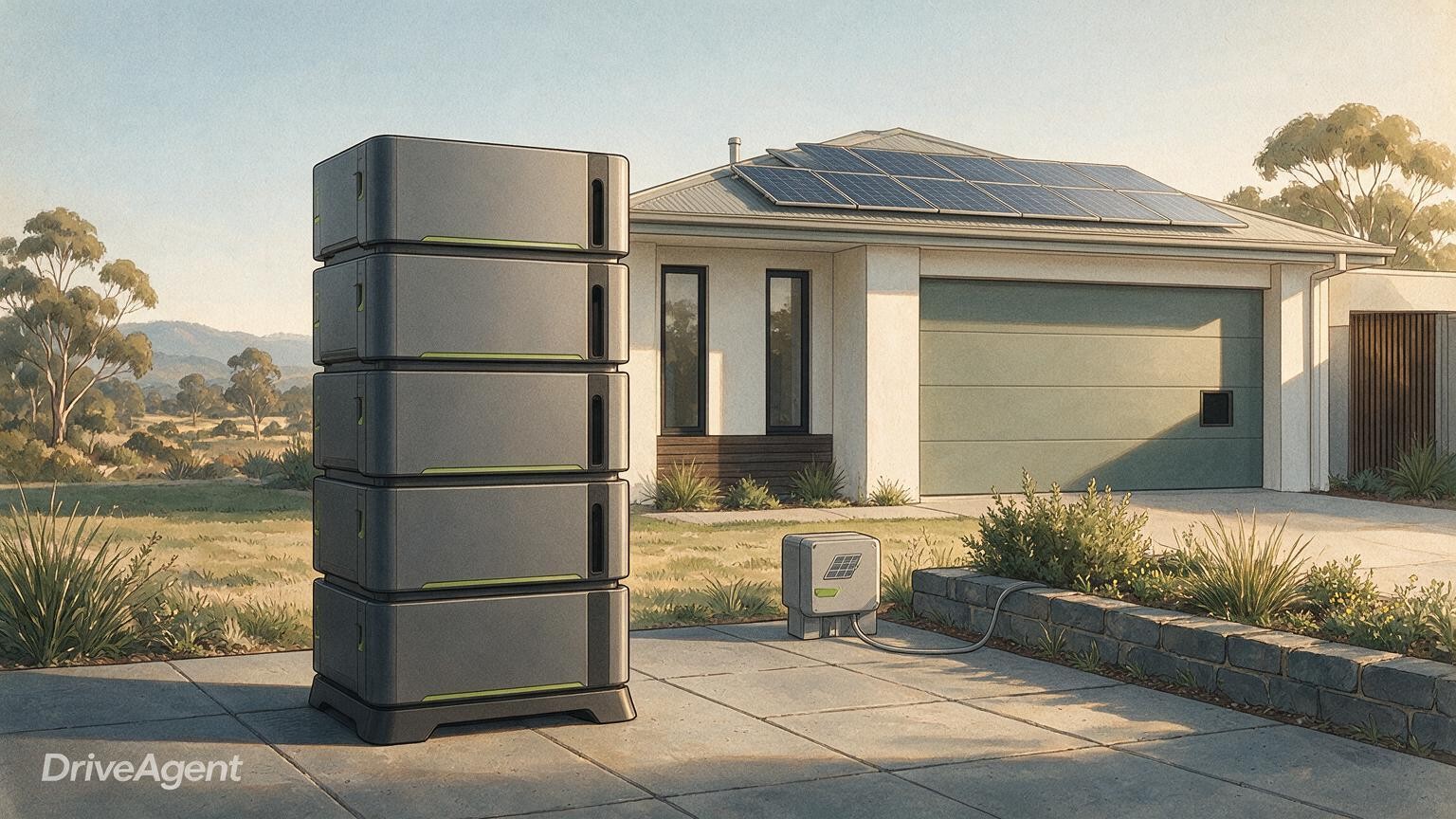
A dual-cycle battery announced for the UK, marketed in Australia
Anker Solix presented the XE home battery with a 5000W bidirectional inverter and a dual daily cycle in June 2026, positioning it as an accessible energy-management product aimed at lowering electricity bills, according to auto-innovations. The company describes the XE as a next-generation, true all-in-one home energy storage system whose defining feature is support for up to two charge-and-discharge cycles per day, where Anker says most home batteries complete only one. 3
On Anker Solix's Australian product page, the XE is built around the Solar Sharer Offer, an Australian program under which households can access midday electricity. The page says the system stores free midday electricity and lower-cost overnight energy to maximise savings, with cable-free module stacking and whole-home backup via the Anker SOLIX Power Dock Mini. The UK page instead frames the same dual-cycle capability around dynamic tariffs such as Octopus, so the two markets are positioned differently by the company itself. 21
Battery architecture and cycle-life claims
The battery chemistry is lithium iron phosphate (LiFePO4), built on 314Ah battery cells with advanced thermal management, according to the Australian page. Anker rates the system for up to 10,000 cycles and backs it with a 10-year warranty, and separately cites a 15-year design lifespan. Each module has a rated capacity of 7kWh, and the full 28kWh system stands 1.3 metres tall. 2
The architecture is described on both the Australian and UK pages as a true unibody all-in-one that integrates the inverter and battery in one compact frame, with cable-free, plug-and-stack modules, quick-connect wiring, a built-in levelling base and integrated cable management. The base module measures 670 × 356 × 325 mm, weighs 76.5 kg, and Anker says commissioning takes as little as three minutes, excluding over-the-air updates. 21
A specification conflict on the Australian page
The Australian page's highlights claim three MPPTs supporting three to 33 solar panels and up to 30kW of solar input, with an MPPT voltage range of 30–550V and a maximum PV input voltage of 600V. However, the same page's specification table lists a maximum PV input power of just 1,500W. Anker has not explained this contradiction, and prospective buyers should treat the solar-input figure as unresolved until the company clarifies it. 2
Other grid-side figures on the Australian page are internally consistent: a rated output of 4.99kW (4.99kVA maximum apparent power), 10-second peak output of 7,499W and 1-second peak output of 9,999W, 230V AC single-phase at 50Hz, and a maximum continuous input current of 23.9A AC. The UK page lists a slightly different configuration: 15kW of maximum solar input, a 5kW rated output, 7,500W and 10,000W peak outputs, and a maximum continuous current of 22.7A AC. The two market versions should be treated as distinct configurations rather than assumed to be identical hardware. 21
Backup hardware differs between markets
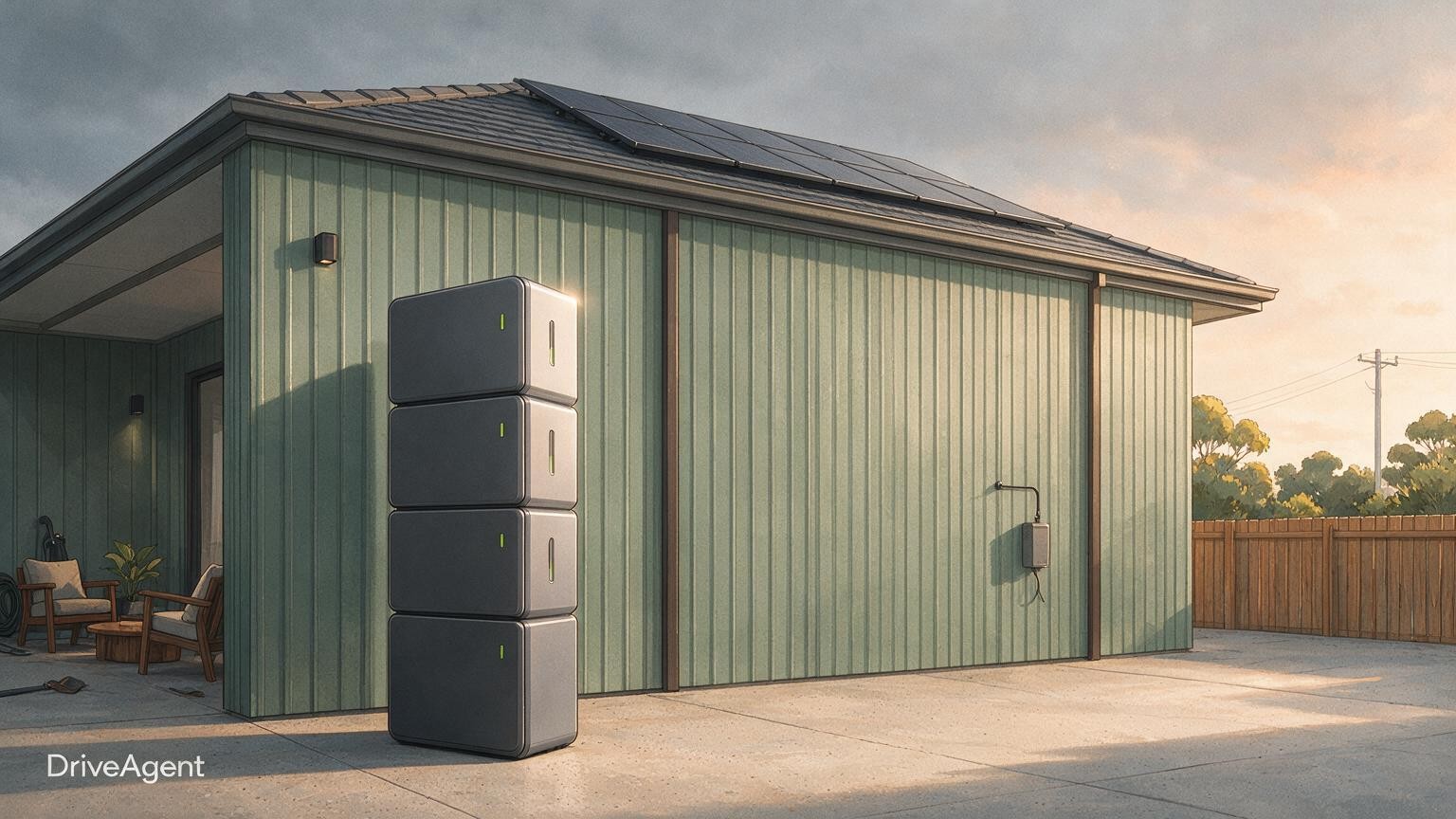
For outages, the Australian XE offers what Anker calls whole-home backup 2.0 via the Anker SOLIX Power Dock Mini, which the company says keeps the entire home powered rather than forcing a choice of circuits, and allows existing solar panels to keep charging the battery during an outage without rewiring. 2
The UK version takes a different approach: an ultra-compact Backup Auto-Switch delivering dual 63A/100A support, up to 16kW of backup power and a claimed 0 ms load-side switchover, according to the Anker Solix UK product page. Whether that switch hardware is offered in Australia is not stated on the Australian page, which points buyers to the Power Dock Mini instead. 12
Rebates, VPPs and savings claims are estimates
Anker states that eligible 28kWh systems in Australia can claim up to A$6,080 in battery rebates, and that the XE is compatible with more than 10 virtual power plant providers, unlocking onboarding incentives and ongoing participation rewards. Both figures are presented as estimates: the company notes that rebate amounts vary by state or territory, system eligibility, installer participation and installation date, and that VPP earnings vary by battery size, provider, location and market conditions, and are not guaranteed. 2
The headline claim of saving more than A$4,100 a year is also an Anker estimate, based on 15kWh of daily electricity supplied through the Solar Sharer Offer at an average residential rate of $0.39/kWh, compared against a representative single-cycle battery profile under similar conditions. Anker explicitly flags that actual savings vary with electricity usage, tariffs, retailer, location, solar generation and offer eligibility. Neither the Australian nor the UK page states a price for the XE. 21
Durability, protection and the software layer
Both market versions carry C5-M anti-corrosion and IP66 ingress-protection ratings, an operating range of -20°C to 55°C, seven layers of battery protection with active fire protection, and integrated thermal management that Anker says is engineered for coastal salt air, extreme heat and heavy daily cycling. Communication is via WLAN or RS485. 21
On the software side, the XE runs an AI-powered energy management system that Anker says forecasts solar generation and household demand, charges when rates are low and deploys power when prices are high. The Anka AI agent provides data-backed insights on generation, battery status, usage and savings, and can build a strategy around lower bills, a larger backup reserve or greater solar self-use. The UK page cites access to real-time pricing from more than 870 dynamic tariff providers including Octopus, plus Home Assistant, Alexa+ and Homey integration, with Alexa+ and Homey support marked as coming soon. The Australian page lists Home Assistant integration only. 12
AI evidence finder
Ask about this article
Ask a question to find relevant published passages and source links. AI selects evidence; the passages remain exactly as published.
Behind this report
Sources & context
Cited source mix
3 cited pages across 2 websites
- Role not assessed 3
Website breakdown
- ankersolix.com2 pages
- auto-innovations.net1 page
3 cited pages with an undocumented publisher role. Websites may share ownership or repeat the same reporting.
Saved research extracts
3 / 3 cited pages with saved extracts
0 shortened at our text limit · 0 without a saved-extract record
Extracts retrieved 29 Oct 2026.
Extracts can omit page content. These counts do not verify claims or measure independent reporting. Political leaning and reliability are not rated.
- Anker SOLIX XERole not assessedSource extract saved
Why these labels?Anker SOLIX XE
Who produced it
We have not documented this publisher’s role. An unassigned label is not a negative rating.
How this report uses it
Cited in 7 paragraphs: A dual-cycle battery announced for the UK, marketed in Australia; Battery architecture and cycle-life claims; A specification conflict on the Australian page; Backup hardware differs between markets; Rebates, VPPs and savings claims are estimates; Durability, protection and the software layer.
This describes its use in our report. It does not establish the source’s editorial stance or independently corroborate every claim.
Evidence record
Text retrieved 29 Oct 2026. The retained extract did not reach our text limit. Extraction can still omit page content.
- Anker SOLIX XE: Dual-Cycle Home Battery | Extreme SavingsRole not assessedSource extract saved
Why these labels?Anker SOLIX XE: Dual-Cycle Home Battery | Extreme Savings
Who produced it
We have not documented this publisher’s role. An unassigned label is not a negative rating.
How this report uses it
Cited in 11 paragraphs: A dual-cycle battery announced for the UK, marketed in Australia; Battery architecture and cycle-life claims; A specification conflict on the Australian page; Backup hardware differs between markets; Rebates, VPPs and savings claims are estimates; Durability, protection and the software layer.
This describes its use in our report. It does not establish the source’s editorial stance or independently corroborate every claim.
Evidence record
Text retrieved 29 Oct 2026. The retained extract did not reach our text limit. Extraction can still omit page content.
- CompaniesRole not assessedSource extract saved
Why these labels?Companies
Who produced it
We have not documented this publisher’s role. An unassigned label is not a negative rating.
How this report uses it
Cited in 1 paragraph: A dual-cycle battery announced for the UK, marketed in Australia.
This describes its use in our report. It does not establish the source’s editorial stance or independently corroborate every claim.
Evidence record
Text retrieved 29 Oct 2026. The retained extract did not reach our text limit. Extraction can still omit page content.
Keep reading
Related subjects and more from this section.

Ford says US-bound Fathom EV will integrate home backup inverter, cutting bidirectional power costs
Ford has outlined a bidirectional charging system for its upcoming sub-US$30,000 Fathom electric pickup that puts the inverter inside the truck, removing the costly external equipment its discontinued F-150 Lightning required. The details apply to the US market; no Australian availability has been announced.