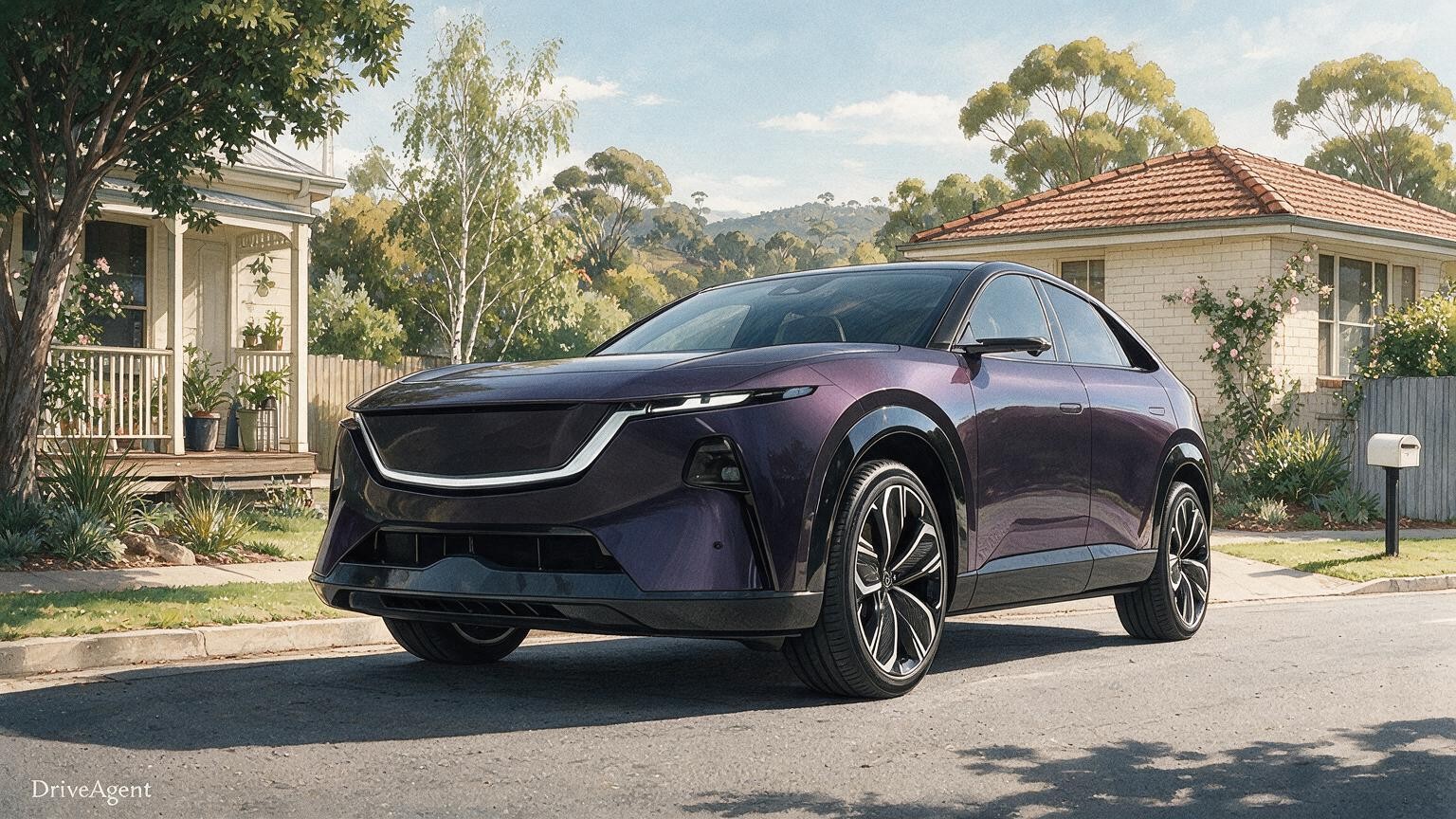
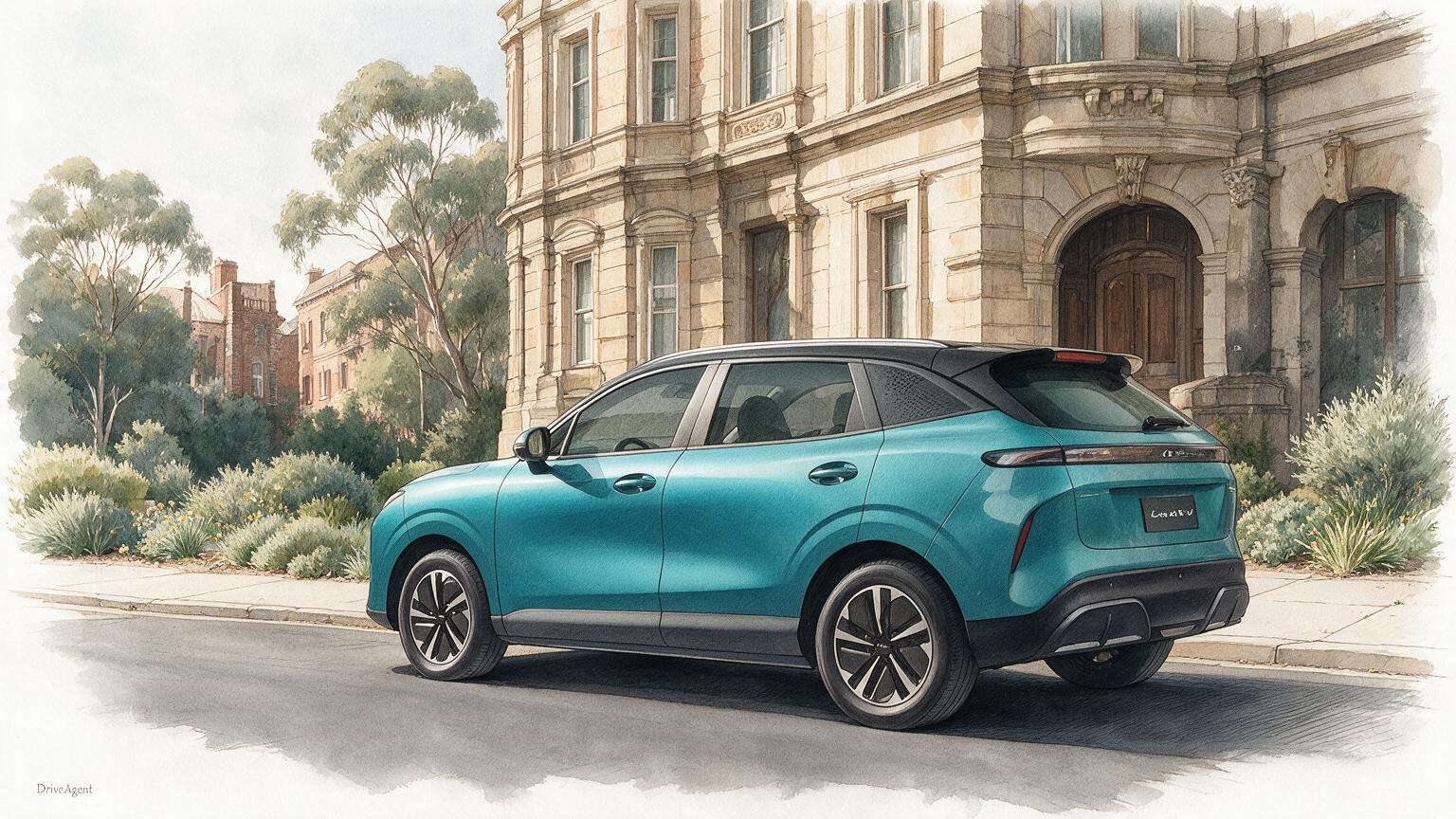
Australia's electric vehicle surge: one in four new cars now battery-powered as challenges mount
Battery electric vehicles have jumped from a 10 per cent share of Australia's new-car market in August 2025 to 25 per cent, according to The Sydney Morning Herald, with fuel prices, cheaper Chinese models and expanding choice driving a transition that industry figures describe as a tipping point. Charging capacity, servicing networks and road-tax reform are emerging as the critical tests.
Automatically researched, written and checked using AI. Verify details against the sources.
A decisive turn in the sales figures
The pace of Australia's shift to electric cars has changed decisively in the past year. Reporting by The Sydney Morning Herald shows fully electric models held a 10 per cent share of new-vehicle sales in August 2025, but reached 25 per cent last month, while pure petrol and diesel models dropped from 69 per cent to less than half the market over the same period. Cox Automotive analyst Mike Costello told the masthead that "tipping point is probably a good word for it", calling it "an enormous change in a very short amount of time". 1
Earlier 2026 data tracks the same trajectory. The Conversation reports that battery EVs surged to 23.4 per cent of the new-car market in the first half of 2026, up from 8.4 per cent in January, with combined figures from the Electric Vehicle Council and the Federal Chamber of Automotive Industries showing more than a fifth of the 108,000-plus new cars sold in July were battery-powered. The Driven, via ev-finder.com.au, recorded June as the biggest month on record, with EVs hitting 20 per cent market share as Tesla topped the charts. 42
The Electric Vehicle Council's State of EVs 2026 report, launched by Federal Climate Change and Energy Minister Chris Bowen, describes Australians switching to EVs in record numbers, with the council summarising the pace as an EV bought every 100 seconds. It attributes the shift to cost-of-living pressure, soaring fuel prices and a wave of more affordable models and greater choice. 6
Fuel prices and cheaper models are the driving forces
The economics are central to the boom. The Sydney Morning Herald reports that with the Middle East war choking crude oil supplies and pushing up global fuel prices, Australians switching to EVs could save $3000 on fuel this year under industry estimates, while lower-cost Chinese models have brought EV prices to parity with combustion vehicles. Commonwealth Bank's own analysis, published on its newsroom, found fuel prices were the earliest and clearest way the conflict was hitting household budgets, and its lending data showed a 161 per cent jump in demand for EV finance in March compared with February. 15
Choice has also widened considerably. Commonwealth Bank notes the federal government's National Electric Vehicle Strategy update recorded 153 EV models available by June 2025, up from 104 in 2023-24, including 26 models priced below $50,000 and 55 below $60,000. The bank's analysis found Chinese brands accounted for 58 per cent of Australia's EV market in the first half of 2026, up from 35 per cent a year earlier, with sustainable economist John Oh stating that Chinese brands are now dominant suppliers of EVs in Australia. 5
BloombergNEF projections reported by AFMA put total EV sales, including plug-in hybrids, at approximately 158,000 units in 2025, up from around 114,000 in 2024. BNEF forecasts PHEV sales will peak in 2026 at just over 78,000 units, after which overall EV sales are expected to grow by more than 100,000 vehicles annually, potentially exceeding half a million registrations by 2029 and around 640,961 by 2030. The projection is a forecast, not a record of realised sales. 3
Public charging is the pressure point
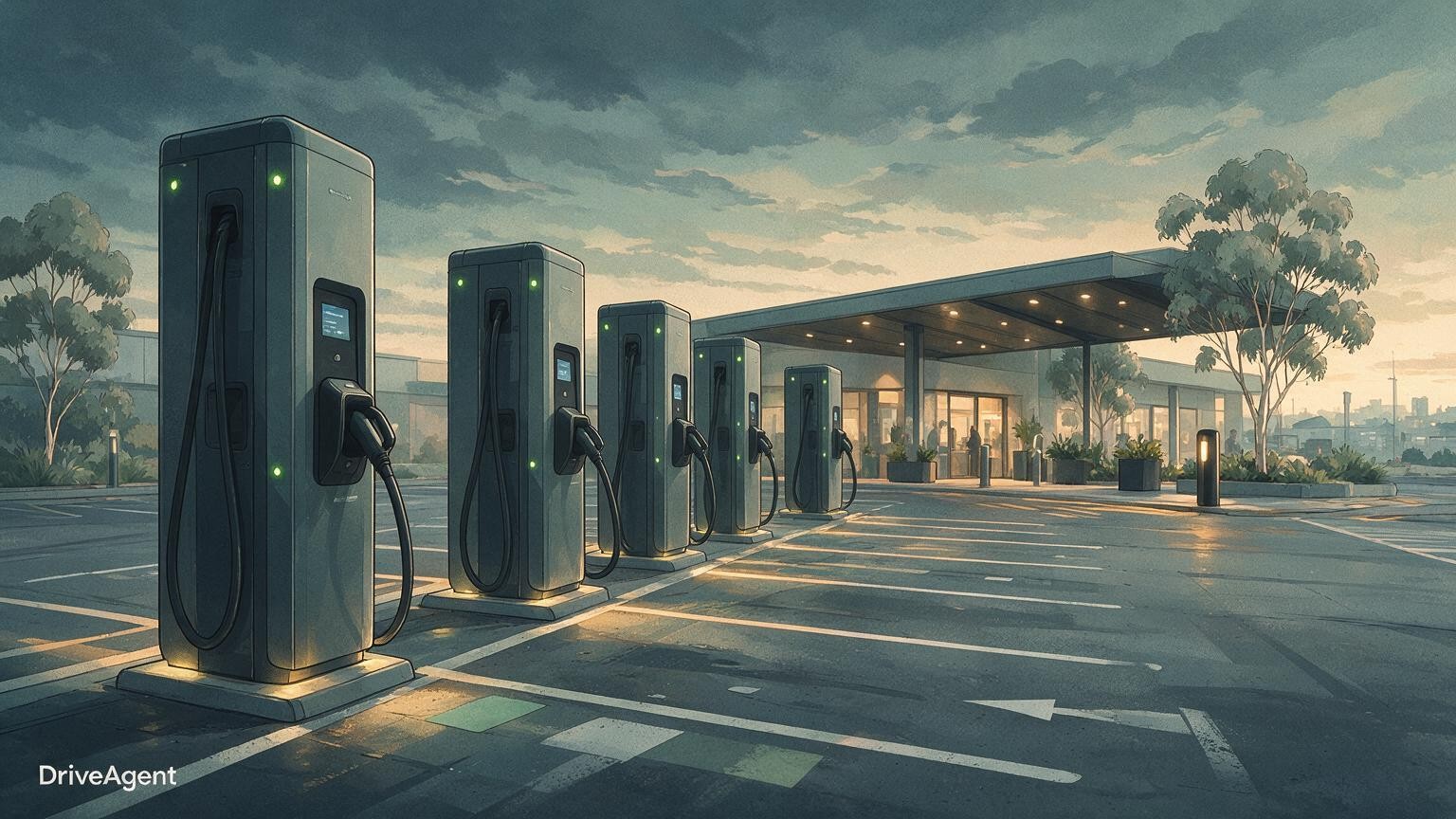
Charging capacity is emerging as the transition's biggest test. The Sydney Morning Herald reports Australia currently has more than 1300 public charging sites with more than 4000 individual ports, and data from EV analytics firm Carloop shows NSW had 515 fast-charging sites as of last month, with Victoria on 396. But Carloop founder Riz Akhter told the masthead that drivers are switching "faster than ever" and "public fast-charging infrastructure is failing to keep up. That's going to be the biggest challenge". 1
The Conversation's analysis of the network warns Australia's charging infrastructure may soon fail to keep up with the booming EV market. It notes commercial investment is expanding rapidly: Coles is partnering with Evie Networks to install 200-kilowatt fast chargers at up to 30 supermarkets in Victoria and Queensland over the next two years, Ampol has switched on its first 400-kilowatt chargers, BP is building a 24-bay charging hub at Melbourne Airport, and the NRMA built 35 new highway sites in 2025 with nearly A$40 million in federal funding. 4
Reliability is a separate concern. The Conversation reports Chargefox, the country's largest network, owns very little of its hardware and controls 83 per cent of Tasmania's public chargers and 58 per cent of those in Western Australia, so one operator's outage can become state-wide. In WA, the Royal Automobile Club's decade-old Electric Highway project, with 16 locations, was quietly wound up last year and handed to councils, some of which have decommissioned broken units rather than repair them. The researchers recommend extending the existing federal 98 per cent uptime standard for taxpayer-funded chargers to privately funded ones and linking funding to performance. 4
Servicing, parts and a crowded field
Beyond the bowser, the Herald highlights mounting questions about after-sales support. Motor Trades Association of Australia executive director Bruce Billson says ease of repairs will become a growing problem, warning that some newer entrants "probably won't reach critical mass and they won't all survive", and urging manufacturers to make parts and repair information accessible to independent mechanics. Australia already has a shortfall of roughly 38,000 mechanics, according to Billson, compounded by the additional training electrified vehicles require. 1
The competitive pressure is intense. The Herald reports more than 20 new brands have entered Australia over the past decade and Cox Automotive's Costello estimates there will be about 80 brands competing for the same pool of roughly 1.2 million annual vehicle sales by this time next year. BYD acknowledges some customers have been unsatisfied with after-sales service and part delays, but says it is investing heavily and is on track to have 150 dealerships in Australia by the end of the year, with parts warehouses in four major cities. Legacy makers are countering on service: BMW Group Australia chief executive Vikram Pawah points to a $120 million investment in a local parts stockpile spanning 28,000 square metres of warehousing. 1
Fuel excise, road-user charges and the road ahead
How governments replace lost fuel excise is unresolved. The Sydney Morning Herald reports Victoria's road-user charge was ruled unconstitutional by the High Court in 2023, while NSW expects a distance-based charge by next July, proposing 2.97 cents per kilometre for fully electric vehicles and 2.38 cents for plug-in hybrids. This week the Australian Electric Vehicle Association proposed an alternative of 3 cents per tonne-kilometre, factoring in vehicle weight and distance, which would see heavier EVs and large combustion utes and SUVs pay more. Ford Australia chief executive Fadi Mawal told the masthead he expects a road-user charge will have an impact on EV sales, while BMW's Pawah wants a "level playing field" levy. 1
Analysts flag further uncertainties. AFMA's report on the BloombergNEF outlook notes it remains unclear how plug-in hybrids and traditional hybrids will be treated under Australia's New Vehicle Efficiency Standard, which came into effect in mid-2025 and has already influenced buying patterns, and that faster growth depends on continued charging expansion, competitive pricing and consumer confidence in range and resale. Commonwealth Bank adds that the New Vehicle Efficiency Standard regulator estimates about 70 per cent of Australians buy their cars second-hand, meaning today's new-car mix will shape the used market later. 35
AI evidence finder
Ask about this article
Ask a question to find relevant published passages and source links. AI selects evidence; the passages remain exactly as published.
Behind this report
Sources & context
Cited source mix
6 cited pages across 6 websites
- Role not assessed 6
Website breakdown
- afma.org.au1 page
- commbank.com.au1 page
- ev-finder.com.au1 page
- miragenews.com1 page
- smh.com.au1 page
- theconversation.com1 page
6 cited pages with an undocumented publisher role. Websites may share ownership or repeat the same reporting.
Saved research extracts
6 / 6 cited pages with saved extracts
0 shortened at our text limit · 0 without a saved-extract record
Extracts retrieved 29 Sep 2026.
Extracts can omit page content. These counts do not verify claims or measure independent reporting. Political leaning and reliability are not rated.
- EVs are taking over as Australians flee the bowser. What happens next?Role not assessedSource extract saved
Why these labels?EVs are taking over as Australians flee the bowser. What happens next?
Who produced it
We have not documented this publisher’s role. An unassigned label is not a negative rating.
How this report uses it
Cited in 6 paragraphs: A decisive turn in the sales figures; Fuel prices and cheaper models are the driving forces; Public charging is the pressure point; Servicing, parts and a crowded field; Fuel excise, road-user charges and the road ahead.
This describes its use in our report. It does not establish the source’s editorial stance or independently corroborate every claim.
Evidence record
Text retrieved 29 Sep 2026. The retained extract did not reach our text limit. Extraction can still omit page content.
- EV News — Electra | Australia's EV Search Engine - ev-finder.com.auRole not assessedSource extract saved
Why these labels?EV News — Electra | Australia's EV Search Engine - ev-finder.com.au
Who produced it
We have not documented this publisher’s role. An unassigned label is not a negative rating.
How this report uses it
Cited in 1 paragraph: A decisive turn in the sales figures.
This describes its use in our report. It does not establish the source’s editorial stance or independently corroborate every claim.
Evidence record
Text retrieved 29 Sep 2026. The retained extract did not reach our text limit. Extraction can still omit page content.
- Electric vehicle sales in Australia projected to grow six ...Role not assessedSource extract saved
Why these labels?Electric vehicle sales in Australia projected to grow six ...
Who produced it
We have not documented this publisher’s role. An unassigned label is not a negative rating.
How this report uses it
Cited in 2 paragraphs: Fuel prices and cheaper models are the driving forces; Fuel excise, road-user charges and the road ahead.
This describes its use in our report. It does not establish the source’s editorial stance or independently corroborate every claim.
Evidence record
Text retrieved 29 Sep 2026. The retained extract did not reach our text limit. Extraction can still omit page content.
- Australia's EV sales are skyrocketing. Our charging infrastructure may soon struggle to keep upRole not assessedSource extract saved
Why these labels?Australia's EV sales are skyrocketing. Our charging infrastructure may soon struggle to keep up
Who produced it
We have not documented this publisher’s role. An unassigned label is not a negative rating.
How this report uses it
Cited in 3 paragraphs: A decisive turn in the sales figures; Public charging is the pressure point.
This describes its use in our report. It does not establish the source’s editorial stance or independently corroborate every claim.
Evidence record
Text retrieved 29 Sep 2026. The retained extract did not reach our text limit. Extraction can still omit page content.
- Have EVs have reached a tipping point in Australia? Here’s 8 things you need to knowRole not assessedSource extract saved
Why these labels?Have EVs have reached a tipping point in Australia? Here’s 8 things you need to know
Who produced it
We have not documented this publisher’s role. An unassigned label is not a negative rating.
How this report uses it
Cited in 3 paragraphs: Fuel prices and cheaper models are the driving forces; Fuel excise, road-user charges and the road ahead.
This describes its use in our report. It does not establish the source’s editorial stance or independently corroborate every claim.
Evidence record
Text retrieved 29 Sep 2026. The retained extract did not reach our text limit. Extraction can still omit page content.
- State Of EVs 2026Role not assessedSource extract saved
Why these labels?State Of EVs 2026
Who produced it
We have not documented this publisher’s role. An unassigned label is not a negative rating.
How this report uses it
Cited in 1 paragraph: A decisive turn in the sales figures.
This describes its use in our report. It does not establish the source’s editorial stance or independently corroborate every claim.
Evidence record
Text retrieved 29 Sep 2026. The retained extract did not reach our text limit. Extraction can still omit page content.
Keep reading
Related subjects and more from this section.
Electric Vehicle Council launches State of EVs 2026 as Australia passes 500,000 battery electric vehicles
The Electric Vehicle Council's State of EVs 2026 report, launched by Climate Change and Energy Minister Chris Bowen, says Australians are buying EVs in record numbers, weeks after the Council confirmed the national battery electric fleet had passed half a million vehicles.